
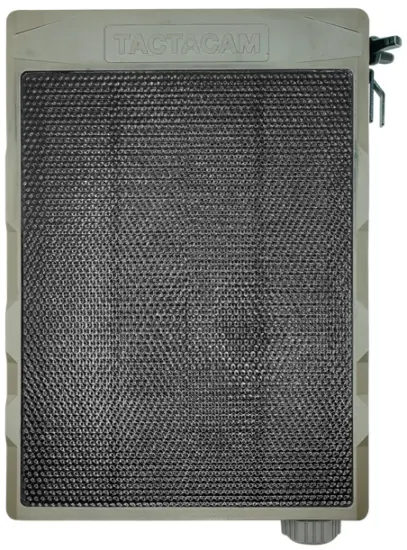
Why Is My Tactacam Solar Panel Not Charging?
Tactacam solar panels are designed to provide a convenient and eco-friendly way to keep your camera powered during outdoor adventures. However, there are times when users encounter issues with their solar panels not charging. Understanding the reasons behind this problem is crucial for anyone relying on Tactacam products for wildlife photography, hunting, or outdoor surveillance. This article aims to address the common reasons why your Tactacam solar panel may not be charging and what you can do to troubleshoot the issue.
Understanding the Importance of Solar Charging
Solar charging is essential for maintaining the functionality of your Tactacam camera, especially in remote locations where traditional power sources are unavailable. A fully charged solar panel ensures your camera remains operational, allowing you to capture those critical moments without interruption.
Primary Reasons for Charging Issues
When your Tactacam solar panel fails to charge, it can be frustrating. Here are some primary reasons why this might occur:
1. Insufficient Sunlight Exposure
- Solar panels require direct sunlight to generate power. If your panel is shaded by trees, buildings, or other obstructions, it may not receive enough sunlight.
- Cloudy weather can also reduce the efficiency of solar charging.
2. Dirty or Obstructed Solar Panel Surface
- Dust, dirt, or debris on the solar panel can block sunlight and hinder charging efficiency.
- Regular cleaning is necessary to maintain optimal performance.
3. Faulty Connections
- Check the connections between the solar panel and the Tactacam camera. Loose or damaged cables can prevent proper charging.
- Inspect the connectors for any signs of wear or corrosion.
4. Battery Issues
- The internal battery of your Tactacam may be faulty or worn out, affecting its ability to hold a charge.
- Consider replacing the battery if it has been in use for an extended period.
5. Temperature Extremes
- Extreme temperatures can affect solar panel efficiency. Very hot or cold conditions may reduce charging capability.
- Ensure your solar panel is placed in a temperature-controlled environment when possible.
6. Solar Panel Malfunction
- Like any electronic device, solar panels can malfunction. If you suspect a defect, consult the manufacturer or retailer.
- Check for any visible damage to the panel itself.
Troubleshooting Steps
If your Tactacam solar panel is not charging, follow these troubleshooting steps:
- Inspect the location of the solar panel to ensure it receives adequate sunlight.
- Clean the surface of the solar panel with a soft cloth to remove any dirt or debris.
- Check all connections and cables for any signs of damage or looseness.
- Test the internal battery to see if it needs replacement.
- Monitor the temperature conditions to ensure they are within an acceptable range.
- If all else fails, contact Tactacam customer support for further assistance.
Who Should Be Concerned?
This information is relevant for outdoor enthusiasts, wildlife photographers, and hunters who utilize Tactacam products. Understanding the potential issues with solar charging can help you avoid missed opportunities and ensure your equipment is always ready for action. Whether you’re in the U.S. or elsewhere, knowing how to troubleshoot your Tactacam solar panel can save you time and frustration in the field.
Understanding Why Your Tactacam Solar Panel Is Not Charging
Solar panels are an essential component of Tactacam cameras, providing a renewable energy source that allows you to capture images and videos without worrying about battery life. However, if your solar panel is not charging, it can be frustrating. This section will break down the basics of how solar panels work, common challenges, and key terms to help you understand the issue better.
How Solar Panels Work: A Step-by-Step Guide
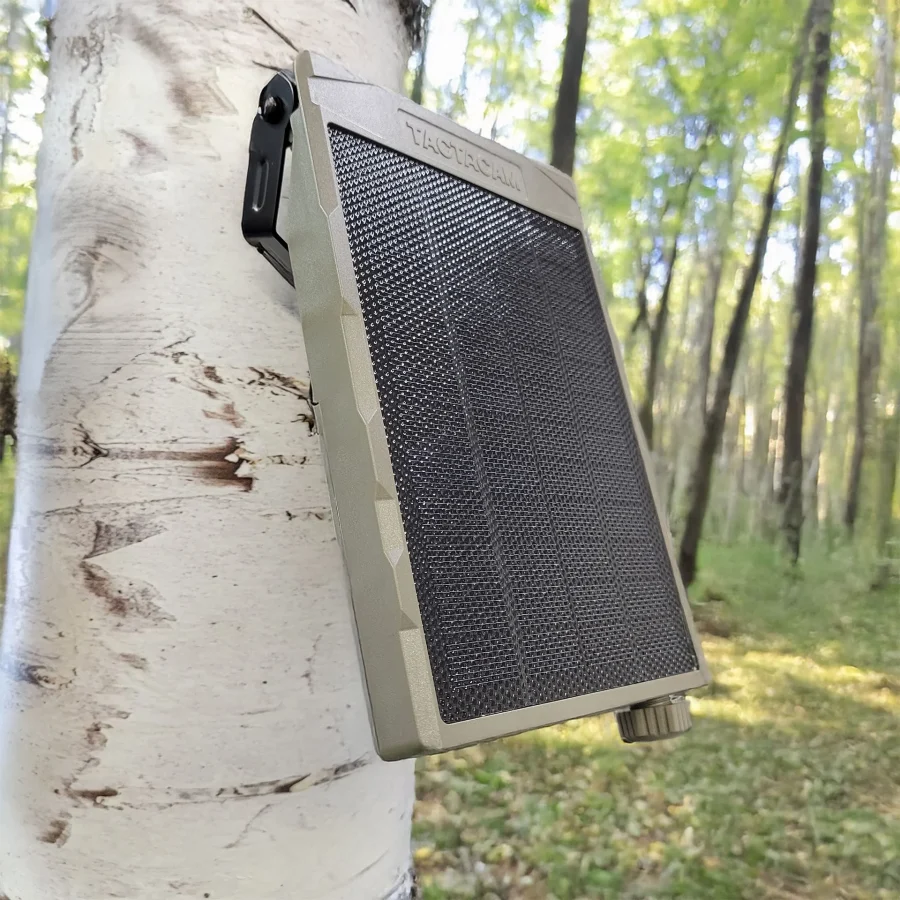
Solar panels convert sunlight into electricity through a process called the photovoltaic effect. Here’s a simple breakdown of how this process works:
- Sunlight Hits the Solar Panel: Solar panels are made up of many small units called solar cells. When sunlight strikes these cells, it excites the electrons within them.
- Electron Movement: The excited electrons begin to move, creating an electric current. This movement is essential for generating electricity.
- Conversion to Usable Power: The electric current produced is in direct current (DC) form. This current is then converted to alternating current (AC) if needed, using an inverter.
- Charging the Battery: The generated electricity is used to charge the internal battery of your Tactacam camera, allowing it to function without external power sources.
Key Terms to Know
Understanding some key terms can help clarify how solar panels work and why they might not be charging:
| Term | Definition |
|---|---|
| Photovoltaic Effect | The process by which solar cells convert sunlight into electricity. |
| Solar Cells | Small units within a solar panel that generate electricity when exposed to sunlight. |
| Direct Current (DC) | A type of electrical current that flows in one direction, produced by solar panels. |
| Alternating Current (AC) | A type of electrical current that changes direction periodically, commonly used in household power. |
| Inverter | A device that converts DC electricity into AC electricity. |
Challenges and Common Mistakes
While solar panels are generally reliable, several challenges can affect their performance. Here are some common mistakes and issues to watch out for:
1. Incorrect Placement
- Placing the solar panel in a shaded area can significantly reduce its ability to charge. Always position it where it receives maximum sunlight.
- Check for any obstructions like trees, buildings, or other objects that may block sunlight.
2. Dirty Solar Panel Surface
- A dirty or dusty solar panel can block sunlight and reduce efficiency. Regular cleaning is necessary to maintain optimal performance.
- Use a soft cloth and mild soap to clean the surface gently.
3. Temperature Extremes
- Solar panels can be affected by extreme temperatures. Very high or low temperatures can reduce their efficiency.
- Try to keep the solar panel in a moderate temperature range for optimal performance.
4. Battery Age and Condition
- The internal battery of your Tactacam may degrade over time, affecting its ability to hold a charge.
- Consider replacing the battery if it has been in use for several years or shows signs of wear.
5. Faulty Connections
- Loose or damaged cables can prevent the solar panel from charging the camera. Regularly check connections for wear and tear.
- Ensure all connectors are securely attached and free from corrosion.
Technical Aspects of Solar Panel Efficiency
Solar panel efficiency refers to how well a solar panel converts sunlight into usable electricity. Several factors can influence this efficiency:
- Type of Solar Cells: Different types of solar cells (monocrystalline, polycrystalline, thin-film) have varying efficiency rates. Monocrystalline panels are generally more efficient but can be more expensive.
- Temperature Coefficient: This metric indicates how much a solar panel’s efficiency decreases with rising temperatures. A lower temperature coefficient is preferable.
- Angle of Installation: The angle at which the solar panel is installed can impact its ability to capture sunlight. Ideally, panels should be angled to face the sun directly.
By understanding these principles and common challenges, you can better diagnose why your Tactacam solar panel may not be charging and take appropriate action to resolve the issue.
Common Downsides, Myths, and Misconceptions About Tactacam Solar Panels
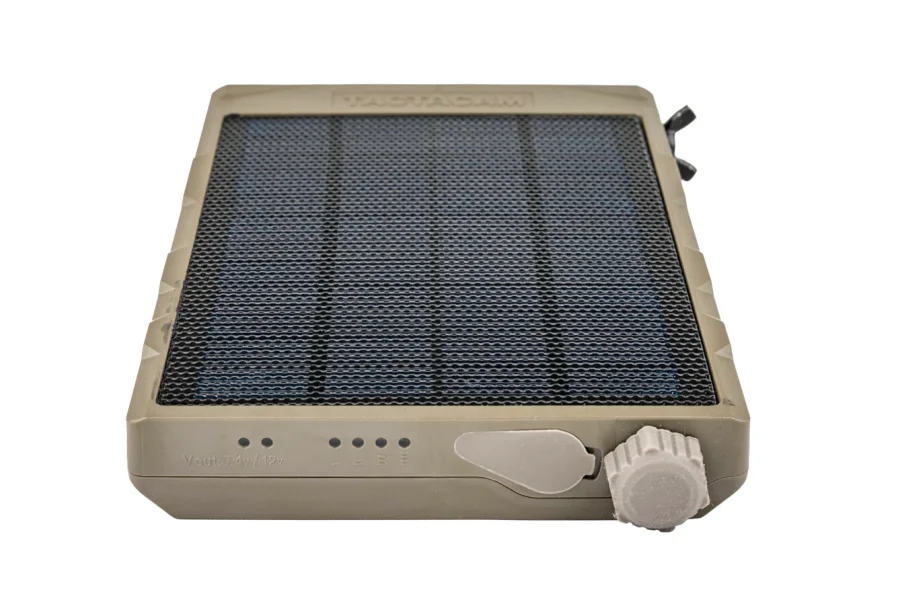
While Tactacam solar panels offer a convenient solution for powering your camera, there are several downsides, myths, and misconceptions that can lead to frustration when they fail to charge. Understanding these issues can help you make informed decisions and manage your expectations effectively.
Common Downsides of Tactacam Solar Panels
1. Dependency on Weather Conditions
One of the most significant downsides of solar panels is their reliance on weather conditions. Solar panels require direct sunlight to charge effectively. On cloudy days or during winter months, the charging efficiency can drop significantly. For example, a study from the National Renewable Energy Laboratory (NREL) found that solar panels can produce up to 25% less energy on overcast days compared to sunny days.
2. Limited Charging Capacity
Another downside is that solar panels may not provide enough power to charge your device fully, especially if the camera is in constant use. If you are frequently recording or taking photos, the battery may deplete faster than the solar panel can recharge it. This can lead to situations where your camera runs out of power at critical moments.
3. Maintenance Requirements
Solar panels require regular maintenance to function optimally. Dust, dirt, and debris can accumulate on the surface, blocking sunlight and reducing efficiency. Users often overlook this aspect, leading to charging issues. According to a survey by the Solar Energy Industries Association (SEIA), nearly 30% of solar panel owners reported that they did not clean their panels regularly, which directly impacted their performance.
Myths and Misconceptions
1. Solar Panels Work in Any Weather
A common misconception is that solar panels can generate power regardless of weather conditions. While they can still produce some energy on cloudy days, the output is significantly reduced. Many users assume that their solar panel will work effectively in all conditions, leading to disappointment when it fails to charge.
2. Solar Panels Are Maintenance-Free
Another myth is that solar panels do not require any maintenance. While they are generally low-maintenance, neglecting to clean them can lead to decreased efficiency. Users often believe that once installed, solar panels will work indefinitely without any care, which is not the case.
3. Solar Panels Are Always Cost-Effective
Some users assume that solar panels will always save them money in the long run. While they can reduce energy costs, the initial investment and ongoing maintenance can add up. A report by the U.S. Department of Energy indicated that while solar energy costs have decreased significantly, the total cost of ownership should be considered, including installation and maintenance expenses.
Frequently Asked Questions (FAQ)
1. Why is my Tactacam solar panel not charging even in sunlight?
Even in sunlight, factors like dirt on the panel, incorrect placement, or a faulty connection can prevent charging. Ensure the panel is clean and positioned for maximum sunlight exposure.
2. How long should it take for my solar panel to charge the Tactacam?
Charging time can vary based on sunlight intensity and the panel’s condition. Typically, it can take several hours of direct sunlight to achieve a full charge.
3. Can I use my Tactacam while it’s charging from the solar panel?
Using your Tactacam while it is charging may drain the battery faster than the solar panel can recharge it. It’s best to limit usage during charging to ensure the battery gains power.
4. What should I do if my solar panel is not charging at all?
If your solar panel is not charging, check for dirt or debris, ensure proper connections, and verify that it is receiving adequate sunlight. If issues persist, consider contacting customer support.
5. Are there any specific weather conditions that affect solar panel performance?
Yes, cloudy weather, rain, and snow can significantly reduce solar panel efficiency. While they can still generate some power, the output will be much lower than on sunny days.