
Would EMP Destroy Solar Panels?
Electromagnetic pulses (EMPs) have become a topic of concern in recent years, especially as our reliance on technology increases. An EMP can be caused by natural events, such as solar flares, or by man-made sources, including nuclear detonations. Understanding the potential impact of an EMP on solar panels is crucial for homeowners, businesses, and policymakers alike. This article will explore whether EMPs can damage solar panels, why this matters, and who should be paying attention.
What is an EMP?
An electromagnetic pulse is a burst of electromagnetic radiation that can disrupt or damage electronic devices and electrical systems. EMPs can occur in various forms:
- Nuclear EMP: Generated by a nuclear explosion at high altitudes.
- Solar EMP: Caused by solar flares or coronal mass ejections from the sun.
- Non-nuclear EMP: Produced by specialized devices designed to create an EMP effect.
Do EMPs Affect Solar Panels?
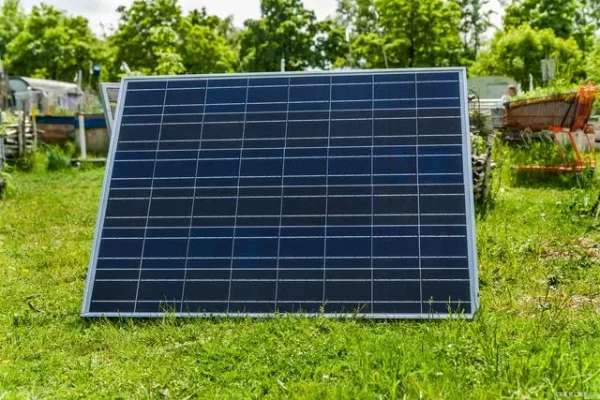
The primary concern regarding EMPs and solar panels revolves around the electronic components within the solar energy systems. Solar panels themselves are made of photovoltaic cells that convert sunlight into electricity, but they are connected to inverters and other electronic equipment that manage energy production and storage. The critical question is whether these components are vulnerable to EMP effects.
Impact on Solar Panels
Solar panels are generally robust and can withstand various environmental conditions, but their electronic components are more susceptible to EMP damage. Here’s how an EMP could affect different parts of a solar energy system:
- Photovoltaic Cells: The cells themselves are less likely to be damaged directly by an EMP, as they are primarily passive devices that convert light into electricity.
- Inverters: These are crucial for converting the direct current (DC) produced by solar panels into alternating current (AC) used in homes. Inverters are highly susceptible to EMP damage, which could render the entire solar system inoperable.
- Batteries: Energy storage systems, such as lithium-ion batteries, can also be affected by EMPs, potentially leading to failures in energy storage and management.
Why Does This Matter?
The implications of EMP damage to solar panels are significant for various stakeholders:
- Homeowners: Individuals who have invested in solar energy systems need to understand the risks associated with EMPs, especially if they rely on solar power for critical needs.
- Businesses: Companies that utilize solar energy as part of their operations should consider the potential for disruption and the financial implications of an EMP event.
- Policymakers: Understanding the vulnerabilities of solar energy systems can inform regulations and preparedness strategies for potential EMP threats.
Who Should Be Concerned?
Given the increasing frequency of discussions around EMPs, several groups should be particularly vigilant:
- Solar Energy Users: Homeowners and businesses using solar panels should assess their systems for vulnerabilities and consider protective measures.
- Emergency Preparedness Organizations: Groups focused on disaster preparedness should include EMP scenarios in their planning.
- Government Agencies: Agencies responsible for energy and infrastructure security should evaluate the resilience of solar energy systems against EMP threats.
Protective Measures
While the risk of an EMP event may seem remote, taking proactive steps can help mitigate potential damage to solar energy systems:
- Surge Protectors: Installing surge protection devices can help shield sensitive electronics from voltage spikes caused by an EMP.
- Faraday Cages: Enclosing critical electronic components in Faraday cages can provide a barrier against electromagnetic interference.
- Regular Maintenance: Keeping solar systems well-maintained can ensure that they are more resilient to various types of damage.
Understanding the Impact of EMP on Solar Panels
Electromagnetic pulses (EMPs) can have significant effects on electronic devices, including solar panels. To understand whether EMPs can destroy solar panels, it’s essential to break down the components of solar energy systems, how they work, and the potential vulnerabilities they face from EMPs.
How Solar Panels Work

Solar panels convert sunlight into electricity through a process called the photovoltaic effect. Here’s a step-by-step breakdown of how this process occurs:
- Absorption of Sunlight: Solar panels are made up of photovoltaic (PV) cells, typically composed of silicon. When sunlight hits these cells, the energy from the light is absorbed.
- Generation of Electron Flow: The absorbed energy excites electrons in the silicon atoms, causing them to break free from their atomic bonds. This movement of electrons creates an electric current.
- Direct Current (DC) Production: The flow of freed electrons generates direct current (DC) electricity. This is the type of electricity produced by solar panels.
- Conversion to Alternating Current (AC): Since most homes and businesses use alternating current (AC) electricity, the DC electricity produced by solar panels is sent to an inverter. The inverter converts DC into AC.
- Powering Your Home: The AC electricity is then used to power electrical devices in your home or business. Any excess electricity can be stored in batteries or sent back to the grid.
Components of a Solar Energy System
To understand how EMPs might affect solar panels, it’s important to know the main components of a solar energy system:
| Component | Function |
|---|---|
| Photovoltaic Cells | Convert sunlight into direct current (DC) electricity. |
| Inverter | Converts DC electricity into alternating current (AC) electricity. |
| Batteries | Store excess electricity for later use. |
| Charge Controller | Regulates the voltage and current coming from the solar panels to prevent overcharging batteries. |
How EMPs Affect Solar Panels
Understanding the potential impact of EMPs on solar panels involves recognizing the vulnerabilities of the electronic components within the system. Here are the key points to consider:
Vulnerability of Electronic Components
While the photovoltaic cells themselves are relatively robust, the electronic components that manage and convert the electricity are more susceptible to EMP damage:
- Inverters: These devices are critical for converting DC to AC electricity. They contain sensitive electronics that can be damaged by the electromagnetic interference caused by an EMP.
- Batteries: Energy storage systems, like lithium-ion batteries, can also suffer damage from EMPs, potentially leading to failures in energy storage and management.
- Charge Controllers: These devices help regulate the flow of electricity to and from the batteries. They are also vulnerable to EMP effects.
Challenges and Risks
There are several challenges and risks associated with EMPs and solar energy systems:
- Potential for System Failure: If an EMP damages the inverter or other electronic components, the entire solar energy system could become inoperable, leading to a loss of power.
- Cost of Repairs: Repairing or replacing damaged components can be expensive. Inverters, for instance, can cost anywhere from $1,000 to $3,000, depending on the model and capacity.
- Preparedness: Many homeowners and businesses may not be aware of the risks posed by EMPs, leading to a lack of preparedness and protective measures.
Common Mistakes in Understanding EMP Risks
Here are some common misconceptions regarding EMPs and solar panels:
- Assuming Solar Panels are Immune: Many people believe that solar panels are completely immune to EMPs because they are passive devices. However, the associated electronic components are vulnerable.
- Neglecting Protective Measures: Some homeowners may overlook the importance of surge protectors and other safety devices that can help mitigate EMP risks.
- Underestimating the Impact of EMPs: The potential for widespread disruption from an EMP event is often underestimated, especially in a world increasingly dependent on electronic systems.
Common Downsides and Misconceptions About EMP and Solar Panels
As discussions about electromagnetic pulses (EMPs) and their potential impact on solar panels become more prevalent, several misconceptions and downsides emerge. Addressing these myths is crucial for homeowners, businesses, and policymakers to make informed decisions about solar energy systems and their vulnerabilities.
Common Myths and Misconceptions
Myth 1: Solar Panels Are Immune to EMPs
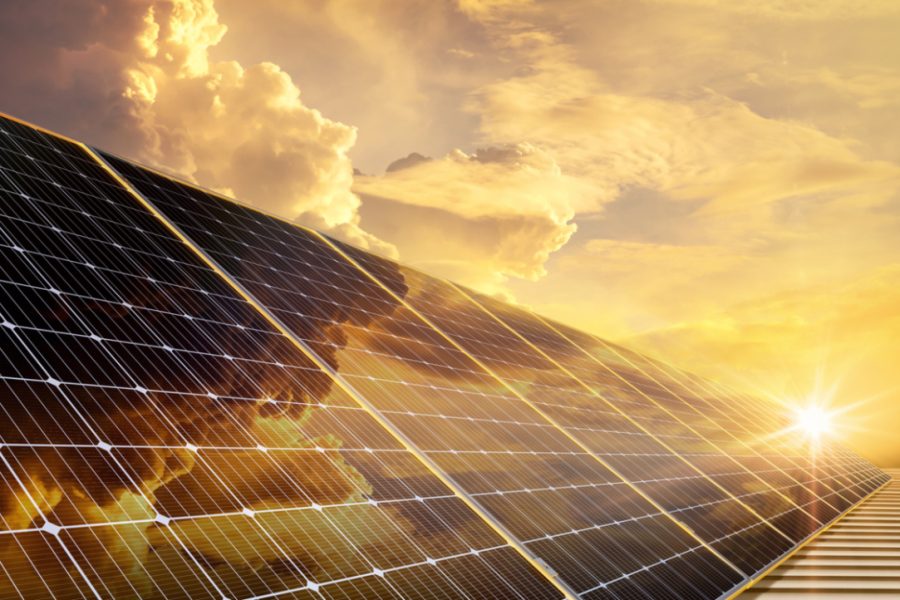
One of the most prevalent myths is that solar panels themselves are immune to EMP damage. While it is true that the photovoltaic cells are passive devices that convert sunlight into electricity, the electronic components associated with solar energy systems, such as inverters and batteries, are not immune. These components can be severely affected by the electromagnetic interference generated by an EMP.
Myth 2: EMPs Are Only a Concern for Military Applications
Another common misconception is that EMPs are primarily a concern for military applications or nuclear warfare. While nuclear EMPs are a significant threat, natural EMPs, such as those caused by solar flares, can also have devastating effects on civilian infrastructure. For instance, the Carrington Event of 1859 was a massive solar storm that disrupted telegraph systems and could have caused widespread damage to modern electrical grids had it occurred today.
Myth 3: EMPs Will Only Affect Large-Scale Power Grids
Many people believe that only large-scale power grids are at risk from EMPs, assuming that smaller systems like residential solar panels are safe. However, the reality is that any electronic device connected to the grid, including solar energy systems, can be affected. A study by the EMP Commission indicated that even localized EMP events could disrupt small-scale energy systems, leading to significant power outages.
Downsides of Solar Panels in the Context of EMPs
While solar panels offer numerous benefits, there are notable downsides when considering their vulnerability to EMPs:
- High Repair Costs: If an EMP damages the inverter or other electronic components, the costs for repairs or replacements can be substantial. For example, the price of a new inverter can range from $1,000 to $3,000, depending on the model.
- Limited Protection Options: While surge protectors and Faraday cages can offer some level of protection, they may not completely shield solar systems from the effects of a strong EMP.
- Potential for System Downtime: If an EMP event occurs, the time required to assess damage and repair or replace components can lead to significant downtime, affecting energy availability.
Statistics and Case Studies
Understanding the potential impact of EMPs on solar panels can be enhanced by examining relevant statistics and case studies:
- The Carrington Event: The solar storm of 1859 is estimated to have caused damage equivalent to billions of dollars in today’s currency. If a similar event were to occur today, it could potentially disrupt power systems worldwide, including solar energy installations.
- EMP Commission Report: A report from the EMP Commission highlighted that an EMP event could lead to widespread failures in the electrical grid, affecting not just large power plants but also smaller solar energy systems.
- Insurance Claims: Following localized EMP events or severe solar storms, insurance claims related to electronic damage have increased, indicating a growing awareness of the risks associated with EMPs.
Frequently Asked Questions (FAQs)
1. Can solar panels survive a nuclear EMP?
Solar panels themselves may not be directly damaged by a nuclear EMP, but the associated electronic components, such as inverters and batteries, are highly vulnerable. If these components are damaged, the entire solar energy system could become inoperable.
2. Are there protective measures for solar panels against EMPs?
Yes, some protective measures can be implemented, such as installing surge protectors and using Faraday cages for critical components. However, these measures may not provide complete protection against a strong EMP event.
3. How likely is an EMP event to occur?
While the likelihood of a nuclear EMP event is low, natural EMPs caused by solar flares are more common. Experts suggest that while severe solar storms are rare, they can and do happen, making it essential to consider their potential impact.
4. What should I do to prepare my solar energy system for an EMP?
To prepare your solar energy system for potential EMP risks, consider investing in surge protection devices, regularly maintaining your system, and staying informed about EMP threats and protective measures.
5. Is it worth investing in solar panels despite the EMP risks?
Yes, solar panels can provide significant benefits, including energy independence and reduced electricity costs. However, understanding the risks associated with EMPs is crucial for making informed decisions about installation and protection strategies.