

Will More Solar Panels Charge a Battery Faster?
As renewable energy sources gain traction, many homeowners and businesses are exploring solar power as a viable option for reducing energy costs and environmental impact. A common question arises: will more solar panels charge a battery faster? This inquiry is crucial for anyone considering solar energy systems, particularly those looking to maximize efficiency and storage capabilities.
The primary search intent behind this question is to understand the relationship between the number of solar panels and the charging speed of batteries in solar energy systems. This information is relevant for:
- Homeowners with solar panel installations
- Businesses investing in solar energy solutions
- Energy enthusiasts and environmental advocates
Understanding Solar Panel Output
To determine whether adding more solar panels will charge a battery faster, it’s essential to understand how solar panels generate electricity. Solar panels convert sunlight into electricity through photovoltaic cells. The amount of electricity produced depends on several factors:
- Panel Efficiency: Higher efficiency panels convert more sunlight into electricity.
- Sunlight Exposure: The amount of sunlight available during the day affects output.
- Temperature: Extreme heat can reduce panel efficiency.
Solar Panel Ratings
Solar panels are rated based on their power output, typically measured in watts (W). For example, a standard residential solar panel may produce between 250 to 400 watts under optimal conditions. The total output of a solar array is the sum of the individual panel outputs.
Battery Charging Basics
Batteries store energy generated by solar panels for later use. The charging speed of a battery depends on:
- Battery Capacity: Measured in amp-hours (Ah), this indicates how much energy the battery can store.
- Charge Controller: This device regulates the voltage and current coming from the solar panels to the battery.
- Depth of Discharge: The amount of energy already used from the battery affects how quickly it can be recharged.
Does Adding More Solar Panels Increase Charging Speed?
The straightforward answer is yes, adding more solar panels can increase the charging speed of a battery. However, several factors influence this outcome:
- Increased Power Output: More panels generate more electricity, which can lead to faster charging times.
- System Compatibility: The charge controller and battery must be compatible with the increased output to prevent damage.
- Sunlight Availability: More panels can capture more sunlight, but if sunlight is limited, the effect may be diminished.
Example Scenario
Consider a system with two 300W solar panels connected to a 12V battery. Under optimal conditions, this setup can produce 600W of power. If you add two more panels, the total output becomes 1200W. This increase can significantly reduce the time it takes to charge the battery, assuming the charge controller can handle the additional power.
Limitations and Considerations
While adding more solar panels can enhance charging speed, there are limitations to consider:
- Space Constraints: More panels require more installation space, which may not be available.
- Cost: The initial investment for additional panels can be significant, with prices ranging from $200 to $400 per panel, depending on the brand and efficiency.
- System Design: The overall system must be designed to handle the increased power output, including wiring and inverter capacity.
In summary, while more solar panels can indeed charge a battery faster, the effectiveness of this strategy depends on various factors, including system compatibility, environmental conditions, and cost considerations. Understanding these elements is crucial for anyone looking to optimize their solar energy setup.
Understanding How More Solar Panels Charge a Battery Faster
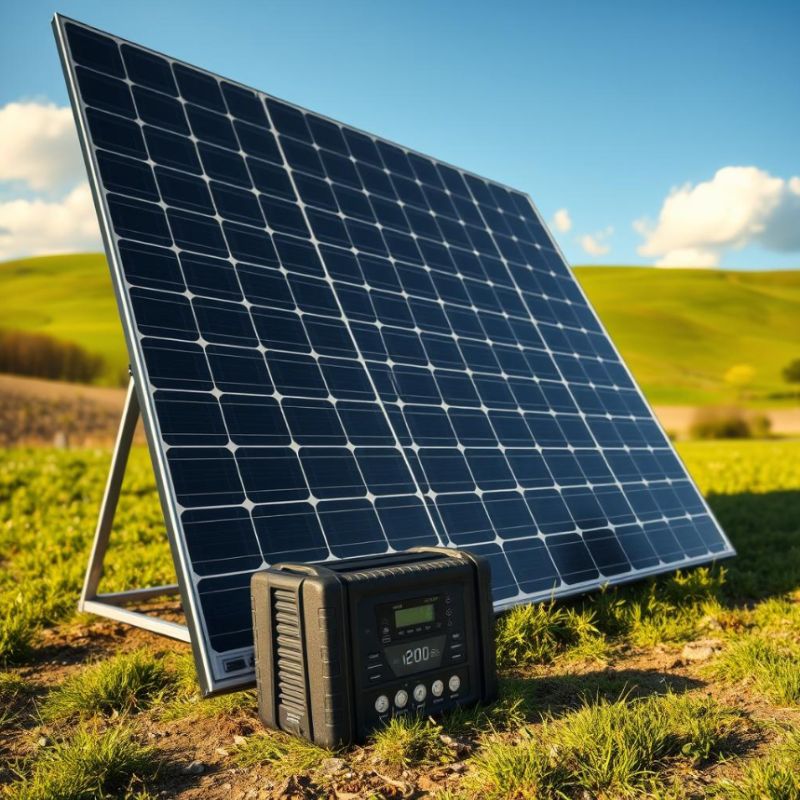
When considering solar energy systems, one of the most common questions is whether adding more solar panels will charge a battery faster. To answer this, we need to break down how solar panels work, the relationship between solar panels and batteries, and the factors that influence charging speed.
How Solar Panels Work: A Step-by-Step Process
Solar panels convert sunlight into electricity through a process called the photovoltaic effect. Here’s a simplified step-by-step explanation:
- Sunlight Absorption: Solar panels are made up of many solar cells, usually made from silicon. When sunlight hits these cells, it excites the electrons in the silicon, causing them to move.
- Electricity Generation: The movement of these excited electrons creates direct current (DC) electricity. Each solar panel has a specific wattage rating, indicating how much electricity it can produce under ideal conditions.
- Inverter Conversion: If the electricity is to be used in a home, it must be converted from DC to alternating current (AC) using an inverter. However, if the electricity is being stored in a battery, it can remain in DC form.
- Charging the Battery: The generated electricity flows to the battery through a charge controller, which regulates the voltage and current to ensure safe charging.
Key Terms to Understand
Before diving deeper, it’s essential to define some key terms related to solar energy systems:
| Term | Definition |
|---|---|
| Solar Panel | A device that converts sunlight into electricity. |
| Photovoltaic Effect | The process by which solar cells convert sunlight into electrical energy. |
| Direct Current (DC) | Electricity that flows in one direction, commonly used in batteries. |
| Charge Controller | A device that manages the flow of electricity from the solar panels to the battery. |
| Battery Capacity | The total amount of energy a battery can store, usually measured in amp-hours (Ah). |
How More Solar Panels Affect Battery Charging Speed
Adding more solar panels can increase the amount of electricity generated, which directly impacts how quickly a battery can be charged. Here’s how:
- Increased Power Output: Each additional solar panel contributes its rated wattage to the total output. For example, if you add a 300W panel to an existing array, the total output increases, allowing for more electricity to flow to the battery.
- Faster Charging Times: More electricity means that the battery can reach its full charge more quickly, assuming the charge controller can handle the increased input.
- Optimal Conditions: The effectiveness of adding more panels depends on sunlight availability. If it’s a cloudy day, the additional panels may not significantly increase charging speed.
Challenges and Common Mistakes
While the concept of adding more solar panels seems straightforward, there are challenges and common mistakes that can affect the overall performance of a solar energy system:
- System Compatibility: Not all charge controllers can handle the increased power from additional panels. Using an incompatible charge controller can lead to system failures or damage.
- Wiring Issues: Improper wiring can lead to voltage drops, reducing the efficiency of the system. It’s crucial to use the correct gauge of wire to handle the increased current.
- Battery Limitations: A battery has a maximum charging rate. If the solar panels produce more electricity than the battery can handle, it can lead to overcharging, which can damage the battery.
Technical Aspects to Consider
Understanding some technical aspects can help you make informed decisions about solar panel installations:
- Voltage Matching: Ensure that the voltage of the solar panels matches the voltage of the battery system. For example, a 12V battery system should use 12V solar panels.
- Series vs. Parallel Connections: Solar panels can be connected in series (increasing voltage) or parallel (increasing current). The choice affects how the system performs and how batteries charge.
- Efficiency Ratings: Solar panels have efficiency ratings that indicate how much sunlight they can convert into electricity. Higher efficiency panels can produce more power in less space.
Understanding how solar panels work and their relationship with batteries is essential for anyone looking to optimize their solar energy system. By considering the factors that influence charging speed, you can make informed decisions about your solar panel installation.
Common Downsides and Misconceptions About Charging Batteries with More Solar Panels
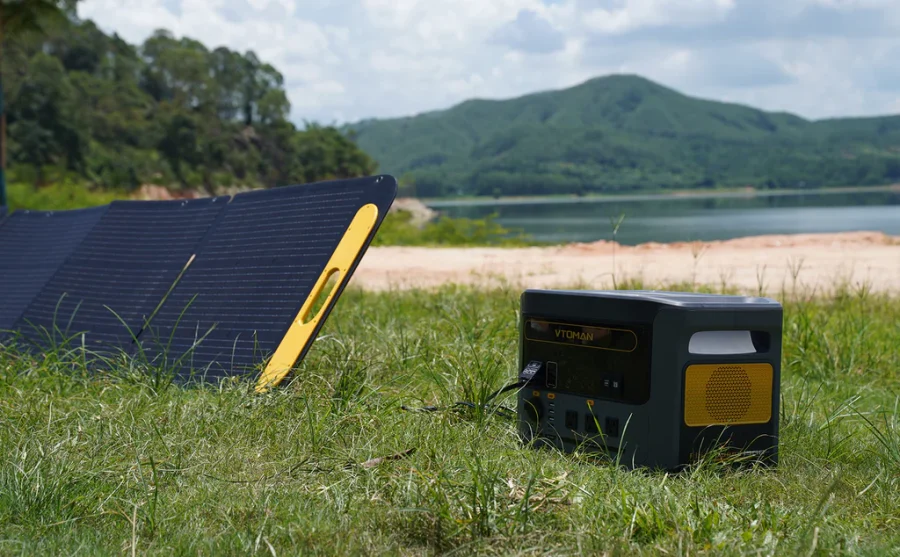
While the idea of adding more solar panels to charge a battery faster seems appealing, there are several downsides, myths, and misconceptions that can lead to misunderstandings. Addressing these issues is crucial for anyone considering solar energy solutions.
Common Downsides
- Initial Cost: One of the most significant downsides of adding more solar panels is the upfront cost. Prices for solar panels can range from $200 to $400 each, depending on the brand and efficiency. For a typical residential installation, this can add up quickly, making it a significant investment.
- Space Requirements: More solar panels require more physical space. Not all homes or businesses have the roof area or land available to accommodate additional panels. This limitation can hinder the ability to increase charging capacity.
- Maintenance and Upkeep: More panels mean more maintenance. Regular cleaning and inspections are necessary to ensure optimal performance. Neglecting maintenance can lead to decreased efficiency and increased costs over time.
- Overcharging Risks: If the system is not designed correctly, adding more panels can lead to overcharging the battery. This can damage the battery and reduce its lifespan. Proper charge controllers are essential to prevent this issue.
Myths and Misconceptions
- Myth 1: More Panels Always Equals Faster Charging: While more panels can increase the total power output, this does not guarantee faster charging if the system components (like the charge controller) cannot handle the increased input. For example, if a charge controller is rated for a specific wattage, exceeding that limit can lead to inefficiencies.
- Myth 2: Solar Panels Work Equally Well in All Conditions: Many people believe that solar panels will produce the same amount of energy regardless of weather conditions. In reality, cloudy or rainy days significantly reduce solar panel output. A study by the National Renewable Energy Laboratory (NREL) found that solar energy production can drop by 50% or more on overcast days.
- Myth 3: You Can Never Have Too Many Panels: While it may seem beneficial to add as many panels as possible, there is a limit to how much energy a battery can store and how much a charge controller can manage. Adding too many panels can lead to inefficiencies and potential system failures.
Relevant Examples and Statistics
Understanding real-world examples and statistics can help clarify the relationship between solar panels and battery charging:
- Case Study: Residential Solar Installations: A homeowner in California installed a 10-panel system (300W each) to charge a 12V battery bank. After adding two additional panels, they noticed only a marginal decrease in charging time due to the limitations of their charge controller, which was rated for 2,400W. This illustrates that simply adding more panels does not always lead to proportional increases in charging speed.
- Statistics on Efficiency: According to the Solar Energy Industries Association (SEIA), the average efficiency of residential solar panels has increased from around 15% in 2010 to over 20% in 2023. Higher efficiency panels can produce more electricity in less space, potentially reducing the need for additional panels.
FAQ Section
1. Can I charge my battery faster by adding more solar panels?
Yes, adding more solar panels can increase the total power output, which may lead to faster charging. However, this is contingent on the compatibility of the charge controller and the battery’s capacity.
2. What happens if I add too many solar panels?
If you add too many solar panels without ensuring system compatibility, you risk overloading your charge controller, which can lead to inefficiencies or damage to the system.
3. Do solar panels work on cloudy days?
Yes, solar panels can still generate electricity on cloudy days, but their output will be significantly reduced. Studies show that solar production can drop by 50% or more under overcast conditions.
4. Is it worth the investment to add more solar panels?
Whether it’s worth the investment depends on your energy needs, available space, and budget. If you have the capacity to add more panels and can manage the costs, it may be beneficial for faster charging and energy independence.
5. How can I ensure my solar system is efficient?
To ensure efficiency, use high-quality components, including solar panels, charge controllers, and batteries. Regular maintenance and monitoring of your system’s performance are also essential for optimal operation.