

Introduction to Solar Panel Orientation and Rust
When it comes to maximizing the efficiency and longevity of solar panels, one of the most critical factors is their orientation. Specifically, the direction in which solar panels face can significantly impact their performance and susceptibility to issues like rust. This topic is particularly relevant for homeowners, businesses, and solar energy enthusiasts in the U.S. who are considering or already utilizing solar technology.
Understanding the optimal orientation for solar panels is essential for ensuring they capture the maximum amount of sunlight. In the U.S., solar panels are typically installed facing south to take advantage of the sun’s path throughout the day. However, the angle and direction can vary based on geographic location, seasonal changes, and specific energy needs. This article will delve into the best practices for solar panel orientation and how it relates to rust, a common concern for many solar panel owners.
Why Orientation Matters
The orientation of solar panels directly affects their energy production and durability. Here are some key reasons why it matters:
- Energy Efficiency: Proper orientation maximizes sunlight exposure, leading to higher energy output.
- Longevity: Panels that are not optimally oriented may experience wear and tear more quickly, including rust formation.
- Cost Savings: Increased efficiency translates to lower energy bills and a quicker return on investment.
Primary Search Intent: Which Way to Face Solar Panels to Prevent Rust?
The primary search intent behind the question of which way to face solar panels to prevent rust is to identify the best orientation and conditions that minimize rust formation while maximizing energy production. Facing solar panels in the right direction not only enhances their performance but also reduces the risk of corrosion, which can lead to costly repairs or replacements.
Optimal Orientation for Solar Panels
General Guidelines
In the U.S., the general consensus is that solar panels should face south for maximum sunlight exposure. However, other factors can influence this decision:
- Latitude: The further north you are, the more you may need to adjust the angle of your panels.
- Seasonal Changes: In some regions, adjusting the tilt of panels seasonally can optimize performance.
- Obstructions: Trees, buildings, and other structures can block sunlight, affecting the ideal orientation.
Facing Directions and Rust Prevention
While the primary goal is to capture sunlight, certain orientations can also help mitigate rust:
- South-Facing: This is the most common orientation and generally offers the best performance. However, panels should be installed at an angle to allow rainwater to wash off debris and prevent rust.
- East or West-Facing: These orientations can still be effective but may produce less energy overall. They can also lead to moisture accumulation if not angled properly, increasing rust risk.
- North-Facing: Generally not recommended in the U.S. as it receives the least sunlight. However, if necessary, ensure proper drainage to prevent rust.
Factors Influencing Rust Formation
Material Quality
The materials used in solar panel construction play a significant role in rust formation. Higher-quality panels often have better protective coatings that resist corrosion.
Environmental Conditions
Humidity, rainfall, and proximity to saltwater can accelerate rust formation. Areas with high humidity or coastal regions should consider additional protective measures.
Maintenance Practices
Regular maintenance is crucial for preventing rust. This includes:
- Cleaning: Regularly clean panels to remove dirt and debris that can trap moisture.
- Inspections: Periodically inspect for signs of rust or wear, especially around mounting brackets and connections.
- Protective Coatings: Consider applying protective coatings to enhance rust resistance.
Conclusion
Understanding the optimal orientation for solar panels is essential for maximizing energy production and minimizing rust formation. By considering factors such as geographic location, environmental conditions, and material quality, solar panel owners can make informed decisions that enhance the longevity and efficiency of their systems.
Understanding Solar Panel Orientation and Rust Formation
Solar panels are a popular choice for generating renewable energy, but their effectiveness can be significantly influenced by their orientation. This section will explain how to determine the best way to face solar panels to minimize rust formation and maximize energy production.
What is Solar Panel Orientation?
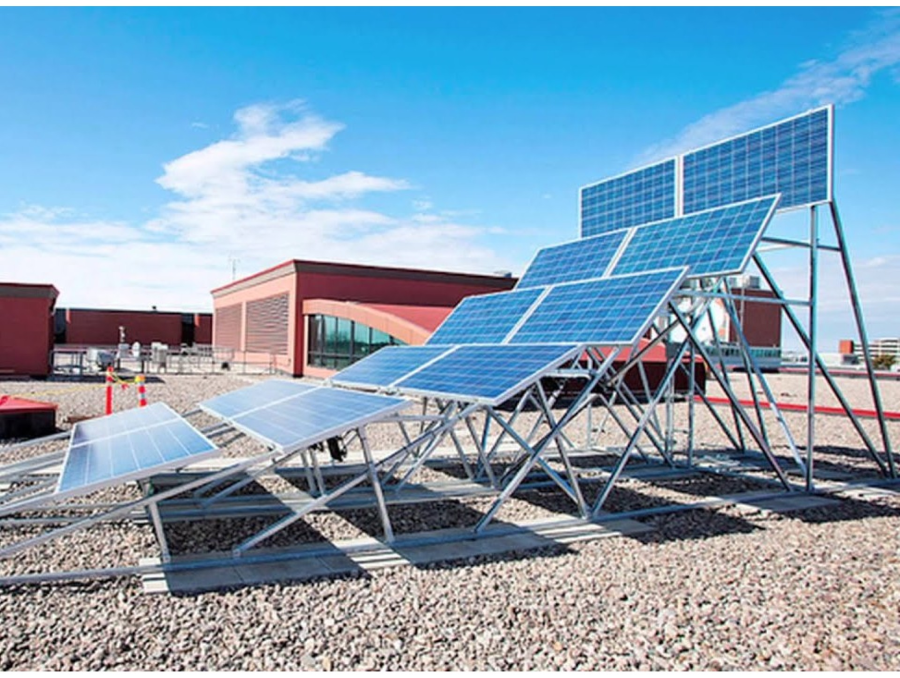
Solar panel orientation refers to the direction in which solar panels are installed. The angle and direction can greatly affect how much sunlight the panels receive, which in turn impacts their efficiency and lifespan. Proper orientation helps in harnessing the maximum amount of solar energy while also preventing issues like rust.
How Solar Panels Work
To understand the importance of orientation, it’s helpful to know how solar panels convert sunlight into electricity. Here’s a step-by-step breakdown:
- Sunlight Absorption: Solar panels are made up of photovoltaic (PV) cells that absorb sunlight. The more direct sunlight they receive, the more energy they can produce.
- Electron Movement: When sunlight hits the PV cells, it energizes electrons, causing them to move. This movement generates an electric current.
- Inverter Conversion: The direct current (DC) produced by the solar panels is then sent to an inverter, which converts it into alternating current (AC) for use in homes and businesses.
- Energy Utilization: The AC electricity can then be used to power appliances, charge batteries, or be fed back into the electrical grid.
Key Terms Related to Solar Panel Orientation
Understanding some key terms can help clarify the discussion around solar panel orientation and rust:
| Term | Definition |
|---|---|
| Photovoltaic (PV) Cells | Semiconductor devices that convert sunlight directly into electricity. |
| Orientation | The direction in which solar panels are installed (e.g., south, east, west, north). |
| Angle of Tilt | The angle at which solar panels are mounted relative to the ground. |
| Rust | A form of corrosion that occurs when metal is exposed to moisture and oxygen. |
Factors Influencing the Best Orientation
Several factors determine the best orientation for solar panels, especially concerning rust prevention:
1. Geographic Location
Your geographic location plays a significant role in determining the optimal orientation. For example:
- Southern U.S.: Panels should generally face south.
- Northern U.S.: A slightly more westward orientation may be beneficial.
2. Seasonal Changes
Sunlight patterns change with the seasons. Adjusting the angle of tilt can help maximize energy capture:
- Summer: A lower angle may be more effective.
- Winter: A steeper angle can help capture sunlight more effectively.
3. Environmental Conditions
Moisture levels and environmental factors can influence rust formation:
- Humidity: High humidity can accelerate rust, making proper drainage essential.
- Rainfall: Panels should be angled to allow rainwater to wash off debris and prevent moisture buildup.
- Proximity to Saltwater: Coastal areas may require additional protective measures due to salt corrosion.
Common Mistakes in Solar Panel Orientation
Many homeowners make mistakes when installing solar panels that can lead to decreased efficiency and increased rust risk:
- Ignoring Local Climate: Failing to consider local weather patterns can lead to poor orientation choices.
- Flat Installations: Installing panels flat can trap moisture, increasing rust risk.
- Neglecting Maintenance: Not regularly cleaning and inspecting panels can lead to debris buildup and rust formation.
Technical Aspects of Rust Formation
Rust is a type of corrosion that occurs when metal is exposed to moisture and oxygen. Understanding the science behind rust can help in preventing it:
- Electrochemical Reaction: Rust forms through an electrochemical reaction where iron reacts with oxygen in the presence of moisture.
- Oxidation: The process of oxidation leads to the formation of iron oxide, which is commonly known as rust.
- Environmental Factors: High humidity and salt exposure can accelerate this process, making proper orientation and maintenance even more critical.
Preventing Rust Through Proper Orientation
To minimize rust formation, consider the following tips:
- Optimal Tilt Angle: Ensure panels are installed at an angle that allows for effective drainage.
- Regular Cleaning: Schedule regular cleanings to remove dirt and debris that can trap moisture.
- Quality Materials: Invest in high-quality solar panels with protective coatings to resist corrosion.
Common Downsides, Myths, and Misconceptions About Solar Panel Orientation and Rust
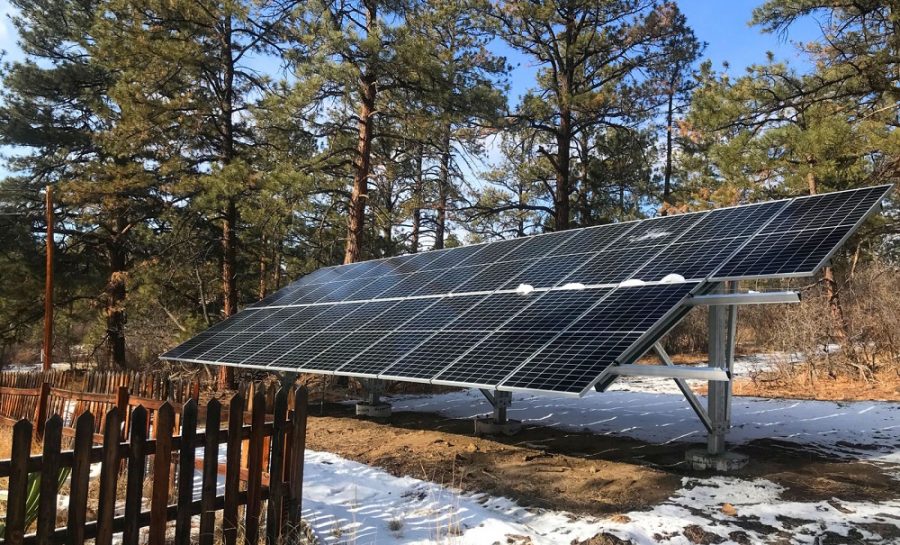
As solar energy becomes increasingly popular, several myths and misconceptions have emerged regarding the orientation of solar panels and their susceptibility to rust. Addressing these misconceptions is crucial for potential solar panel owners to make informed decisions.
Common Myths and Misconceptions
1. Solar Panels Only Need to Face South
While south-facing panels are often recommended for maximum sunlight exposure, this is not a one-size-fits-all solution. In certain regions, especially those farther north, east or west-facing panels can still perform effectively. For example, a study conducted by the National Renewable Energy Laboratory (NREL) found that in some cases, east or west orientations can yield comparable energy production, especially when considering time-of-use rates for energy consumption.
2. Rust is Inevitable with Any Orientation
Many believe that rust is an unavoidable issue for solar panels. However, proper installation and maintenance can significantly reduce the risk of rust. For instance, panels installed at an angle that allows for effective drainage can prevent moisture buildup, which is a primary cause of rust. Regular cleaning and inspections can also help identify and mitigate rust before it becomes a significant problem.
3. Higher Cost Equals Better Rust Resistance
While it’s true that higher-quality solar panels often have better protective coatings, not all expensive panels are immune to rust. Factors such as installation quality, local environmental conditions, and maintenance practices play a more significant role in preventing rust. For example, a case study in Florida showed that mid-range solar panels, when properly maintained, outperformed high-end models that were poorly installed in a humid environment.
4. Solar Panels Don’t Need Maintenance
Another common misconception is that solar panels are maintenance-free once installed. In reality, regular maintenance is crucial for preventing rust and ensuring optimal performance. According to the Solar Energy Industries Association (SEIA), neglecting maintenance can lead to a decrease in energy production by up to 20%. Simple tasks like cleaning panels and checking for debris can make a significant difference.
Statistics and Case Studies
Statistics and real-world examples can help illustrate the importance of proper orientation and maintenance:
- Energy Production: A study by NREL found that solar panels facing south produced 20% more energy than those facing north over a year.
- Rust Prevention: A survey of solar panel owners in coastal areas revealed that those who regularly cleaned their panels reported a 30% lower incidence of rust-related issues compared to those who did not.
- Cost of Neglect: A case study in California showed that homeowners who ignored maintenance faced repair costs averaging $1,500 due to rust damage, while those who maintained their panels spent less than $300 annually on upkeep.
Frequently Asked Questions (FAQ)
1. What direction should solar panels face to avoid rust?
While south-facing panels are generally recommended for maximum sunlight exposure, the best direction can vary based on geographic location and seasonal changes. Ensuring proper drainage is key to preventing rust, regardless of the orientation.
2. Can rust form on solar panels even if they are well-maintained?
Yes, rust can still form on solar panels if they are made from lower-quality materials or if environmental conditions are particularly harsh. However, regular maintenance and inspections can significantly reduce the risk.
3. How often should I clean my solar panels to prevent rust?
It is recommended to clean solar panels at least twice a year. However, in areas with high dust, pollen, or humidity, more frequent cleaning may be necessary to prevent moisture buildup and rust.
4. Are there specific materials that resist rust better than others?
Yes, solar panels with aluminum frames and tempered glass are generally more resistant to rust. Additionally, panels with protective coatings can offer better corrosion resistance, but quality installation and maintenance are equally important.
5. What should I do if I notice rust on my solar panels?
If you notice rust on your solar panels, it is essential to address it immediately. Consult a professional to assess the extent of the damage and determine whether repairs or replacements are necessary. Regular maintenance can help prevent further issues.