

What Size Cable for 12V Solar Panel?
When setting up a 12V solar panel system, one of the most critical components to consider is the size of the cable you will use. The right cable size ensures efficient energy transfer from the solar panels to the battery or inverter, minimizing energy loss and preventing potential safety hazards. This topic is relevant for anyone involved in solar energy systems, including DIY enthusiasts, homeowners, and professionals in the renewable energy sector.
Choosing the correct cable size is essential for several reasons:
- It affects the overall efficiency of the solar power system.
- It helps prevent overheating and potential fire hazards.
- It ensures that the system operates within safe voltage and current limits.
The primary search intent behind the question “What size cable for 12V solar panel?” is to find guidance on selecting the appropriate cable gauge for a 12V solar panel installation. The answer depends on several factors, including the total current output of the solar panels, the distance between the panels and the battery or inverter, and the acceptable voltage drop.
Understanding Cable Gauge
Cable gauge refers to the thickness of the wire, which directly impacts its ability to carry electrical current. In the United States, the American Wire Gauge (AWG) system is commonly used to specify wire sizes. The lower the AWG number, the thicker the wire, which allows for more current to pass through without significant voltage drop.
Factors Influencing Cable Size
Several factors influence the choice of cable size for a 12V solar panel system:
- Current Output: The total current output of your solar panels is a primary factor. For example, if you have a solar panel rated at 100 watts, the current output at 12V would be approximately 8.33 amps (100W/12V).
- Distance: The distance between the solar panels and the battery or inverter plays a crucial role. Longer distances can lead to increased voltage drop, necessitating a thicker cable to compensate.
- Voltage Drop: A voltage drop of more than 3% is generally considered unacceptable in solar systems. This means that you need to calculate the appropriate cable size to keep the voltage drop within acceptable limits.
Cable Size Recommendations
Here are some general recommendations for cable sizes based on current output and distance:
| Current (Amps) | Distance (Feet) | Cable Size (AWG) |
|---|---|---|
| 0-10 | 0-25 | 14 |
| 0-10 | 25-50 | 12 |
| 10-20 | 0-25 | 12 |
| 10-20 | 25-50 | 10 |
| 20-30 | 0-25 | 10 |
| 20-30 | 25-50 | 8 |
Example Calculation
To illustrate how to choose the right cable size, consider a 100-watt solar panel with a current output of 8.33 amps. If the distance from the panel to the battery is 30 feet, you would look at the table above. For 8.33 amps over 30 feet, a 12 AWG cable would be suitable to keep the voltage drop within acceptable limits.
Common Cable Types
When selecting cables for your solar panel system, you will encounter various types. Here are some common options:
- PV Wire: Specifically designed for solar applications, PV wire is durable and resistant to UV rays and moisture.
- THHN Wire: A general-purpose wire that can be used in various applications, including solar systems, but may not be as durable as PV wire.
- MC4 Connectors: Often used in conjunction with solar panels, these connectors are designed for easy and secure connections.
Safety Considerations
While selecting the right cable size is crucial for efficiency, safety should not be overlooked. Always ensure that the cables are rated for the current they will carry and that they are installed correctly to prevent overheating and potential hazards. Using cables with proper insulation and protection against environmental factors is also essential.
Understanding Cable Size for 12V Solar Panels
Choosing the right cable size for your 12V solar panel system is crucial for ensuring efficient energy transfer and maintaining safety. This section breaks down the concept in simple terms, making it easy for beginners to understand.
What is Cable Size?
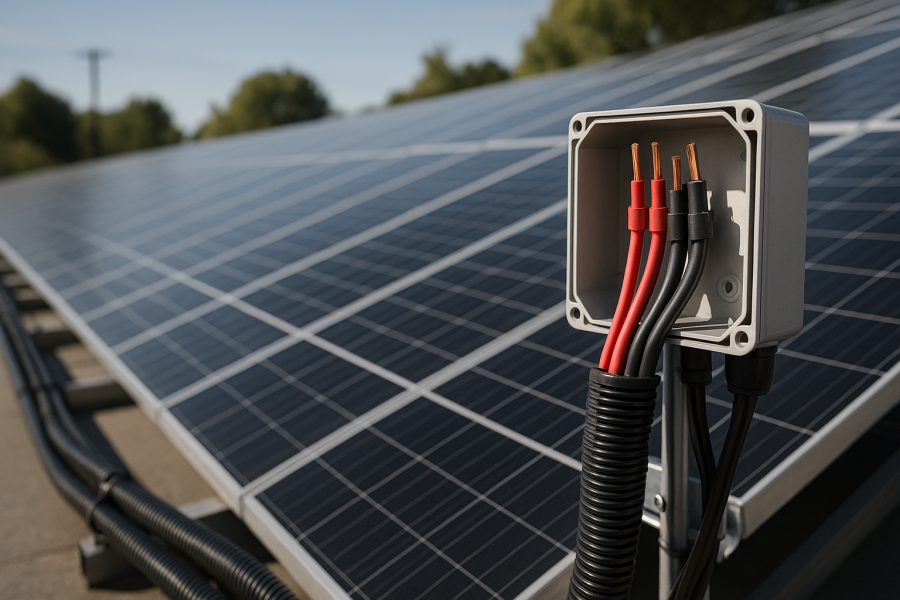
Cable size refers to the thickness of the wire used to connect different components of a solar power system. In the U.S., cable sizes are measured using the American Wire Gauge (AWG) system. The lower the AWG number, the thicker the wire. Thicker wires can carry more current without overheating, which is essential for the performance of your solar system.
Why Does Cable Size Matter?
The size of the cable impacts several key factors:
- Current Carrying Capacity: Each cable has a maximum current it can safely carry. Exceeding this limit can cause overheating and potential fire hazards.
- Voltage Drop: As electricity travels through a wire, some voltage is lost due to resistance. A larger cable size reduces voltage drop, ensuring that more power reaches your battery or inverter.
- Efficiency: Using the correct cable size maximizes the efficiency of your solar power system, allowing you to get the most energy from your panels.
How to Determine the Right Cable Size
Determining the right cable size involves a few simple steps:
- Calculate the Total Current: Start by calculating the total current output of your solar panels. For example, if you have a 100-watt solar panel operating at 12 volts, the current output is approximately 8.33 amps (100W/12V).
- Measure the Distance: Measure the distance from the solar panel to the battery or inverter. This distance will affect the voltage drop.
- Use a Voltage Drop Calculator: You can use online voltage drop calculators or tables to find the appropriate cable size based on the current and distance. Aim to keep the voltage drop below 3% for optimal performance.
Example Calculation
Let’s say you have a 200-watt solar panel with a current output of about 16.67 amps (200W/12V), and the distance to the battery is 40 feet. Using a voltage drop table, you would find that:
| Current (Amps) | Distance (Feet) | Recommended Cable Size (AWG) |
|---|---|---|
| 0-20 | 0-25 | 12 |
| 0-20 | 25-50 | 10 |
| 20-30 | 0-25 | 10 |
| 20-30 | 25-50 | 8 |
For a current of 16.67 amps over 40 feet, you would need at least a 10 AWG cable to keep the voltage drop within acceptable limits.
Common Mistakes When Choosing Cable Size
Here are some common mistakes to avoid:
- Using Undersized Cables: Many beginners underestimate the current requirements and choose cables that are too small, leading to overheating and inefficiency.
- Ignoring Distance: Failing to account for the distance between components can result in significant voltage drop, reducing system performance.
- Not Considering Temperature: High temperatures can affect the performance of cables. Always consider the environment where the cables will be installed.
Types of Cables Used in Solar Systems
Different types of cables are suitable for solar panel systems:
- PVC Insulated Wire: Commonly used for general wiring, but may not be the best choice for outdoor applications.
- PV Wire: Specifically designed for solar applications, PV wire is UV resistant and durable, making it ideal for outdoor use.
- THHN Wire: A versatile wire that can be used in various applications, including solar systems, but may not be as durable as PV wire.
Safety Considerations
While selecting the right cable size is crucial for efficiency, safety should not be overlooked. Here are some important safety tips:
- Check Ratings: Ensure that the cables you choose are rated for the current they will carry.
- Use Proper Connectors: Use connectors that are compatible with your cables and rated for outdoor use.
- Inspect Regularly: Regularly check your cables for signs of wear, damage, or overheating.
Common Downsides, Myths, and Misconceptions About Cable Size for 12V Solar Panels
When it comes to selecting the right cable size for a 12V solar panel system, several misconceptions and downsides can lead to poor decision-making. Addressing these issues is essential for anyone looking to optimize their solar energy setup.
Common Downsides
While choosing the correct cable size is crucial, there are some downsides to consider:
- Cost of Higher Gauge Cables: Thicker cables can be more expensive. Some users may opt for cheaper, undersized cables to save money, which can lead to inefficiencies and safety hazards in the long run.
- Installation Complexity: Thicker cables can be more challenging to work with due to their rigidity and weight. This can complicate installation, especially for DIY enthusiasts.
- Space Constraints: In tight spaces, thicker cables may not fit well, making installation difficult. This can be particularly relevant in compact solar setups.
Myths and Misconceptions
Several myths surround the topic of cable size for solar panels:
Myth 1: Any Cable Will Do
One of the most common misconceptions is that any cable can be used for solar applications. This is false. Using the wrong cable size can lead to overheating, voltage drops, and inefficiencies. For example, using a 14 AWG cable instead of a 10 AWG cable for a high-current application can result in a significant voltage drop, reducing the overall efficiency of the solar system.
Myth 2: Thicker Cables Are Always Better
While thicker cables can reduce voltage drop, they are not always the best choice. Oversizing cables can lead to unnecessary costs and installation challenges. It’s essential to find a balance between adequate sizing and practicality.
Myth 3: Voltage Drop Isn’t a Big Deal
Many people underestimate the impact of voltage drop. A voltage drop of more than 3% can significantly affect the performance of a solar system. For instance, if a solar panel produces 100 watts but experiences a 5% voltage drop due to undersized cables, the effective output can drop to around 95 watts, resulting in lost energy and efficiency.
Statistics and Case Studies
Understanding the impact of cable size on solar systems can be illustrated through statistics and case studies:
- Efficiency Loss: According to a study by the National Renewable Energy Laboratory (NREL), a voltage drop of just 5% can lead to a 10% reduction in overall system efficiency. This highlights the importance of using the correct cable size.
- Real-World Example: A homeowner in California installed a 300-watt solar panel system using 14 AWG cables. After several months, they noticed a significant drop in performance. Upon consulting with a solar expert, they learned that upgrading to 10 AWG cables improved their system output by nearly 15%.
FAQ Section: What Size Cable for 12V Solar Panel
1. What happens if I use a cable that is too small for my solar panel?
If you use a cable that is too small, it can lead to overheating, increased resistance, and significant voltage drop. This can reduce the efficiency of your solar system and pose safety risks.
2. How do I know what size cable I need for my solar panel system?
To determine the right cable size, calculate the total current output of your solar panels and measure the distance to the battery or inverter. Use a voltage drop calculator or reference tables to find the appropriate cable size.
3. Can I use regular electrical wire for my solar panel installation?
While you can use regular electrical wire, it is advisable to use cables specifically designed for solar applications, such as PV wire, which is more durable and resistant to environmental factors.
4. Is it necessary to use thicker cables for longer distances?
Yes, longer distances require thicker cables to minimize voltage drop. The longer the distance, the more resistance the electricity encounters, necessitating a larger cable size to maintain efficiency.
5. Are there any safety concerns with using the wrong cable size?
Yes, using the wrong cable size can lead to overheating, which poses a fire risk. It is crucial to select the appropriate cable size to ensure safe operation and optimal performance of your solar system.