

Understanding the Size of a Standard Solar Panel
Solar panels have become increasingly popular as a renewable energy source, and understanding their size is crucial for homeowners, businesses, and energy enthusiasts alike. The dimensions of solar panels can significantly impact installation, energy output, and overall efficiency. This article will delve into the standard size of solar panels, why it matters, and who should be paying attention.
What is the Standard Size of a Solar Panel?
The typical size of a solar panel is approximately 65 inches by 39 inches (about 1.65 meters by 1 meter). This measurement corresponds to a standard residential solar panel, which usually has a power output ranging from 250 to 400 watts. However, sizes can vary based on the manufacturer and the specific technology used.
Why Size Matters
The size of a solar panel is essential for several reasons:
- Installation Space: Knowing the dimensions helps homeowners and businesses determine how many panels can fit on their roofs or available land.
- Energy Output: Larger panels generally produce more energy, which can influence the overall efficiency of a solar energy system.
- Cost Considerations: The size can affect the price of the solar system, as larger panels may be more expensive but could also lead to savings in installation costs.
Who Should Care About Solar Panel Size?
Understanding solar panel size is relevant for:
- Homeowners: Those considering solar energy for their homes need to know how many panels will fit and how much energy they can generate.
- Businesses: Companies looking to invest in solar energy must assess their space and energy needs.
- Solar Installers: Professionals in the solar industry must be familiar with panel sizes to provide accurate estimates and installations.
- Policy Makers: Understanding the standard sizes can help in creating regulations and incentives for solar energy adoption.
Variations in Solar Panel Sizes
While the standard residential solar panel size is widely accepted, variations exist:
- Commercial Panels: These are often larger, measuring around 78 inches by 39 inches and can produce more than 400 watts.
- Thin-Film Panels: These panels are typically smaller and lighter, making them suitable for unique applications but often less efficient than traditional panels.
- Custom Panels: Some manufacturers offer custom sizes for specific applications, such as building-integrated photovoltaics (BIPV).
Impact of Size on Energy Production
The size of a solar panel directly influences its energy production capabilities. Larger panels can capture more sunlight, leading to higher energy output. For example:
- A standard 60-cell panel (typically 65 inches by 39 inches) can produce between 250 to 300 watts.
- A larger 72-cell panel (around 78 inches by 39 inches) can produce between 300 to 400 watts.
This difference in output can significantly affect the number of panels needed to meet energy requirements, especially for larger installations.
Considerations for Installation
When planning a solar installation, several factors related to panel size should be considered:
- Roof Space: Measure the available area to ensure enough space for the desired number of panels.
- Orientation and Tilt: The angle and direction of the roof can affect how much sunlight the panels receive, impacting efficiency.
- Local Regulations: Some areas have restrictions on the size and number of panels that can be installed.
Cost Implications of Solar Panel Size
The size of solar panels also plays a critical role in determining the overall cost of a solar energy system:
- Price per Watt: Larger panels may have a lower price per watt, making them more cost-effective in the long run.
- Installation Costs: Fewer larger panels may reduce installation costs compared to many smaller panels.
- Incentives: Understanding panel size can help in maximizing available tax credits and rebates.
While this section does not include a conclusion, it is essential to recognize that the size of a standard solar panel is a fundamental aspect of solar energy systems. It affects installation, energy output, and overall costs, making it a critical consideration for anyone looking to invest in solar technology.
Exploring the Size of a Standard Solar Panel
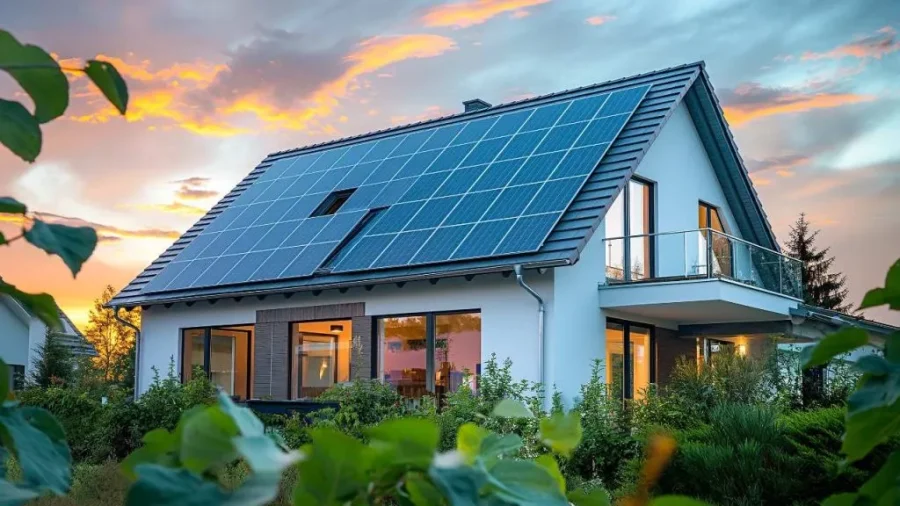
Understanding the size of a standard solar panel is essential for anyone interested in solar energy. This section will break down the dimensions, how they relate to energy production, and common misconceptions about solar panel sizes.
What is a Standard Solar Panel Size?
The standard size for most residential solar panels is approximately 65 inches by 39 inches (or about 1.65 meters by 1 meter). These dimensions correspond to a typical 60-cell solar panel, which is the most common type used in residential installations.
Key Measurements
Here are some key measurements and specifications related to standard solar panels:
| Panel Type | Dimensions (inches) | Power Output (watts) |
|---|---|---|
| Standard 60-cell Panel | 65 x 39 | 250 – 300 |
| Standard 72-cell Panel | 78 x 39 | 300 – 400 |
| Thin-Film Panel | Varies | 100 – 200 |
How Solar Panel Size Affects Energy Production
The size of a solar panel directly influences how much energy it can produce. Here’s how it works:
- Surface Area: A larger panel has more surface area to capture sunlight, which can lead to higher energy production.
- Cell Count: More cells typically mean more energy output. For example, a 72-cell panel will generally produce more energy than a 60-cell panel.
- Efficiency Ratings: The efficiency of a solar panel indicates how well it converts sunlight into electricity. Higher efficiency panels can produce more energy even if they are smaller in size.
Understanding Efficiency Ratings
Efficiency ratings are crucial when discussing solar panel sizes. Here are some key terms:
- Efficiency: This refers to the percentage of sunlight that a solar panel can convert into usable electricity. For instance, a panel with 20% efficiency converts 20% of the sunlight it receives into energy.
- Wattage: This indicates the power output of a solar panel. Higher wattage means more energy production.
- Temperature Coefficient: This measures how much a panel’s efficiency decreases as temperatures rise. Panels with a lower temperature coefficient perform better in hot conditions.
Common Misconceptions About Solar Panel Size
There are several misconceptions regarding solar panel sizes that can lead to confusion:
- All Panels are the Same Size: Many assume that all solar panels are the same size. In reality, they come in various dimensions and configurations.
- Larger Panels are Always Better: While larger panels can produce more energy, they may not be suitable for every installation due to space constraints.
- Efficiency is Only About Size: Efficiency also depends on technology, materials, and design, not just the size of the panel.
Challenges and Considerations
When selecting solar panels, several challenges and considerations come into play:
- Space Limitations: Homeowners with limited roof space may need to prioritize efficiency over size to maximize energy production.
- Installation Costs: Larger panels may seem more cost-effective, but installation costs can vary based on size and complexity.
- Local Regulations: Some areas have restrictions on the size and number of panels that can be installed, which can affect choices.
Technical Aspects of Solar Panel Size
Understanding the technical aspects of solar panel size can help clarify their impact on performance:
- Solar Cell Technology: Different technologies, such as monocrystalline, polycrystalline, and thin-film, have varying efficiencies and sizes.
- Panel Weight: Larger panels are generally heavier, which can affect installation methods and structural requirements.
- Orientation and Tilt: The angle at which panels are installed can affect how much sunlight they capture, influencing the overall energy output.
This section has provided a beginner-friendly overview of the size of standard solar panels, how size affects energy production, and common misconceptions. Understanding these aspects is crucial for anyone considering solar energy as a viable option.
Common Downsides, Myths, and Misconceptions About Solar Panel Size
While solar energy is often touted as a clean and renewable resource, there are several misconceptions and downsides associated with the size of standard solar panels. Understanding these can help potential buyers make informed decisions.
Common Downsides of Solar Panel Size
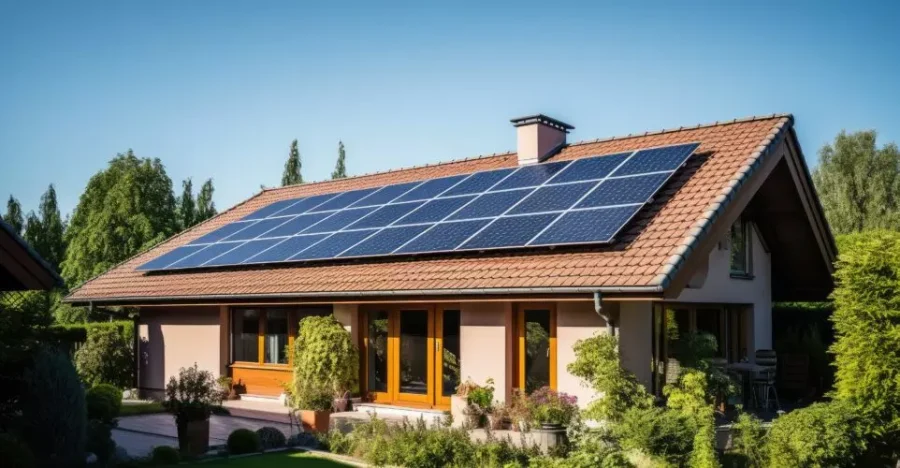
- Space Limitations: One of the most significant downsides is that larger panels require more installation space. For homeowners with limited roof space, fitting enough panels to meet energy needs can be challenging. For example, a typical home may require 20-30 panels to cover its energy consumption, which may not be feasible on smaller roofs.
- Weight Concerns: Larger solar panels can be heavier, which may lead to structural concerns for older roofs. Homeowners may need to invest in roof reinforcement, adding to installation costs.
- Higher Initial Costs: Larger panels may seem cost-effective in terms of energy output, but they often come with a higher upfront price. This can deter potential buyers who are looking for budget-friendly options.
Myths and Misconceptions
Several myths surround the size of solar panels that can lead to misunderstandings:
- All Solar Panels Are the Same Size: Many people believe that solar panels come in one standard size. In reality, there are various sizes and configurations. For instance, while a standard residential panel is about 65 x 39 inches, commercial panels can be larger, measuring around 78 x 39 inches.
- More Panels Always Mean More Energy: While it’s true that more panels can increase energy production, the efficiency of each panel also matters. A smaller, high-efficiency panel may produce more energy than a larger, less efficient one.
- Size Equals Quality: Some consumers mistakenly equate larger panels with better quality. However, the quality of solar panels depends on the materials and technology used, not just their size.
Statistics and Case Studies
To further illustrate the misconceptions and downsides, consider the following statistics and case studies:
- Energy Output Variability: According to the U.S. Department of Energy, the average efficiency of solar panels has increased from about 15% in 2010 to over 20% in recent years. This means that smaller, more efficient panels can produce the same amount of energy as larger, less efficient ones.
- Case Study – Rooftop Installations: A case study in California showed that a homeowner with a small roof opted for high-efficiency solar panels. Despite having fewer panels, they were able to meet their energy needs without compromising on space.
- Cost Analysis: A study by the National Renewable Energy Laboratory (NREL) found that while larger panels may have a lower price per watt, the total installation cost can rise due to structural modifications needed for heavier panels.
FAQ Section: Common Questions About Solar Panel Size
What is the average size of a residential solar panel?
The average size of a residential solar panel is approximately 65 inches by 39 inches (1.65 meters by 1 meter).
Do larger solar panels produce more energy?
Generally, larger solar panels can produce more energy due to their increased surface area. However, the efficiency of the panel also plays a crucial role.
Are all solar panels the same size?
No, solar panels come in various sizes. Residential panels typically measure around 65 x 39 inches, while commercial panels can be larger, measuring about 78 x 39 inches.
Can I install solar panels on a small roof?
Yes, you can install solar panels on a small roof, but you may need to choose high-efficiency panels to maximize energy production within the limited space.
Do larger panels cost more to install?
Larger panels can have a higher upfront cost, and their weight may require additional structural modifications, potentially increasing installation costs.