

How to Melt Snow on Solar Panels
As winter approaches, homeowners and businesses with solar panels face a common challenge: snow accumulation. Snow can significantly reduce the efficiency of solar panels, leading to decreased energy production and potential financial losses. Understanding how to effectively remove or melt snow from solar panels is crucial for maintaining optimal performance during the colder months.
This article is relevant for solar panel owners in regions that experience heavy snowfall, particularly in the northern United States. It addresses the primary search intent of individuals looking for practical solutions to manage snow on their solar installations. By implementing effective snow removal strategies, solar panel owners can ensure their systems operate at peak efficiency, maximizing their investment in renewable energy.
Why Snow on Solar Panels Matters
Snow accumulation on solar panels can lead to several issues:
- Reduced Energy Production: Snow blocks sunlight from reaching the solar cells, resulting in lower energy output.
- Potential Damage: Heavy snow can cause physical damage to panels or mounting systems if not addressed promptly.
- Increased Maintenance Costs: Neglecting snow removal can lead to more significant issues, requiring costly repairs or replacements.
Methods for Melting Snow on Solar Panels
There are several effective methods to melt or remove snow from solar panels. Each method has its advantages and considerations:
1. Solar Panel Heating Systems
One of the most effective ways to prevent snow accumulation is to install a solar panel heating system. These systems use electric heating elements or heated cables to warm the surface of the panels, causing snow to melt and slide off. Here are some key points:
- Cost: Installation costs can range from $500 to $2,000, depending on the system size and complexity.
- Energy Efficiency: These systems can be powered by the solar panels themselves, making them energy-efficient.
- Automatic Operation: Many systems can be automated to activate when temperatures drop, ensuring timely snow removal.
2. Manual Snow Removal
For those who prefer a more hands-on approach, manual snow removal can be effective. However, caution is essential to avoid damaging the panels:
- Use a Soft Roof Rake: A roof rake with a plastic blade can help remove snow without scratching the panel surface.
- Work from the Ground: Always try to remove snow from a safe distance, avoiding climbing on the roof.
- Timing is Key: Remove snow as soon as possible after a snowfall to prevent ice formation.
3. Natural Melting
Sometimes, allowing the sun to do the work is the best approach. If temperatures rise above freezing, the sun can naturally melt the snow:
- Panel Orientation: South-facing panels may melt snow faster due to increased sunlight exposure.
- Heat Retention: Dark-colored solar panels absorb heat more effectively, aiding in snow melting.
4. Chemical De-icers
Using chemical de-icers can be an option, but it requires careful consideration:
- Safe Chemicals: Ensure that the de-icer is safe for use on solar panels and will not cause damage.
- Environmental Impact: Consider the environmental effects of the chemicals used.
Safety Considerations
While removing snow from solar panels, safety should always be a priority:
- Wear Proper Gear: Use non-slip footwear and appropriate clothing to prevent slips and falls.
- Use Caution with Ladders: If using a ladder, ensure it is stable and positioned correctly.
- Assess Weather Conditions: Avoid snow removal during severe weather or high winds.
Understanding how to effectively melt snow on solar panels is essential for maintaining their efficiency during winter months. By employing various methods, from heating systems to manual removal, solar panel owners can ensure their systems continue to perform optimally, even in snowy conditions.
Understanding How to Melt Snow on Solar Panels
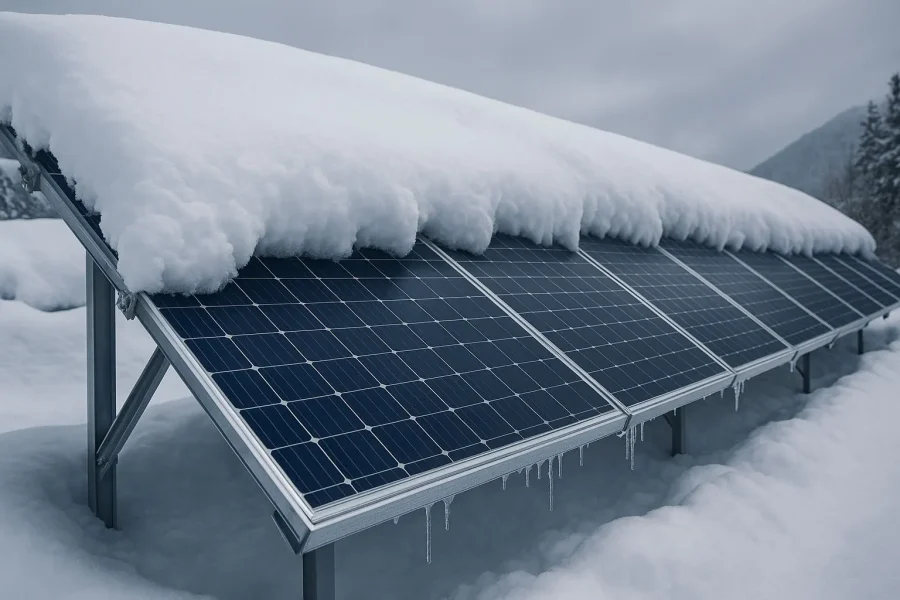
Snow accumulation on solar panels can be a significant issue for solar energy users, especially in regions with harsh winters. Knowing how to effectively melt or remove snow from solar panels is essential for maintaining their efficiency and ensuring optimal energy production. This section provides a clear, beginner-friendly explanation of the methods and principles involved in melting snow on solar panels.
How Solar Panels Work
Before diving into snow removal methods, it’s important to understand how solar panels generate electricity. Solar panels convert sunlight into electricity through a process called the photovoltaic effect. Here’s a step-by-step breakdown of how this works:
- Sunlight Absorption: Solar panels are made of photovoltaic cells that absorb sunlight. The cells are typically made of silicon, which is a semiconductor material.
- Electron Excitation: When sunlight hits the silicon cells, it excites electrons, knocking them loose from their atoms.
- Electric Current Generation: The movement of these free electrons creates an electric current. This current is captured by metal conductive plates on the sides of the cells.
- Inverter Conversion: The direct current (DC) generated by the solar panels is sent to an inverter, which converts it to alternating current (AC) for use in homes and businesses.
- Energy Usage: The generated electricity can be used immediately, stored in batteries, or fed back into the grid.
Why Snow Affects Solar Panel Efficiency
Snow on solar panels blocks sunlight, which directly impacts their ability to generate electricity. Here are some key points to understand:
- Light Obstruction: Snow acts as a barrier, preventing sunlight from reaching the photovoltaic cells.
- Temperature Effects: Cold temperatures can also affect the efficiency of solar panels, although they can still produce electricity in cold conditions if sunlight is available.
- Ice Formation: If snow melts and refreezes, it can create ice on the panels, further obstructing sunlight and potentially causing damage.
Methods to Melt Snow on Solar Panels
There are various methods to melt snow on solar panels, each with its own advantages and considerations. Below are the most common methods explained in simple terms:
1. Solar Panel Heating Systems
Heating systems are designed to prevent snow accumulation by warming the surface of the panels. Here’s how they work:
- Electric Heating Cables: These cables are installed on or around the panels and generate heat when electricity flows through them.
- Thermostatic Control: Many systems include a thermostat that activates the heating cables when temperatures drop, ensuring snow melts quickly.
- Energy Source: The heating system can often be powered by the solar panels themselves, making it an efficient option.
2. Manual Snow Removal Techniques
For those who prefer a hands-on approach, manual snow removal can be effective. Here are some techniques:
- Soft Roof Rake: Using a roof rake with a plastic blade allows you to gently slide snow off the panels without scratching them.
- Working from the Ground: Always try to remove snow while standing on the ground to avoid the risks associated with climbing on roofs.
- Timing: Remove snow shortly after it falls to prevent it from compacting and turning into ice.
3. Natural Melting
Sometimes, the sun can do the work for you. Here’s how natural melting occurs:
- Sunlight Exposure: South-facing panels typically receive more sunlight, which can help melt snow faster.
- Temperature Changes: If the temperature rises above freezing, the snow will naturally begin to melt, especially if the panels are dark-colored and absorb heat.
4. Chemical De-icers
Using chemical de-icers can be another option, but it requires caution:
- Safe Chemicals: Ensure that the de-icer is safe for use on solar panels and will not cause damage to the surface.
- Environmental Considerations: Be mindful of the environmental impact of the chemicals used and their potential effects on surrounding areas.
Challenges and Risks
While there are effective methods for melting snow on solar panels, several challenges and risks should be considered:
- Panel Damage: Using hard tools or improper techniques can scratch or damage the panels, leading to costly repairs.
- Safety Risks: Climbing on roofs or using ladders can pose safety hazards. Always prioritize safety when attempting snow removal.
- Cost of Heating Systems: Installing heating systems can be expensive, with costs ranging from $500 to $2,000, depending on the system.
Technical Aspects of Solar Panel Efficiency
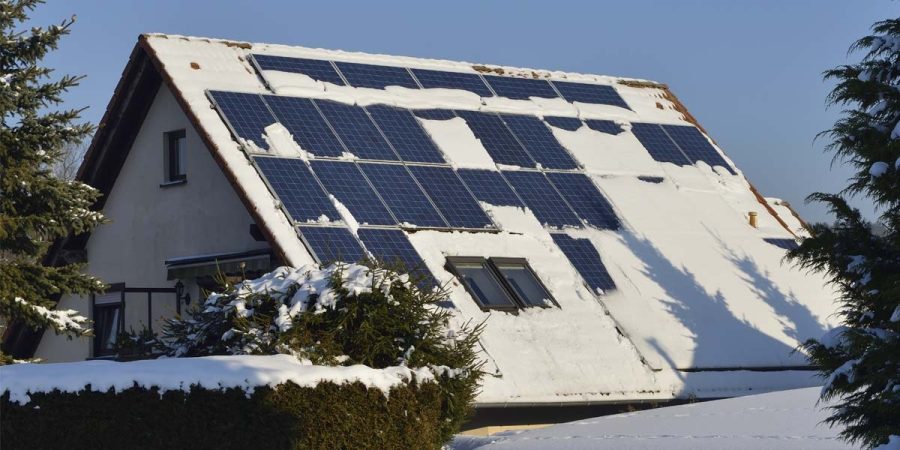
Understanding the technical aspects of solar panel efficiency can help you appreciate the importance of snow removal:
| Aspect | Description |
|---|---|
| Photovoltaic Effect | The process by which solar panels convert sunlight into electricity. |
| Efficiency Rating | The percentage of sunlight that a solar panel can convert into usable electricity, typically ranging from 15% to 22% for residential panels. |
| Temperature Coefficient | A measure of how much a solar panel’s efficiency decreases as temperatures rise; most panels lose about 0.5% efficiency for every degree Celsius above 25°C (77°F). |
| Angle of Installation | The tilt of solar panels can affect snow shedding; steeper angles help snow slide off more easily. |
By understanding these principles and methods, solar panel owners can take proactive steps to manage snow accumulation effectively, ensuring their systems remain efficient throughout the winter months.
Common Downsides, Myths, and Misconceptions About Melting Snow on Solar Panels
While snow on solar panels can be a significant concern for solar energy users, there are several myths and misconceptions surrounding the best practices for snow removal. Addressing these common downsides and misunderstandings is crucial for solar panel owners to make informed decisions about maintaining their systems during winter months.
Common Downsides of Snow Removal Methods
Each method for melting or removing snow from solar panels comes with its own set of downsides:
- Heating Systems: While effective, the installation of heating systems can be costly, ranging from $500 to $2,000. Additionally, they require electricity to operate, which can negate some of the energy savings from the solar panels themselves.
- Manual Removal: Manual snow removal can be labor-intensive and risky. Climbing on roofs or using ladders poses safety hazards, and improper techniques can damage the panels.
- Chemical De-icers: The use of chemical de-icers can be harmful to the environment and may damage the solar panels if not used correctly. There is also a risk of runoff affecting nearby plants or water sources.
Myths and Misconceptions
Several myths about snow on solar panels can lead to poor decision-making:
1. Myth: Solar Panels Are Completely Ineffective in Winter
Many people believe that solar panels do not produce any energy during winter months. In reality, solar panels can still generate electricity in cold weather, as long as there is sunlight. In fact, the efficiency of solar panels can increase in cooler temperatures, making them capable of producing energy even when covered in snow.
2. Myth: Snow Will Slide Off Solar Panels Automatically
While it is true that snow can slide off solar panels, this is not guaranteed. The angle of installation, the type of snow, and temperature conditions all play a role in whether snow will naturally slide off. In many cases, snow can become compacted and form ice, which can block sunlight and reduce energy production.
3. Myth: All Solar Panels Are the Same
Not all solar panels are created equal. Different brands and models have varying efficiencies, designs, and materials that can impact how they handle snow. Some panels are designed with features that promote snow shedding, while others may not perform as well in snowy conditions.
Statistics and Case Studies
Understanding the impact of snow on solar panels can be illustrated through statistics and case studies:
- Efficiency Loss: Studies show that solar panels can lose up to 30% of their efficiency when covered in snow. This highlights the importance of timely snow removal to maximize energy production.
- Case Study – Minnesota: In Minnesota, a homeowner reported a 40% drop in energy production during a particularly snowy winter. After installing a heating system, they saw a significant improvement in energy output, demonstrating the effectiveness of proactive snow management.
- Case Study – Colorado: A solar farm in Colorado implemented a manual snow removal strategy that involved using soft rakes. They reported a 25% increase in energy production compared to previous winters when snow was left to accumulate.
Frequently Asked Questions (FAQ)
1. Can I use a shovel to remove snow from my solar panels?
Using a shovel is not recommended, as it can scratch or damage the surface of the panels. Instead, opt for a soft roof rake designed for snow removal.
2. Will the snow melt on its own if the sun comes out?
Snow can melt on its own if temperatures rise above freezing and there is sufficient sunlight. However, this is not guaranteed, especially if the snow has compacted or turned to ice.
3. Are heating systems worth the investment?
Heating systems can be a worthwhile investment for those in areas with heavy snowfall, as they can significantly improve energy production. However, consider the installation costs and ongoing energy usage before deciding.
4. How often should I check my solar panels for snow accumulation?
During winter months, it’s advisable to check your solar panels after each snowfall, especially if significant accumulation occurs. Prompt removal can help maintain energy efficiency.
5. Can I use salt or other chemicals to melt snow on my solar panels?
Using salt or harsh chemicals is not recommended, as they can damage the panels and harm the environment. If you choose to use a de-icer, ensure it is specifically designed for use on solar panels and is environmentally safe.