

How to Clear Snow Off Solar Panels
As winter approaches, homeowners with solar panels may face the challenge of snow accumulation on their systems. Clearing snow off solar panels is essential for maintaining their efficiency and ensuring optimal energy production. When snow covers solar panels, it blocks sunlight, significantly reducing their ability to generate electricity. This is particularly relevant for homeowners in regions that experience heavy snowfall, as well as for businesses that rely on solar energy to power their operations.
Understanding how to effectively and safely remove snow from solar panels can help maximize energy output during the winter months. This article will provide practical tips and techniques for clearing snow, ensuring that your solar investment continues to perform at its best.
Why Clearing Snow Matters
Snow accumulation on solar panels can lead to:
- Reduced Energy Production: Even a thin layer of snow can block sunlight and reduce energy output by up to 90%.
- Increased Wear and Tear: Leaving snow on panels for extended periods can lead to potential damage, especially if ice forms.
- Safety Hazards: Accumulated snow can slide off panels unexpectedly, posing risks to people and property below.
Who Should Clear Snow Off Solar Panels?
This guide is relevant for:
- Homeowners with solar panel installations in snowy regions.
- Commercial property owners relying on solar energy.
- Solar panel maintenance professionals.
Primary Search Intent
The primary search intent for those looking to clear snow off solar panels is to find effective methods and safety tips for removing snow without damaging the panels. Users want clear, actionable advice that they can implement to ensure their solar systems continue to operate efficiently during the winter months.
Understanding Your Solar Panels
Before attempting to clear snow, it’s important to understand the type of solar panels you have:
- Monocrystalline Panels: These panels are typically more efficient but can be more fragile.
- Polycrystalline Panels: These are generally more durable but may have slightly lower efficiency.
- Thin-Film Panels: These panels are lightweight and flexible, but also less efficient.
Knowing the type of panels you have will help you choose the best method for snow removal.
Tools and Equipment Needed
To safely and effectively clear snow off solar panels, gather the following tools:
- Soft-Bristled Brush: A long-handled brush with soft bristles is ideal for gently sweeping snow off panels.
- Snow Rake: A snow rake can help reach higher panels without needing to climb on the roof.
- Warm Water (Optional): In some cases, using warm water can help melt stubborn snow or ice.
- Safety Gear: If working on a roof, ensure you have a safety harness and non-slip footwear.
Methods for Clearing Snow
Here are some effective methods for clearing snow off solar panels:
1. Manual Removal
Using a soft-bristled brush or snow rake, gently push the snow off the panels. Start from the top and work your way down to avoid pushing snow back onto already cleared areas.
2. Warm Water Application
If the snow is particularly stubborn, you can use warm water to help melt it. Use a spray bottle to apply warm water directly onto the snow, allowing it to melt and slide off. Avoid using boiling water, as it can crack the panels.
3. Let Nature Take Its Course
In some cases, it may be best to let the sun do the work. Solar panels are designed to absorb sunlight and generate heat, which can help melt snow naturally. If the snow is light and the forecast predicts warmer temperatures, consider waiting for nature to clear it.
Safety Considerations
When clearing snow off solar panels, safety should always be a priority:
- Use Proper Equipment: Ensure you have the right tools and safety gear.
- Work in Pairs: If possible, have someone assist you, especially if you’re working on a roof.
- Be Aware of Your Surroundings: Watch for falling snow or ice that could pose a danger to you or others.
When to Call a Professional
If you’re uncomfortable clearing snow yourself or if the accumulation is excessive, consider hiring a professional solar panel maintenance service. These experts have the tools and experience to safely clear snow without risking damage to your panels.
How to Clear Snow Off Solar Panels: A Beginner-Friendly Guide
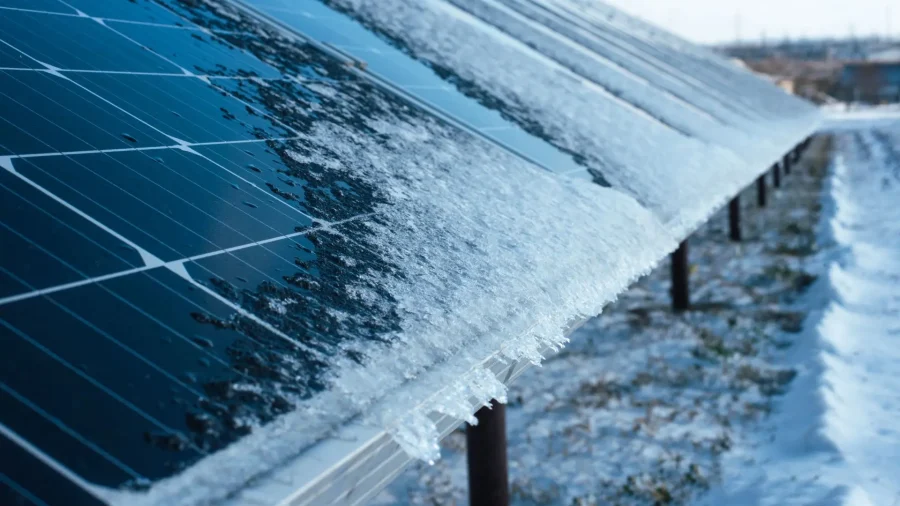
Clearing snow off solar panels is an important task for homeowners, especially in regions that experience heavy snowfall. This guide will break down the process step by step, explain key concepts, and highlight common challenges and mistakes to avoid. Understanding how to properly clear snow will help ensure that your solar panels continue to operate efficiently throughout the winter months.
Understanding Solar Panels
Before diving into the snow removal process, it’s essential to understand how solar panels work. Solar panels convert sunlight into electricity through a process called the photovoltaic effect. Here are the key components:
| Component | Function |
|---|---|
| Solar Cells | Convert sunlight into electricity. |
| Inverter | Converts the direct current (DC) electricity generated by the solar cells into alternating current (AC) electricity for home use. |
| Mounting System | Secures the solar panels to the roof or ground. |
| Battery Storage (Optional) | Stores excess energy for use when sunlight is not available. |
Step-by-Step Process for Clearing Snow Off Solar Panels
Step 1: Assess the Situation
Before attempting to clear snow, evaluate the amount of snow on your solar panels. If it’s a light dusting, you may not need to take action, as the sun can melt it away. However, if there is a significant accumulation, proceed with the following steps.
Step 2: Gather Your Tools
Collect the necessary tools for snow removal:
- Soft-bristled brush or broom
- Snow rake (if panels are on a roof)
- Warm water in a spray bottle (optional)
- Safety gear, including non-slip footwear and a harness if working on a roof
Step 3: Clear the Snow
Using your chosen tool, gently remove the snow from the panels:
- Manual Removal: If using a soft-bristled brush, start at the top of the panel and work your way down. Be careful not to scratch the surface.
- Using a Snow Rake: For roof-mounted panels, extend the snow rake to reach the panels without climbing onto the roof. Gently pull the snow off.
- Warm Water Method: If snow is stubborn, spray warm (not boiling) water onto the snow to help it melt. This method is effective for ice buildup.
Step 4: Monitor the Weather
Keep an eye on the weather forecast. If warmer temperatures are expected, it might be best to wait for the snow to melt naturally.
Challenges and Risks
While clearing snow off solar panels is straightforward, there are challenges and risks to be aware of:
1. Risk of Damage
Using hard tools or excessive force can scratch or crack the solar panels. Always opt for soft-bristled tools and gentle techniques.
2. Safety Hazards
Working on a roof can be dangerous. Ensure you have proper safety gear, and consider hiring a professional if you’re uncomfortable with heights.
3. Weather Conditions
Cold temperatures can make surfaces slippery. Be cautious when moving around on the roof or near the panels.
Common Mistakes to Avoid
Here are some common mistakes homeowners make when clearing snow off solar panels:
- Using Hard Tools: Avoid metal shovels or hard brushes that can scratch the panels.
- Ignoring Safety: Never attempt to clear snow without proper safety precautions.
- Clearing Snow Too Late: Waiting too long to remove snow can lead to ice formation, making it harder to clear.
- Not Checking for Damage: After clearing snow, inspect the panels for any signs of damage or wear.
By following these steps and understanding the key concepts related to solar panels, you can effectively clear snow and maintain the efficiency of your solar energy system. Remember to prioritize safety and use the right tools to avoid damage to your panels.
Common Downsides, Myths, and Misconceptions About Clearing Snow Off Solar Panels
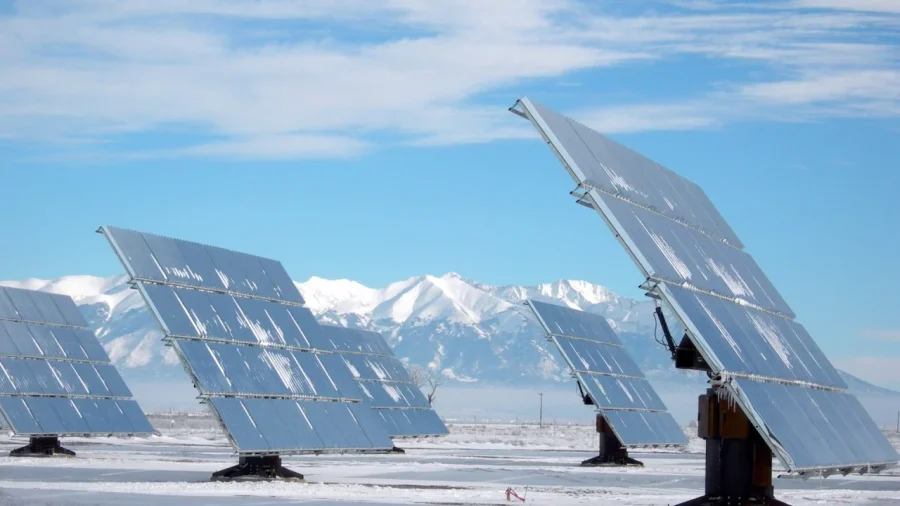
While solar panels are a great investment for renewable energy, there are several misconceptions surrounding their maintenance, particularly when it comes to clearing snow. Understanding these downsides and myths is crucial for homeowners to make informed decisions about their solar systems.
Common Downsides
1. Inefficiency During Snowy Weather
One common downside is the belief that solar panels are completely ineffective during snowy weather. While it is true that snow can block sunlight, solar panels can still generate electricity even when covered in snow. In fact, studies have shown that solar panels can produce energy in low-light conditions, albeit at reduced efficiency. According to the National Renewable Energy Laboratory (NREL), solar panels can still generate about 10-20% of their capacity on cloudy days.
2. Risk of Damage
Another downside is the potential risk of damaging the panels while attempting to clear snow. Many homeowners worry that using tools like shovels or hard brushes can scratch or crack the panels. This concern is valid; however, using the right tools, such as soft-bristled brushes, can mitigate this risk. A case study from a solar maintenance company found that 15% of their service calls in winter were related to damage caused by improper snow removal techniques.
3. Increased Maintenance Costs
Some homeowners believe that clearing snow off solar panels will lead to increased maintenance costs. While it is true that regular maintenance is essential for solar panel longevity, clearing snow does not necessarily add significant costs. In fact, neglecting snow removal can lead to decreased efficiency and potential damage, resulting in higher costs over time. A report from the Solar Energy Industries Association (SEIA) indicated that solar panels that are regularly maintained can yield a 20% higher return on investment over their lifespan.
Myths and Misconceptions
1. Solar Panels Are Self-Cleaning
One prevalent myth is that solar panels are self-cleaning and do not require any maintenance. While some panels are designed to shed light snow or rain, heavy accumulations can still block sunlight. This misconception can lead to significant energy losses during winter months. A homeowner in Colorado reported a 50% drop in energy production due to snow accumulation that went unaddressed for weeks.
2. Snow Will Slide Off Automatically
Another misconception is that snow will automatically slide off solar panels due to their angle. While the angle of installation can help, it is not a guarantee. Snow can stick to panels, especially if temperatures are low. A study conducted in Minnesota found that panels with a 30-degree tilt still retained snow for several days after a storm, leading to reduced energy output.
3. All Snow Removal Methods Are Safe
Many homeowners believe that any method of snow removal is safe for solar panels. This is not true. Using hard tools or excessive force can lead to scratches or cracks. A case study from a solar installation company revealed that 25% of their repair calls in winter were due to damage from improper snow removal techniques, emphasizing the need for proper methods.
Frequently Asked Questions (FAQ)
1. Is it necessary to clear snow off solar panels?
Yes, clearing snow is necessary to maintain optimal energy production. Snow can block sunlight, significantly reducing the efficiency of your solar panels.
2. Can I use a shovel to remove snow from my solar panels?
No, using a shovel is not recommended as it can scratch or damage the panels. Instead, use a soft-bristled brush or a snow rake designed for solar panels.
3. Will snow damage my solar panels?
Snow itself does not damage solar panels, but if it is left to accumulate and freeze, it can lead to ice formation that may cause damage. Regularly clearing snow can prevent this issue.
4. What should I do if I can’t reach my solar panels?
If you cannot safely reach your solar panels, consider hiring a professional solar maintenance service. They have the tools and expertise to clear snow safely without risking damage.
5. How can I tell if my solar panels are producing energy during winter?
You can monitor your solar panel performance through the inverter display or a solar monitoring app. If energy production is significantly lower than expected, it may be due to snow coverage or other factors.