
Understanding Solar Panel Depreciation
Solar panels are a significant investment for both residential and commercial property owners. As the adoption of renewable energy sources continues to rise, understanding how to depreciate solar panels becomes crucial for financial planning and tax purposes. Depreciation refers to the reduction in value of an asset over time, and for solar panels, this process can have substantial implications for your tax liabilities and overall return on investment.
Why Depreciation Matters
Depreciating solar panels allows property owners to recover the cost of their investment over time through tax deductions. This is particularly relevant for businesses that utilize solar energy, as they can significantly reduce their taxable income. For homeowners, understanding depreciation can help in assessing the long-term value of their solar investment.
Who Should Care About Solar Panel Depreciation?
Several groups should pay attention to solar panel depreciation:
- Homeowners: Individuals who install solar panels on their homes can benefit from tax credits and deductions.
- Business Owners: Companies that invest in solar energy systems can leverage depreciation to lower their taxable income.
- Investors: Those considering investing in solar energy projects need to understand how depreciation affects overall returns.
- Tax Professionals: Accountants and tax advisors should be knowledgeable about solar panel depreciation to assist their clients effectively.
How Many Years Do You Depreciate Solar Panels?
Standard Depreciation Period
In the United States, the Internal Revenue Service (IRS) allows for a depreciation period of 5 years for solar energy systems under the Modified Accelerated Cost Recovery System (MACRS). This accelerated depreciation method enables property owners to recover their investment more quickly compared to traditional straight-line depreciation methods.
Eligibility for MACRS
To qualify for MACRS depreciation, solar panels must meet specific criteria:
- The solar energy system must be installed and operational.
- The system must be used for business or income-generating purposes.
- The property must be owned by the taxpayer claiming the depreciation.
Bonus Depreciation
In addition to the standard 5-year depreciation, property owners may also be eligible for bonus depreciation. As of recent tax laws, businesses can take a bonus depreciation of 100% in the first year of the solar panel installation. This means that if you install a solar energy system for $50,000, you could potentially deduct the entire amount in the year of installation.
Residential Solar Depreciation
For residential solar panel installations, the rules differ slightly. Homeowners cannot take advantage of MACRS depreciation unless they are using the solar system for a business purpose. However, they can benefit from the federal solar investment tax credit (ITC), which allows them to deduct a percentage of the installation costs from their federal taxes.
State-Specific Depreciation Rules
While federal guidelines provide a framework for solar panel depreciation, individual states may have their own rules and incentives. Some states offer additional tax credits, rebates, or incentives that can further enhance the financial benefits of installing solar panels. It is essential to consult local regulations and tax professionals to understand the specific depreciation rules applicable in your state.
Impact on Financial Planning
Understanding how many years to depreciate solar panels is vital for effective financial planning. By accurately accounting for depreciation, property owners can:
- Reduce taxable income and lower tax liabilities.
- Improve cash flow by maximizing tax benefits.
- Make informed decisions about future investments in renewable energy.
Record Keeping and Documentation
Proper documentation is essential for claiming depreciation on solar panels. Property owners should maintain records of:
- The purchase price of the solar panels and installation costs.
- Invoices and receipts related to the solar energy system.
- Any relevant tax forms and schedules submitted to the IRS.
Consulting a Tax Professional
Given the complexities of tax laws and depreciation, consulting a tax professional is advisable. They can provide tailored advice based on your specific situation, ensuring that you maximize your tax benefits while remaining compliant with IRS regulations.
Depreciating Solar Panels: A Beginner’s Guide
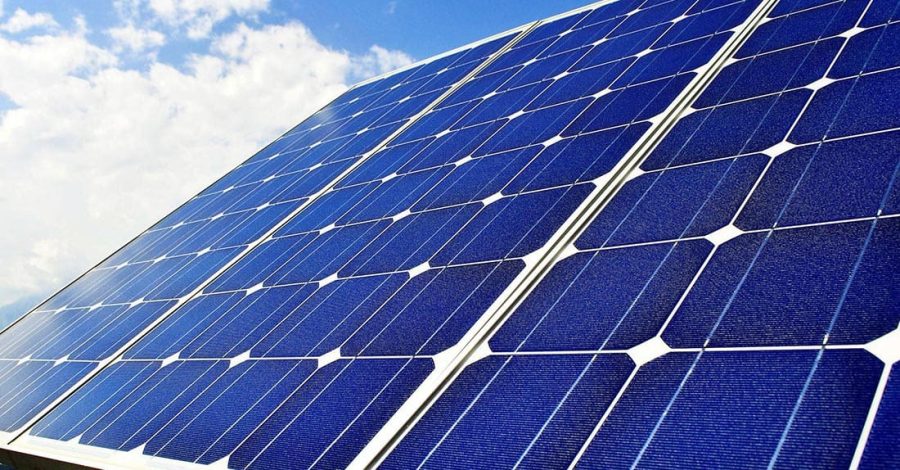
Understanding how to depreciate solar panels is essential for anyone considering investing in solar energy. Depreciation is the process of allocating the cost of an asset over its useful life. For solar panels, this means determining how many years you can spread out the cost for tax purposes. This guide will break down the concept of depreciation, how it applies to solar panels, and the steps involved in the process.
What is Depreciation?
Depreciation is an accounting method used to allocate the cost of a tangible asset over its useful life. This allows businesses and individuals to recover the cost of the asset through tax deductions. For solar panels, depreciation is particularly relevant because it can significantly impact your tax liabilities and overall financial return on investment.
How Many Years Do You Depreciate Solar Panels?
In the United States, the IRS allows solar panels to be depreciated over a period of 5 years using the Modified Accelerated Cost Recovery System (MACRS). This method enables property owners to recover their investment more quickly than traditional depreciation methods.
Key Terms to Understand
- MACRS: A method of accelerated depreciation that allows for a faster recovery of the cost of an asset.
- Bonus Depreciation: An additional deduction that allows businesses to deduct a significant percentage of the cost in the first year of purchase.
- Investment Tax Credit (ITC): A federal tax credit that allows homeowners to deduct a percentage of the installation costs of solar panels from their federal taxes.
Step-by-Step Process of Depreciating Solar Panels
Here’s a simple breakdown of how to depreciate solar panels:
- Determine Eligibility: Ensure that your solar panel system qualifies for MACRS depreciation. This typically requires that the system is installed for business use.
- Calculate the Cost: Add up the total cost of the solar panel system, including installation, permits, and any additional equipment.
- Choose a Depreciation Method: Decide whether to use MACRS or another method. For most solar installations, MACRS is the most beneficial.
- Apply the Depreciation Rate: For MACRS, apply the appropriate depreciation rates for each year over the 5-year period. The IRS provides a depreciation schedule for this purpose.
- Claim Deductions: When filing taxes, claim the depreciation deductions on your tax return. Ensure you have all necessary documentation to support your claims.
Common Mistakes in Depreciating Solar Panels
Understanding the depreciation process can be complex, and there are common pitfalls that property owners should avoid:
- Not Keeping Accurate Records: Failing to maintain proper documentation of costs and installation can lead to issues when claiming deductions.
- Ignoring State-Specific Rules: Each state may have its own regulations regarding solar panel depreciation and tax credits. Be sure to research local laws.
- Misunderstanding Business Use: If solar panels are installed for personal use, they may not qualify for MACRS depreciation. Ensure you understand the distinction.
Technical Aspects of Solar Panel Depreciation
To further understand how depreciation works, it’s essential to grasp some technical aspects:
| Aspect | Description |
|---|---|
| Useful Life | The IRS considers the useful life of solar panels to be 5 years for depreciation purposes. |
| Accelerated Depreciation | MACRS allows for faster recovery of costs, enabling larger deductions in the early years of the asset’s life. |
| Tax Benefits | Depreciation can significantly reduce taxable income, leading to lower tax bills. |
| Investment Tax Credit (ITC) | Homeowners can deduct a percentage of the installation costs from their federal taxes, enhancing the financial return on investment. |
Challenges and Risks
While depreciation offers financial benefits, there are challenges and risks associated with it:
- Changes in Tax Laws: Tax regulations can change, affecting the benefits of depreciation and credits.
- Market Fluctuations: The value of solar panels may decrease over time due to technological advancements or market conditions.
- Complexity of Tax Filing: The process of claiming depreciation can be complicated, requiring careful attention to detail and understanding of tax laws.
Understanding how to depreciate solar panels is essential for maximizing the financial benefits of your investment. By following the steps outlined and being aware of common mistakes, property owners can effectively navigate the depreciation process and take full advantage of available tax benefits.
Common Downsides and Misconceptions About Depreciating Solar Panels
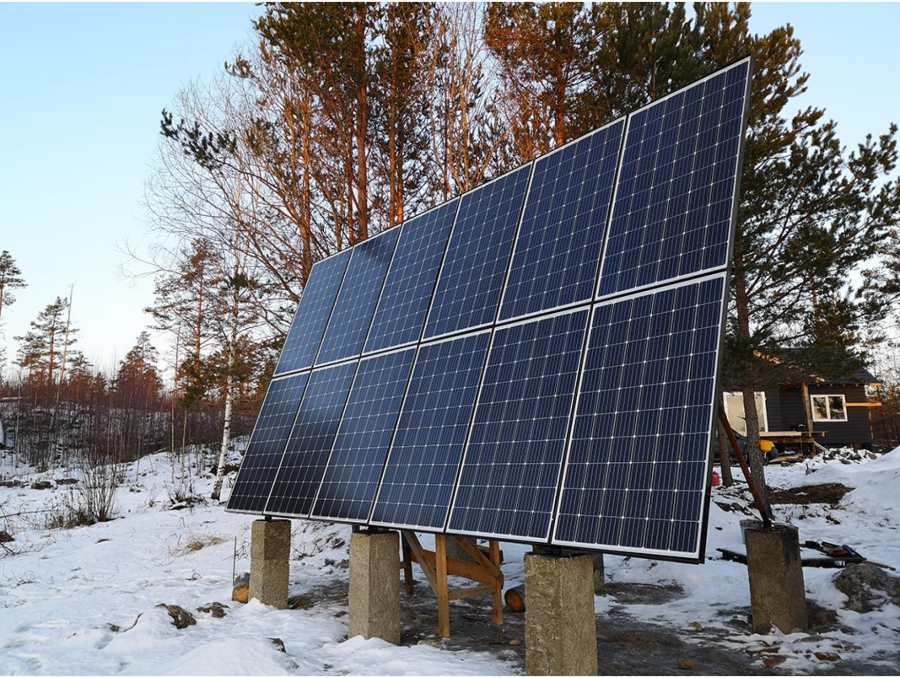
While the financial benefits of depreciating solar panels are significant, there are also downsides, myths, and misconceptions that can cloud understanding. Addressing these issues is crucial for anyone considering investing in solar energy. Below, we will explore common downsides and misconceptions, supported by relevant examples and statistics.
Common Downsides
- Complexity of Tax Regulations: The tax code surrounding solar panel depreciation can be complicated. Many property owners may find it challenging to navigate the rules, leading to missed opportunities for deductions. For instance, a business owner may not realize they qualify for MACRS and miss out on significant tax savings.
- Initial Costs: Although solar panels can save money in the long run, the initial investment can be substantial. For example, a typical residential solar panel installation can cost between $15,000 and $30,000 before tax credits. This upfront cost can deter potential buyers, even though depreciation and tax credits can offset these expenses over time.
- Potential for Reduced Value: As technology advances, older solar panels may depreciate in value faster than anticipated. A study by the National Renewable Energy Laboratory (NREL) found that solar panel efficiency improves over time, which can make older systems less desirable in the market.
Myths and Misconceptions
- Myth: Solar Panels Are Not Worth Depreciating: Some believe that the benefits of depreciation are negligible. However, businesses can significantly reduce their taxable income through depreciation. For example, a company that invests $100,000 in solar panels can potentially save thousands in taxes over the first five years.
- Myth: You Can Only Depreciate Solar Panels for Business Use: While it’s true that MACRS is primarily for business use, homeowners can still benefit from the Investment Tax Credit (ITC), which allows them to deduct a percentage of their installation costs from federal taxes. This can provide substantial financial relief.
- Myth: Depreciation Is the Same as a Tax Credit: Many confuse depreciation with tax credits. While both reduce tax liabilities, they function differently. Depreciation spreads the cost of an asset over time, while tax credits provide a direct dollar-for-dollar reduction in tax owed.
Examples and Statistics
To further illustrate the benefits and misconceptions surrounding solar panel depreciation, consider the following examples:
- A small business in California invested $50,000 in solar panels. By utilizing MACRS, they were able to deduct approximately $10,000 in the first year alone, significantly reducing their taxable income. This demonstrates the immediate financial impact of depreciation.
- According to the Solar Energy Industries Association (SEIA), the average cost of solar installations has dropped by more than 70% since 2010. This reduction in cost, combined with depreciation benefits, makes solar energy more accessible and financially viable for both homeowners and businesses.
- A case study from a New York-based company showed that by claiming both the ITC and MACRS, they were able to recover 40% of their solar investment within the first year, showcasing the combined benefits of tax credits and depreciation.
Frequently Asked Questions (FAQ)
1. How long can I depreciate solar panels?
In the U.S., solar panels can typically be depreciated over a period of 5 years using the Modified Accelerated Cost Recovery System (MACRS).
2. Can homeowners benefit from solar panel depreciation?
Homeowners cannot use MACRS for personal solar installations but can benefit from the Investment Tax Credit (ITC), which allows them to deduct a percentage of installation costs from their federal taxes.
3. What is the difference between depreciation and tax credits?
Depreciation spreads the cost of an asset over its useful life, reducing taxable income over time. Tax credits provide a direct reduction in tax owed, offering immediate financial relief.
4. Are there any risks associated with depreciating solar panels?
Yes, risks include changes in tax laws that could affect depreciation benefits, as well as the potential for older solar technology to lose value as newer, more efficient systems become available.
5. What should I do if I’m unsure about how to depreciate my solar panels?
If you’re uncertain about the depreciation process, it’s advisable to consult a tax professional who can provide guidance tailored to your specific situation and ensure compliance with IRS regulations.