

How Many Solar Panels to Power a 3 Bedroom House
As the demand for renewable energy sources continues to rise, many homeowners are considering solar power as a viable option to reduce their energy bills and carbon footprint. For those living in a typical 3-bedroom house, understanding how many solar panels are needed to meet their energy needs is crucial. This information is relevant not only for homeowners looking to invest in solar energy but also for those interested in sustainability and energy independence.
Why It Matters
Determining the number of solar panels required to power a 3-bedroom house is essential for several reasons:
- Cost Efficiency: Knowing how many panels you need helps in budgeting for installation and long-term savings.
- Energy Independence: Homeowners can reduce reliance on the grid, leading to greater energy security.
- Environmental Impact: Solar energy contributes to reduced greenhouse gas emissions, making it a sustainable choice.
Primary Search Intent
The primary search intent behind the question “how many solar panels to power a 3-bedroom house” is to obtain a clear and accurate estimate of the number of solar panels required for a typical household of this size. This estimate can vary based on several factors, including energy consumption, geographic location, and the efficiency of the solar panels used.
Average Energy Consumption
On average, a 3-bedroom house in the U.S. consumes about 900 to 1,200 kWh per month. This translates to approximately 30 to 40 kWh per day. To determine how many solar panels are needed, it’s essential to first calculate the household’s daily energy consumption.
Calculating Solar Panel Requirements
To estimate the number of solar panels required, follow these steps:
- Determine Daily Energy Needs: For example, if your household consumes 30 kWh per day, this is your baseline.
- Understand Solar Panel Output: A typical solar panel produces between 250 to 400 watts of power. For this example, let’s assume an average output of 300 watts per panel.
- Calculate Daily Output per Panel: If a panel produces 300 watts, and assuming it receives about 5 hours of sunlight per day, the daily output per panel would be:
- 300 watts x 5 hours = 1,500 watt-hours or 1.5 kWh.
- Calculate Total Panels Needed: To find out how many panels are needed to meet the daily energy needs, divide the total daily consumption by the daily output per panel:
- 30 kWh (daily needs) ÷ 1.5 kWh (output per panel) = 20 panels.
Factors Influencing Solar Panel Requirements
Several factors can influence the number of solar panels needed:
- Geographic Location: Areas with more sunlight will require fewer panels than regions with less sun exposure.
- Energy Efficiency: Homes that are energy-efficient will require fewer panels to meet their needs.
- Panel Efficiency: Higher efficiency panels produce more energy, potentially reducing the number of panels needed.
- Seasonal Variations: Energy needs may fluctuate seasonally, affecting the number of panels required.
Cost Considerations
The cost of solar panels varies widely depending on the brand, efficiency, and installation costs. On average, the price of solar panels in the U.S. ranges from $2.50 to $3.50 per watt. Therefore, for a system requiring 20 panels at 300 watts each:
- Total system size: 20 panels x 300 watts = 6,000 watts or 6 kW.
- Estimated cost: 6,000 watts x $3.00 (average cost per watt) = $18,000.
In addition to the cost of panels, homeowners should also consider installation fees, permits, and potential incentives or rebates available in their state.
Understanding how many solar panels are needed to power a 3-bedroom house is a crucial step for homeowners considering solar energy. By calculating energy needs, considering various influencing factors, and evaluating costs, homeowners can make informed decisions about their solar investments.
Understanding How Many Solar Panels Are Needed to Power a 3 Bedroom House
For homeowners considering solar energy, determining how many solar panels are necessary to power a 3-bedroom house can seem daunting. This section will break down the process into simple steps, explain key concepts, and highlight common mistakes to avoid.
Step-by-Step Process to Determine Solar Panel Requirements
Step 1: Assess Your Energy Consumption
The first step is to understand how much energy your household uses. You can find this information on your electricity bill, which typically shows your monthly energy consumption in kilowatt-hours (kWh). For a 3-bedroom house, the average monthly consumption ranges from 900 to 1,200 kWh.
Step 2: Calculate Daily Energy Needs
To find your daily energy needs, divide your monthly consumption by 30 (the average number of days in a month). For example:
| Monthly Consumption (kWh) | Daily Consumption (kWh) |
|---|---|
| 900 | 30 |
| 1,200 | 40 |
Step 3: Understand Solar Panel Output
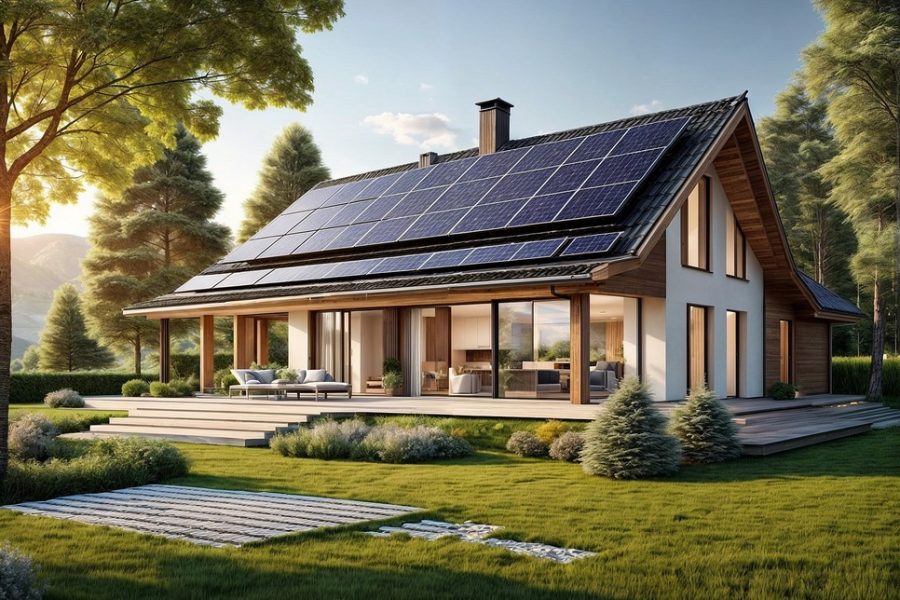
Next, you need to know how much energy a single solar panel can produce. Most residential solar panels generate between 250 to 400 watts of power. For this example, we will use an average output of 300 watts per panel.
Step 4: Calculate Daily Output per Panel
To determine how much energy one panel produces in a day, multiply the panel’s wattage by the number of sunlight hours it receives. In the U.S., the average is about 5 hours of sunlight per day. The calculation would be:
| Panel Wattage | Sunlight Hours | Daily Output (kWh) |
|---|---|---|
| 300 watts | 5 hours | 1.5 kWh |
Step 5: Calculate Total Panels Needed
Now, divide your daily energy needs by the daily output per panel to find out how many panels you need. For example, if your daily consumption is 30 kWh:
| Daily Consumption (kWh) | Daily Output per Panel (kWh) | Total Panels Needed |
|---|---|---|
| 30 | 1.5 | 20 |
Key Concepts Related to Solar Panels
Solar Panel Efficiency
Solar panel efficiency refers to the percentage of sunlight that a solar panel can convert into usable electricity. Higher efficiency panels produce more energy in less space, which can reduce the number of panels needed. Typical efficiencies range from 15% to 22%.
Geographic Location
Your location significantly impacts solar panel performance. Areas with more sunlight will require fewer panels compared to regions with less sun exposure. For example, states like California and Arizona receive more sunlight than states in the Northeast.
Inverter Types
Solar panels require inverters to convert the direct current (DC) electricity they produce into alternating current (AC) electricity, which is used in homes. There are two main types of inverters:
- String Inverters: Connect multiple panels in a series. They are cost-effective but can be less efficient if one panel is shaded.
- Microinverters: Attach to each panel individually, allowing for better performance in shaded areas but at a higher cost.
Common Mistakes to Avoid
Not Considering Seasonal Variations
Many homeowners forget that energy consumption can vary by season. For instance, air conditioning use in summer can significantly increase energy needs. It’s essential to account for these fluctuations when calculating solar panel requirements.
Ignoring Roof Orientation and Shading
The orientation of your roof and any shading from trees or buildings can affect solar panel performance. Ideally, panels should face south and be free from obstructions to maximize sunlight exposure.
Underestimating Installation Costs
Homeowners often overlook additional costs associated with solar panel installation, such as permits, labor, and equipment. It’s crucial to budget for these expenses to avoid surprises.
Technical Aspects of Solar Energy
Photovoltaic Effect
The photovoltaic effect is the process by which solar panels convert sunlight into electricity. When sunlight hits the solar cells in the panel, it excites electrons, creating a flow of electricity. This process is fundamental to how solar panels work.
Battery Storage Options
For homeowners who want to store excess energy for use during cloudy days or at night, battery storage systems are available. These systems can add to the overall cost but provide energy independence and reliability.
Net Metering
Net metering is a billing arrangement that allows homeowners with solar panels to receive credits for excess energy they generate and feed back into the grid. This can help offset costs and improve the return on investment for solar energy systems.
Common Downsides, Myths, and Misconceptions About Solar Panels for a 3 Bedroom House
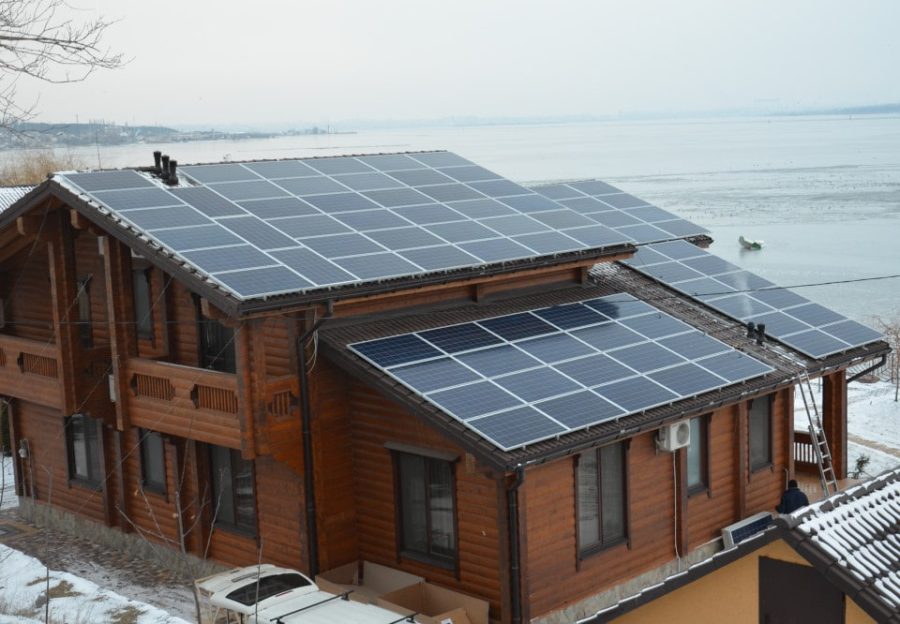
While solar energy is often hailed as a sustainable and cost-effective solution for powering homes, there are several downsides, myths, and misconceptions that can cloud judgment. Understanding these factors is crucial for homeowners considering solar panels for their 3-bedroom houses.
Common Downsides of Solar Panels
High Initial Costs
One of the most significant downsides of installing solar panels is the upfront cost. The average installation for a 3-bedroom house can range from $15,000 to $30,000, depending on the system size and local labor costs. While many homeowners see long-term savings on their energy bills, the initial investment can be a barrier for some.
Space Requirements
Solar panels require adequate roof space for installation. A typical 3-bedroom house may need 20 to 30 panels to meet its energy needs, which can take up a significant portion of the roof. Homes with small or shaded roofs may not be suitable for solar installations, limiting options for some homeowners.
Weather Dependency
Solar panels generate electricity based on sunlight exposure. In areas with frequent cloudy weather or heavy snowfall, the efficiency of solar panels can be reduced. For instance, a study in the Pacific Northwest showed that homes with solar panels produced 20% less energy during the winter months compared to summer. This variability can impact energy savings and system performance.
Myths and Misconceptions
Myth: Solar Panels Are Only Effective in Sunny Areas
While it’s true that sunny regions produce more energy, solar panels can still be effective in less sunny areas. For example, a study by the National Renewable Energy Laboratory found that solar panels in cloudy regions can still produce a significant amount of energy, often up to 80% of their output compared to sunny regions. Homeowners in states like Washington and Oregon have successfully adopted solar energy despite the weather challenges.
Myth: Solar Panels Require Constant Maintenance
Another common misconception is that solar panels require extensive maintenance. In reality, solar panels are designed to be durable and low-maintenance. Most systems only require occasional cleaning and an annual inspection. A report by the Solar Energy Industries Association indicated that the average maintenance cost for solar panels is less than $300 per year.
Myth: Solar Panels Will Damage Your Roof
Some homeowners worry that installing solar panels will damage their roofs. However, when installed correctly by professionals, solar panels can actually protect the roof from weather elements. A case study in California showed that homes with solar panels had a lower incidence of roof damage compared to those without, as the panels shielded the roofing material from UV exposure and harsh weather.
Statistics and Case Studies
To further illustrate the benefits and challenges of solar panels, consider the following statistics and case studies:
- According to the U.S. Department of Energy, solar energy capacity in the U.S. has grown by over 20% annually over the past decade, indicating a growing acceptance and trust in solar technology.
- A case study in New Jersey showed that a family with a 3-bedroom house installed a 6 kW solar system and reduced their monthly energy bill from $150 to $30, demonstrating significant savings.
- The National Renewable Energy Laboratory reported that homes with solar panels sell for an average of $15,000 more than comparable homes without solar, highlighting the value addition of solar installations.
FAQ Section: Solar Panels for a 3 Bedroom House
How many solar panels do I need for a 3-bedroom house?
The number of solar panels needed typically ranges from 15 to 30 panels, depending on your energy consumption, the efficiency of the panels, and your geographic location.
What factors affect the number of solar panels required?
Factors include your household’s energy consumption, the wattage and efficiency of the solar panels, geographic location, roof space, and shading from trees or buildings.
Can I install solar panels if my roof is shaded?
Yes, but the efficiency will be reduced. It’s best to consult with a solar installer to evaluate your specific situation and explore options like microinverters or panel placement adjustments.
Are there financial incentives for installing solar panels?
Yes, many states offer incentives such as tax credits, rebates, and net metering programs that can significantly reduce the overall cost of solar panel installation.
What happens if I produce more energy than I use?
If you produce more energy than you consume, many utility companies offer net metering, allowing you to sell excess energy back to the grid, which can offset your energy costs.