

Do You Need to Clean Your Solar Panels?
Solar panels are a significant investment for homeowners and businesses looking to harness renewable energy. However, many people wonder if they need to clean their solar panels regularly and how it affects their efficiency. This article addresses the importance of solar panel maintenance, specifically cleaning, and why it matters for solar energy users in the U.S.
Why Cleaning Solar Panels Matters
Over time, solar panels can accumulate dirt, dust, bird droppings, and other debris. This buildup can hinder their ability to absorb sunlight, ultimately reducing their efficiency and energy output. For homeowners and businesses relying on solar energy, this can lead to:
- Decreased energy production
- Higher electricity bills
- Increased wear and tear on the system
Who Should Be Concerned About Cleaning Solar Panels?
Cleaning solar panels is relevant for:
- Homeowners with rooftop solar installations
- Businesses utilizing solar energy systems
- Solar panel maintenance companies
- Anyone considering investing in solar energy
Primary Search Intent
The primary question many potential solar panel owners ask is, “Do I need to clean my solar panels?” The straightforward answer is: yes, cleaning is necessary, but the frequency and method depend on various factors.
Factors Influencing the Need for Cleaning
Several factors determine how often you should clean your solar panels:
- Location: Areas with high dust, pollen, or pollution levels may require more frequent cleaning.
- Weather Conditions: Rain can naturally clean solar panels, but in dry climates, dust accumulation may be significant.
- Surrounding Environment: Trees, birds, and nearby construction can contribute to debris buildup.
- Panel Orientation: Panels tilted at a steeper angle may shed debris more effectively than flat panels.
Impact of Dirty Solar Panels on Efficiency
Research shows that dirty solar panels can lose up to 25% of their efficiency. In the U.S., where solar energy is becoming increasingly popular, this loss can translate into significant financial implications. For example, if a solar panel system produces 10,000 kWh annually, a 25% efficiency loss could mean a reduction of 2,500 kWh, resulting in higher electricity costs.
Cleaning Methods
When it comes to cleaning solar panels, there are several methods available:
- DIY Cleaning: Homeowners can use a soft brush, squeegee, and mild soap with water to clean their panels. Ensure safety precautions are taken when accessing rooftops.
- Professional Cleaning Services: Hiring professionals can ensure a thorough job without risking damage to the panels or personal injury.
- Automated Cleaning Systems: Some companies offer automated cleaning solutions that can be installed on solar panel systems.
Cost of Cleaning Solar Panels
The cost of cleaning solar panels can vary widely based on location, panel size, and whether you choose to do it yourself or hire professionals. Here are some general estimates:
- DIY Cleaning: Minimal costs, typically under $50 for cleaning supplies.
- Professional Services: Ranges from $100 to $300, depending on the size of the system and local rates.
Safety Considerations
While cleaning solar panels is essential, safety should not be overlooked. If you choose to clean your panels yourself, consider the following:
- Use a sturdy ladder or scaffolding to avoid falls.
- Ensure the panels are cool to the touch to prevent cracking.
- Wear appropriate safety gear, including gloves and non-slip shoes.
Understanding the necessity of cleaning solar panels is crucial for maximizing their efficiency and lifespan. By considering factors such as location, weather, and surrounding environments, solar panel owners can make informed decisions about maintenance. Whether opting for DIY cleaning or hiring professionals, keeping solar panels clean is a vital aspect of solar energy management.
Do You Need to Clean Your Solar Panels?
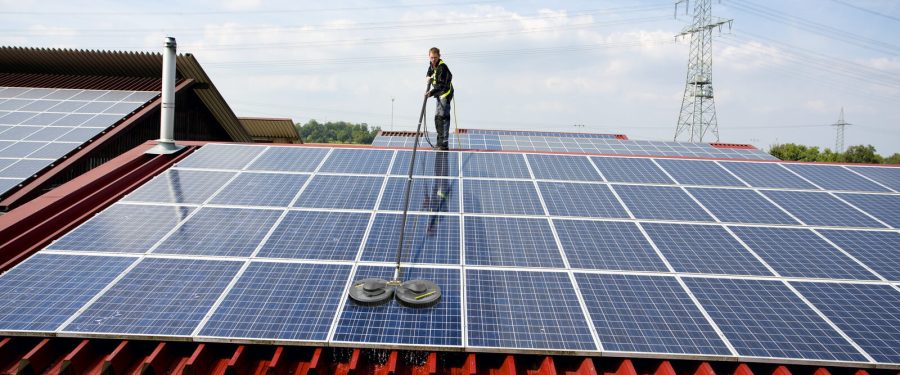
Understanding whether you need to clean your solar panels is essential for anyone considering or currently using solar energy. This section provides a beginner-friendly explanation of the cleaning process, the importance of maintaining solar panels, and common mistakes to avoid.
How Solar Panels Work
Before diving into cleaning, it’s helpful to understand how solar panels function. Solar panels convert sunlight into electricity through a process called the photovoltaic effect. Here’s a simplified step-by-step breakdown:
- Sunlight Absorption: Solar panels are made up of many solar cells, typically made from silicon. When sunlight hits these cells, it excites electrons, generating direct current (DC) electricity.
- Inverter Conversion: The DC electricity generated is then sent to an inverter, which converts it into alternating current (AC) electricity, the type used in homes and businesses.
- Electricity Usage: The AC electricity is then used to power your home or business. Any excess electricity can be sent back to the grid or stored in batteries.
Importance of Cleaning Solar Panels
Cleaning solar panels is crucial for maintaining their efficiency. Here’s why:
- Maximizing Energy Production: Clean panels can absorb more sunlight, leading to higher energy output.
- Preventing Damage: Debris like bird droppings can cause long-term damage if left uncleaned, potentially leading to costly repairs.
- Maintaining Warranty: Some manufacturers require regular maintenance, including cleaning, to keep warranties valid.
Common Challenges and Risks
While cleaning solar panels is beneficial, several challenges and risks can arise:
- Accessing Panels: For rooftop installations, getting access can be dangerous without proper safety equipment.
- Using Harsh Chemicals: Some homeowners may mistakenly use harsh chemicals that can damage the panels. It’s essential to use mild soap and water.
- Weather Conditions: Cleaning during extreme temperatures can lead to cracking or other damage to the panels.
Common Mistakes to Avoid
Here are some common mistakes that can hinder the cleaning process:
| Common Mistake | Description |
|---|---|
| Cleaning Too Often | Over-cleaning can scratch the surface of the panels. Assess the level of dirt before deciding to clean. |
| Using Abrasive Tools | Using brushes or scrubbers that are too abrasive can cause damage. Opt for soft brushes or cloths. |
| Ignoring Safety Precautions | Not using safety gear or equipment when accessing rooftops can lead to accidents. Always prioritize safety. |
| Cleaning at the Wrong Time | Cleaning panels when they are hot (e.g., midday sun) can cause thermal shock and cracking. Early morning or late afternoon is ideal. |
Technical Aspects of Solar Panel Cleaning
Understanding the technical aspects can help you appreciate why cleaning is necessary:
- Efficiency Ratings: Solar panels have efficiency ratings that indicate how much sunlight they can convert into electricity. Dust and debris can lower these ratings significantly.
- Angle of Installation: The angle at which solar panels are installed affects how easily dirt and debris can slide off. Panels at a steeper angle may require less frequent cleaning.
- Type of Solar Cells: Different types of solar cells (monocrystalline, polycrystalline, thin-film) may have varying levels of susceptibility to dirt accumulation.
Best Practices for Cleaning Solar Panels
To ensure effective cleaning, consider the following best practices:
- Use Soft Materials: Use soft brushes or cloths to avoid scratching the panels.
- Water Quality: Use distilled water if possible, as tap water can leave mineral deposits.
- Frequency: Assess your environment to determine how often cleaning is necessary. In some areas, once or twice a year may suffice.
Cleaning solar panels is an essential aspect of maintaining their efficiency and longevity. By understanding how solar panels work and the importance of regular maintenance, you can ensure that your investment continues to yield returns. Avoiding common mistakes and following best practices will help you keep your solar panels in optimal condition.
Common Downsides, Myths, and Misconceptions About Cleaning Solar Panels
As solar energy becomes more prevalent, several misconceptions and myths about solar panel maintenance, particularly cleaning, have emerged. Addressing these misconceptions is crucial for potential and current solar panel owners to make informed decisions.
Common Myths and Misconceptions
Myth 1: Solar Panels Never Get Dirty
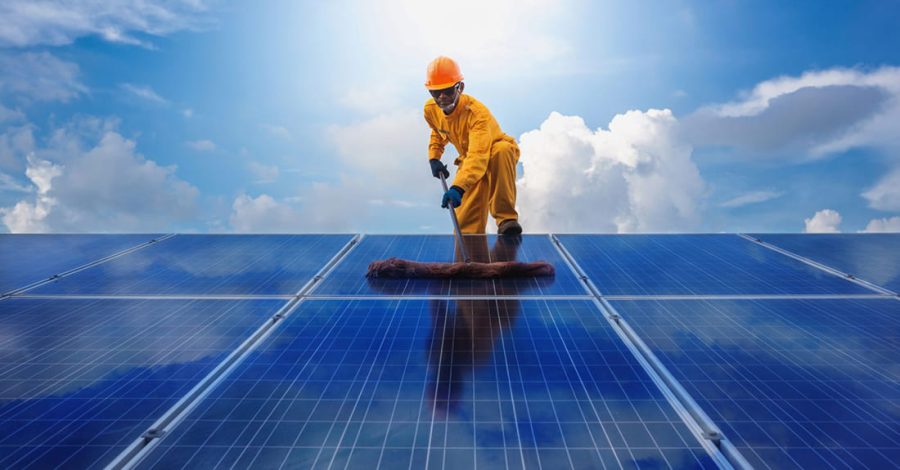
One of the most common misconceptions is that solar panels are self-cleaning and do not require maintenance. While rain can wash away some dirt, it is not sufficient to keep panels completely clean. In areas with high dust, pollen, or pollution, panels can accumulate significant debris, leading to decreased efficiency. For example, a study conducted in California found that solar panels in urban areas lost up to 20% of their efficiency due to dirt accumulation.
Myth 2: Cleaning Solar Panels is Dangerous
Many people believe that cleaning solar panels, especially those installed on rooftops, is inherently dangerous. While safety is a concern, using proper equipment and techniques can minimize risks. Professional cleaning services are available for those uncomfortable with heights or the cleaning process. Statistics show that accidents related to solar panel cleaning are rare, especially when safety precautions are followed.
Myth 3: You Can Use Any Cleaning Product
Another misconception is that any cleaning product can be used on solar panels. In reality, harsh chemicals can damage the panels and reduce their efficiency. It is recommended to use mild soap and water or specialized solar panel cleaning solutions. A case study in Arizona found that using improper cleaning solutions led to a 15% decrease in energy output over a year due to residue buildup.
Myth 4: Cleaning is Only Necessary in Certain Climates
Some believe that only solar panels in dry or dusty climates need regular cleaning. However, even in areas with frequent rain, panels can accumulate grime and organic matter, such as algae or bird droppings. A report from the National Renewable Energy Laboratory indicated that solar panels in coastal areas also require maintenance due to salt and moisture buildup, which can affect performance.
Common Downsides of Not Cleaning Solar Panels
Neglecting to clean solar panels can lead to several downsides:
- Reduced Efficiency: Dirty panels can lose up to 25% of their efficiency, leading to higher electricity costs and lower energy production.
- Increased Maintenance Costs: Allowing dirt and debris to accumulate can lead to more significant issues, requiring costly repairs or replacements.
- Shortened Lifespan: Regular maintenance, including cleaning, can extend the lifespan of solar panels. Neglecting this can lead to premature failure.
Statistics and Case Studies
Several studies highlight the importance of cleaning solar panels:
- A study by the Solar Energy Industries Association found that solar panels that were regularly cleaned produced 15% more energy annually compared to those that were not.
- In a case study in New Mexico, a commercial solar installation that underwent regular cleaning saw a return on investment (ROI) increase of 30% over three years due to improved energy production.
- Research from the University of California showed that solar panels in urban areas with high pollution levels could lose up to 30% of their efficiency if not cleaned regularly.
Frequently Asked Questions (FAQs)
Do I need to clean my solar panels if it rains?
While rain can help remove some dirt and debris, it is often not enough to keep solar panels fully clean. Regular inspections and cleaning are still recommended, especially in areas with high dust or pollution.
How often should I clean my solar panels?
The frequency of cleaning depends on your location and environmental factors. Generally, cleaning once or twice a year is sufficient for most areas, but more frequent cleaning may be necessary in dusty or polluted environments.
Can I clean my solar panels myself?
Yes, you can clean your solar panels yourself using soft brushes, squeegees, and mild soap with water. However, if you are uncomfortable with heights or the cleaning process, hiring a professional service is advisable.
Will cleaning my solar panels void the warranty?
Most manufacturers require regular maintenance, including cleaning, to keep warranties valid. Always check your warranty terms to ensure compliance with maintenance requirements.
What is the best time to clean solar panels?
The best time to clean solar panels is early morning or late afternoon when the panels are cool. Avoid cleaning during the hottest part of the day to prevent thermal shock and potential damage.