

Do Solar Panels Work When Snow Covered?
As solar energy continues to gain traction across the United States, many homeowners and businesses are considering the efficiency of solar panels in various weather conditions. One common concern is whether solar panels can generate electricity when covered in snow. This question is particularly relevant for those living in regions that experience harsh winters, where snowfall can be significant. Understanding how solar panels perform under these conditions is crucial for potential solar energy users, as it impacts energy production, investment returns, and overall system reliability.
Primary Search Intent
The primary search intent behind the question “Do solar panels work when snow covered?” is to determine the functionality and efficiency of solar panels during winter months when snow accumulation is likely. The straightforward answer is: yes, solar panels can still work when covered with snow, but their efficiency is significantly reduced until the snow is cleared. This article will explore how solar panels operate in snowy conditions, the factors that influence their performance, and practical measures for homeowners and businesses to maximize their solar energy production during winter.
How Solar Panels Function in Snow
Basic Operation of Solar Panels
Solar panels convert sunlight into electricity through photovoltaic (PV) cells. These cells generate direct current (DC) electricity when exposed to sunlight. An inverter then converts this DC electricity into alternating current (AC), which is used to power homes and businesses. The efficiency of this process depends on several factors, including sunlight intensity, temperature, and the angle of the solar panels.
Impact of Snow Cover on Solar Panels
When snow covers solar panels, the immediate effect is a reduction in sunlight exposure. This can lead to:
- Reduced Energy Production: Snow can block sunlight, causing a significant drop in energy generation. Depending on the thickness of the snow layer, energy production can be reduced to nearly zero.
- Temperature Effects: Interestingly, solar panels can still generate some electricity in cold temperatures, as they are more efficient at lower temperatures. However, this is contingent on sunlight exposure.
Factors Influencing Performance
Several factors determine how well solar panels perform when covered in snow:
- Panel Type: Different types of solar panels have varying levels of efficiency in snowy conditions. Monocrystalline panels tend to perform better than polycrystalline panels due to their higher efficiency and better temperature coefficients.
- Panel Angle: The angle at which solar panels are installed can influence snow accumulation. Panels installed at a steeper angle are more likely to shed snow naturally due to gravity.
- Sunlight Intensity: On cloudy days, even a thin layer of snow can significantly hinder energy production. However, on sunny days, the sun can help melt the snow, allowing for quicker recovery of energy production.
Snow Management Strategies
Preventive Measures
To maximize solar energy production during winter months, homeowners can implement several strategies:
- Optimal Installation: Ensure that solar panels are installed at an angle that promotes snow shedding. A tilt of 30 to 45 degrees is often recommended.
- Regular Maintenance: Schedule regular inspections and maintenance to ensure that panels are clean and functioning properly. This includes checking for snow accumulation.
Snow Removal Techniques
If snow does accumulate on solar panels, there are safe methods to remove it:
- Use a Soft Brush: Gently brushing off the snow with a soft-bristled broom can help clear the panels without causing damage.
- Let Nature Take Its Course: In many cases, allowing the sun to melt the snow naturally is the safest and most effective method. The dark surface of solar panels can absorb heat from sunlight, which can accelerate melting.
Financial Considerations
Cost of Solar Panel Installation
The average cost of installing solar panels in the U.S. ranges from $15,000 to $25,000 before tax credits and incentives. This investment can yield significant savings on electricity bills over time, but snow-related energy production losses can impact return on investment (ROI).
Incentives and Rebates
Homeowners should also consider available incentives and rebates that can offset installation costs. The Federal Investment Tax Credit (ITC) allows homeowners to deduct a percentage of their solar installation costs from their federal taxes. This can significantly improve the financial viability of solar energy systems, even in regions with heavy snowfall.
Conclusion
Understanding how solar panels work when covered in snow is essential for anyone considering solar energy in snowy climates. By implementing effective snow management strategies and considering financial implications, homeowners can ensure their solar systems remain efficient and productive throughout the winter months.
Understanding Solar Panel Functionality When Snow Covered
Solar panels are a popular choice for generating renewable energy, but many people wonder how effective they are when covered in snow. This section will provide a beginner-friendly explanation of how solar panels work, what happens when they are snow-covered, and the challenges associated with snow accumulation.
How Solar Panels Work: A Step-by-Step Process
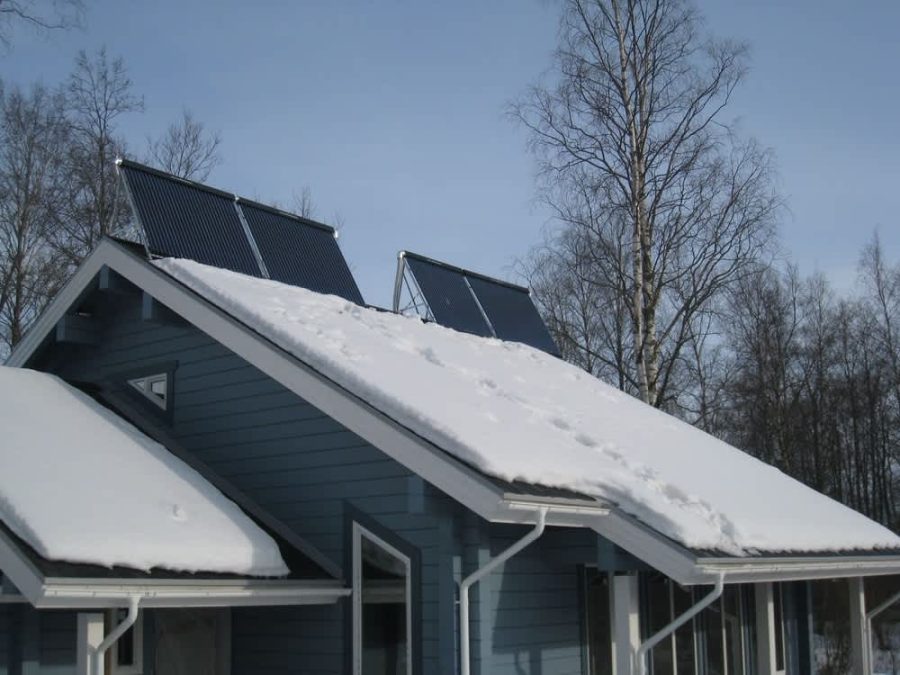
To understand the impact of snow on solar panels, it’s essential to grasp how they function in the first place. Here’s a simplified breakdown of the process:
- Sunlight Absorption: Solar panels are made up of photovoltaic (PV) cells that absorb sunlight. When sunlight hits these cells, it excites electrons, creating an electric current.
- Electricity Generation: The excited electrons flow through the solar cells, generating direct current (DC) electricity.
- Inversion to AC: The DC electricity produced is then sent to an inverter, which converts it into alternating current (AC) electricity. AC is the type of electricity used in homes and businesses.
- Powering Your Home: The AC electricity is then distributed throughout the home or business, powering appliances, lights, and other electrical devices.
- Grid Connection: If the solar panels produce more electricity than needed, the excess can be sent back to the grid, allowing homeowners to earn credits or compensation.
What Happens When Solar Panels Are Covered in Snow?
When snow accumulates on solar panels, it can significantly affect their performance. Here’s what happens:
- Light Blockage: Snow acts as a barrier, preventing sunlight from reaching the solar cells. This leads to a decrease in electricity generation.
- Temperature Effects: Cold temperatures can enhance the efficiency of solar panels, but only if they are exposed to sunlight. If snow covers them, the benefits of cooler temperatures are negated.
- Self-Cleaning Properties: Many solar panels have a smooth surface that can help snow slide off. If the angle of installation is steep enough, the snow may naturally slide off as it melts or shifts.
Challenges and Risks of Snow-Covered Solar Panels
While solar panels can still function under snow, there are specific challenges and risks to consider:
1. Reduced Energy Production
When solar panels are covered in snow, their energy output can drop significantly. Depending on the thickness of the snow, energy production can be reduced to nearly zero until the snow is cleared or melts.
2. Safety Concerns
Removing snow from solar panels can pose safety risks. Climbing on roofs or using ladders to clear snow can lead to accidents. It’s essential to prioritize safety and consider hiring professionals for snow removal.
3. Damage to Panels
Using inappropriate tools to remove snow, such as metal shovels or hard brushes, can scratch or damage the surface of solar panels. It’s crucial to use soft materials and gentle techniques when clearing snow.
Key Terms Related to Solar Panel Efficiency
Understanding some key terms can help clarify how snow affects solar panel efficiency:
| Term | Definition |
|---|---|
| Photovoltaic (PV) Cells | Semiconductor devices that convert sunlight into electricity. |
| Direct Current (DC) | Electricity that flows in one direction, produced by solar panels. |
| Alternating Current (AC) | Electricity that changes direction periodically, used in homes and businesses. |
| Inverter | A device that converts DC electricity from solar panels into AC electricity. |
| Efficiency | The percentage of sunlight that a solar panel can convert into usable electricity. |
Common Mistakes to Avoid
When dealing with snow-covered solar panels, homeowners should be aware of common mistakes that can lead to reduced efficiency or damage:
- Ignoring Snow Accumulation: Some homeowners may overlook snow accumulation, assuming it will melt quickly. Regular checks are essential to ensure optimal performance.
- Using Improper Tools: As mentioned earlier, using hard tools can damage solar panels. Always opt for soft brushes or let nature take its course.
- Neglecting Maintenance: Regular maintenance is crucial for solar panel efficiency. This includes cleaning and checking for any potential issues, especially after heavy snowfall.
Understanding how solar panels work when covered in snow is vital for homeowners considering solar energy. By grasping the basic principles of solar energy generation and the challenges posed by snow, individuals can make informed decisions about their solar systems and ensure optimal performance throughout the winter months.
Common Downsides, Myths, and Misconceptions About Solar Panels and Snow
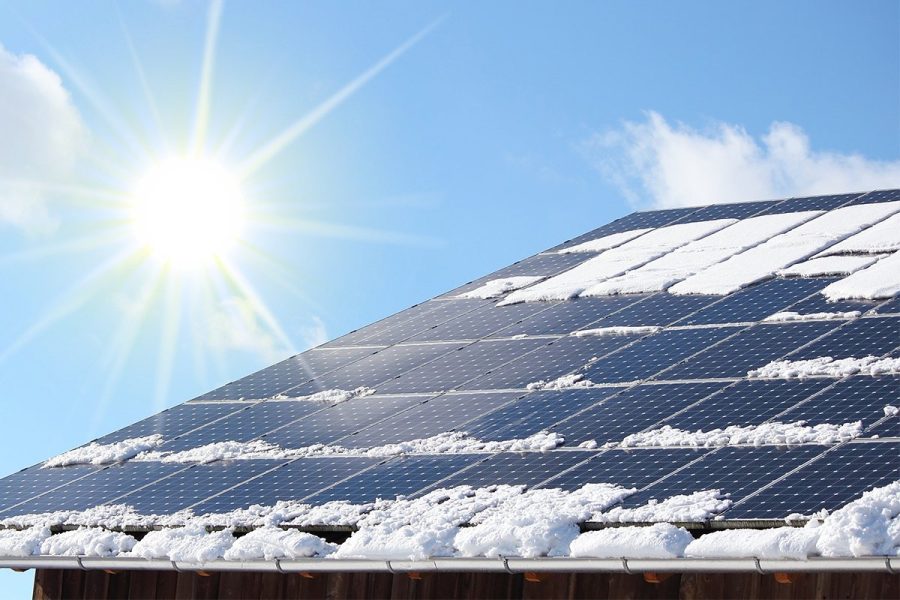
As solar energy becomes increasingly popular, several myths and misconceptions have emerged regarding the performance of solar panels in snowy conditions. Addressing these misconceptions is essential for potential solar users to make informed decisions. Here, we will explore common downsides and myths associated with solar panels when covered in snow, backed by relevant examples and statistics.
Common Downsides of Snow-Covered Solar Panels
1. Reduced Energy Production
One of the most significant downsides of snow-covered solar panels is the reduction in energy production. When snow accumulates on the panels, it blocks sunlight, leading to a dramatic decrease in electricity generation. For example, a study conducted in Minnesota found that solar panels covered in snow produced only 10% of their normal output during heavy snowfalls. This can be particularly concerning for homeowners relying on solar energy during winter months.
2. Increased Maintenance Needs
Snow accumulation can lead to increased maintenance requirements for solar panel systems. Homeowners may need to regularly check their panels for snow cover and take action to remove it. This can be time-consuming and may require hiring professionals, which adds to the overall cost of solar energy systems. In regions with heavy snowfall, this maintenance can be a significant consideration for potential solar users.
Myths and Misconceptions
Myth 1: Solar Panels Are Ineffective in Winter
Many people believe that solar panels are entirely ineffective during winter months, particularly in snowy regions. This is a misconception. While snow can reduce energy production, solar panels can still generate electricity in cold temperatures. In fact, solar panels often perform better in colder conditions, as long as they are not covered in snow. For instance, a solar installation in Colorado reported that their panels produced 80% of their summer output during a sunny winter day, despite being covered in snow the previous week.
Myth 2: Snow Will Damage Solar Panels
Another common myth is that snow accumulation can damage solar panels. In reality, most solar panels are designed to withstand harsh weather conditions, including snow and ice. They are built with durable materials that can handle significant weight. For example, many manufacturers test their panels to endure snow loads of up to 240 pounds per square foot. This means that unless there is an extreme weather event, snow is unlikely to cause damage.
Myth 3: Solar Panels Require Constant Cleaning
Some homeowners believe that solar panels need to be cleaned frequently to maintain efficiency, especially after snowfall. While it is essential to keep panels clear of debris, snow often melts off naturally due to the heat generated by the panels themselves. In many cases, homeowners can rely on the sun to do the work for them. A case study in New York showed that solar panels with a slight tilt had 90% of the snow slide off within a few hours of sunlight, reducing the need for manual cleaning.
Statistics and Case Studies
Statistics and real-world examples can help illustrate the performance of solar panels in snowy conditions:
- A study by the National Renewable Energy Laboratory (NREL) found that solar panels in snowy regions can still generate up to 50% of their potential energy output on sunny winter days, even when partially covered in snow.
- In a case study conducted in Vermont, solar installations reported an average energy production of 60% during winter months compared to summer months, demonstrating that solar panels can still be effective in cold climates.
- According to the Solar Energy Industries Association (SEIA), solar installations in states like Minnesota and Wisconsin have increased by over 300% in the past five years, indicating that homeowners are finding value in solar energy despite snowy conditions.
Frequently Asked Questions (FAQs)
1. Do solar panels work when covered in snow?
Yes, solar panels can still generate electricity when covered in snow, but their efficiency is significantly reduced until the snow is cleared or melts.
2. How much energy do solar panels produce in winter?
Solar panels can produce up to 50% of their potential energy output on sunny winter days, even when partially covered in snow.
3. Is it necessary to remove snow from solar panels?
While it is not always necessary to remove snow, doing so can help restore energy production more quickly. However, many panels are designed to shed snow naturally.
4. Can snow damage solar panels?
Most solar panels are built to withstand heavy snow loads and are unlikely to be damaged by normal snowfall. They are tested for durability against extreme weather conditions.
5. How can I maximize solar energy production in winter?
To maximize solar energy production during winter, ensure your panels are installed at an optimal angle, regularly check for snow accumulation, and consider professional maintenance if needed.