

Do Solar Panels Melt Snow?
As winter approaches, many homeowners with solar panels may wonder if these systems can effectively melt snow. This question is particularly relevant for those living in regions that experience heavy snowfall, as accumulated snow can hinder solar panel efficiency. Understanding whether solar panels can melt snow is crucial for maximizing energy production and ensuring that your investment in solar technology pays off throughout the year.
In this article, we will explore the mechanics of solar panels, how they interact with snow, and the implications for homeowners. We will also discuss the relevance of this topic for solar energy users across the United States, where winter weather can significantly impact solar energy generation.
How Solar Panels Work
To understand whether solar panels can melt snow, it’s essential to grasp how they function. Solar panels convert sunlight into electricity through photovoltaic cells. Here’s a brief overview:
- Photovoltaic Cells: These cells absorb sunlight and convert it into direct current (DC) electricity.
- Inverter: The DC electricity is then converted into alternating current (AC) electricity, which can be used in homes.
- Energy Production: The amount of electricity generated depends on sunlight exposure, which can be obstructed by snow accumulation.
Do Solar Panels Melt Snow?
The short answer is yes, solar panels can melt snow, but several factors influence this process:
1. Temperature
Solar panels are typically made of materials that conduct heat. When sunlight hits the panels, they absorb some of that energy, which can raise their temperature above freezing. This can lead to melting snow, especially if the temperature is close to freezing.
2. Angle of Installation
The angle at which solar panels are installed can also affect snow melting. Panels that are tilted at a steeper angle may allow snow to slide off more easily, reducing accumulation. In contrast, flat panels may retain snow longer, impacting energy production.
3. Sunlight Exposure
Direct sunlight is crucial for melting snow. If the panels are covered in snow, they won’t generate electricity until the snow melts or is removed. On sunny days, the combination of heat from the panels and sunlight can expedite the melting process.
Implications for Homeowners
Understanding how solar panels interact with snow is vital for homeowners, particularly in regions with harsh winters. Here are some key considerations:
- Energy Production: Snow-covered panels can lead to a significant drop in energy production. Homeowners should monitor their systems during winter months to ensure optimal performance.
- Maintenance: In some cases, it may be necessary to remove snow from panels to restore efficiency. However, safety should always be a priority when attempting to clear snow.
- System Design: When installing solar panels, consider the local climate and typical snowfall. Choosing the right angle and type of panels can enhance snow management.
Safety Considerations
While it may be tempting to remove snow from solar panels, safety should be a primary concern. Here are some tips:
- Use Proper Equipment: If you decide to clear snow, use tools designed for the task, such as a roof rake with a long handle.
- Avoid Climbing on Roofs: Climbing onto a roof can be dangerous, especially in icy conditions. If snow accumulation is significant, consider hiring a professional.
- Check for Ice: Be cautious of ice buildup, as it can pose a risk when attempting to clear snow.
Understanding whether solar panels can melt snow is essential for homeowners in snowy regions. By considering factors such as temperature, panel angle, and sunlight exposure, you can better manage your solar energy system during winter months.
Understanding How Solar Panels Melt Snow
For homeowners with solar panels, especially those in snowy regions, understanding how solar panels interact with snow is crucial. This section will break down the process of how solar panels can melt snow, the science behind it, and common challenges that may arise.
How Solar Panels Work to Melt Snow
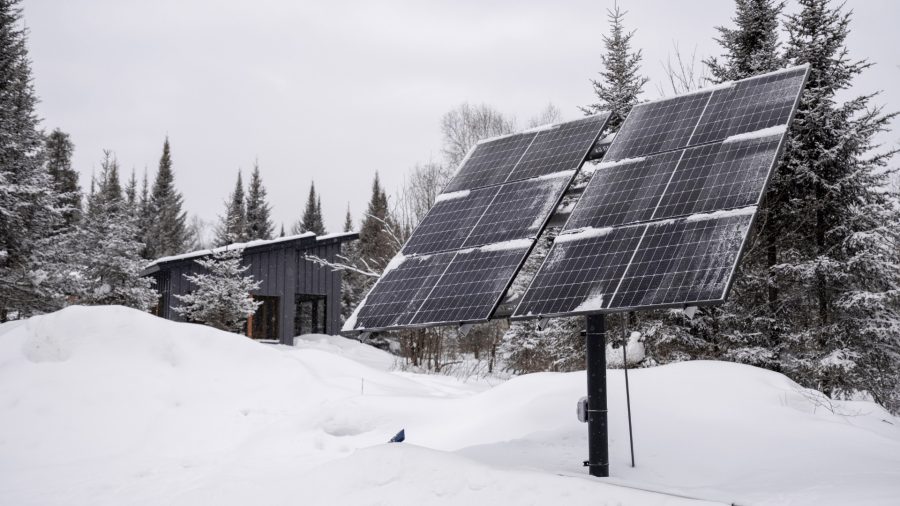
Solar panels are designed to convert sunlight into electricity, but they also have the ability to melt snow under certain conditions. Here’s a step-by-step explanation of how this process occurs:
Step 1: Absorption of Sunlight
Solar panels are made up of photovoltaic (PV) cells that absorb sunlight. When sunlight hits the surface of the panels:
- The PV cells convert sunlight into direct current (DC) electricity.
- Some of the absorbed sunlight is transformed into heat, raising the temperature of the panels.
Step 2: Temperature Increase
As the panels absorb sunlight, they begin to warm up. This temperature increase can be significant enough to start melting any snow that has accumulated on the surface. The effectiveness of this process depends on:
- The intensity of sunlight: More sunlight leads to more heat.
- The initial temperature of the panels: If the panels are already warm, they will melt snow faster.
Step 3: Snow Melting and Sliding Off
Once the temperature of the solar panels rises above freezing, the snow begins to melt. Here’s what happens next:
- The melted snow turns into water, which can run off the panels.
- If the panels are installed at an angle, the melted snow is more likely to slide off rather than refreeze.
Key Terms Related to Solar Panel Efficiency
To better understand how solar panels melt snow, it’s helpful to know some key terms:
| Term | Definition |
|---|---|
| Photovoltaic (PV) Cells | Devices that convert sunlight into electricity. |
| Direct Current (DC) | Electricity that flows in one direction, generated by solar panels. |
| Inverter | A device that converts DC electricity from solar panels into alternating current (AC) electricity for home use. |
| Solar Panel Efficiency | The percentage of sunlight that is converted into usable electricity. |
| Angle of Installation | The tilt of solar panels, which can affect how much sunlight they receive and how snow accumulates. |
Challenges and Risks of Snow Accumulation on Solar Panels
While solar panels can melt snow, there are challenges and risks associated with snow accumulation:
1. Reduced Energy Production
When snow covers solar panels, energy production drops significantly. Homeowners may experience:
- Loss of electricity generation during snowy days.
- Delayed energy production until the snow melts or is removed.
2. Ice Formation
If snow melts and refreezes, it can create a layer of ice on the panels. This can lead to:
- Increased weight on the panels, potentially causing damage.
- Further obstruction of sunlight, reducing efficiency.
3. Safety Risks
Clearing snow from solar panels can pose safety risks, including:
- Slipping or falling while trying to access the panels.
- Potential damage to the panels if improper tools are used.
4. Maintenance Considerations
Homeowners should consider the following maintenance aspects:
- Regularly monitoring the panels for snow accumulation.
- Deciding when it is necessary to remove snow versus allowing it to melt naturally.
Common Mistakes to Avoid
When dealing with snow on solar panels, homeowners often make mistakes that can affect their systems:
- Ignoring Snow Accumulation: Failing to monitor snow levels can lead to reduced energy production.
- Using Improper Tools: Using metal shovels or sharp objects can scratch or damage the panels.
- Climbing on Roofs: Attempting to clear snow from rooftops without proper safety measures can be dangerous.
Understanding how solar panels melt snow and the associated challenges can help homeowners make informed decisions about their solar energy systems during winter months.
Common Downsides and Myths About Solar Panels Melting Snow
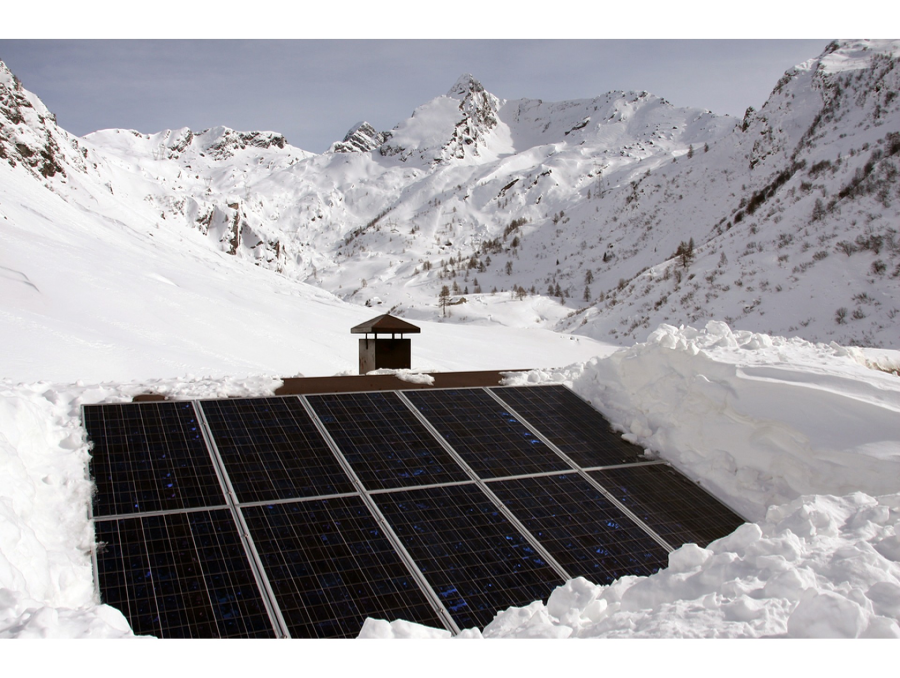
While solar panels can melt snow, there are several downsides, myths, and misconceptions that homeowners should be aware of. Understanding these can help set realistic expectations and improve the management of solar energy systems during winter months.
Common Downsides of Snow on Solar Panels
1. Reduced Energy Production
One of the most significant downsides of snow accumulation on solar panels is the reduction in energy production. When panels are covered in snow, they can generate little to no electricity. For example, a study conducted in Minnesota found that solar panels could lose up to 80% of their efficiency during heavy snowfall. This can lead to substantial energy losses, especially for homeowners relying on solar energy for their electricity needs.
2. Ice Buildup
When snow melts and refreezes, it can create a layer of ice on the panels. This ice can be problematic as it not only obstructs sunlight but also adds weight to the panels. In some cases, this can lead to structural damage. A case study in New York highlighted that homeowners with flat-roof solar installations faced increased maintenance costs due to ice buildup, which required professional removal to avoid damage.
3. Safety Risks
Clearing snow from solar panels can pose safety risks. Homeowners often attempt to remove snow themselves, which can lead to slips and falls, particularly in icy conditions. According to the National Safety Council, falls are one of the leading causes of injury during winter months. Hiring professionals for snow removal can mitigate these risks but may incur additional costs.
Myths and Misconceptions
1. Solar Panels Don’t Work in Winter
A common myth is that solar panels are ineffective in winter. While it’s true that energy production may decrease due to shorter days and potential snow cover, solar panels can still generate electricity in cold weather. In fact, colder temperatures can improve the efficiency of solar panels, allowing them to perform better than in hot summer conditions.
2. Solar Panels Automatically Melt Snow
Another misconception is that solar panels will automatically melt snow without any assistance. While they can generate heat from sunlight, this process may not be sufficient to clear heavy snow accumulations. Homeowners should monitor their panels and consider snow removal if significant accumulation occurs.
3. All Solar Panels Are the Same
Many people believe that all solar panels have the same snow-melting capabilities. In reality, different types of panels have varying efficiencies and designs. For instance, panels with a smoother surface may allow snow to slide off more easily than those with a textured surface. Homeowners should research and choose panels suited for their specific climate and installation conditions.
Frequently Asked Questions (FAQ)
1. Do solar panels work in snowy conditions?
Yes, solar panels can still generate electricity in snowy conditions. While energy production may be reduced due to snow cover, they can still function effectively in cold weather.
2. How can I remove snow from my solar panels safely?
To safely remove snow from solar panels, consider using a roof rake with a long handle designed for this purpose. Avoid using metal tools that could scratch the panels, and prioritize safety by not climbing onto the roof unless necessary.
3. Will snow damage my solar panels?
Snow itself is unlikely to damage solar panels. However, if snow melts and refreezes, it can create ice that may add weight and potentially cause structural issues. Regular maintenance can help mitigate these risks.
4. How much energy can I lose due to snow cover?
The amount of energy lost due to snow cover can vary significantly depending on the thickness of the snow and the amount of sunlight. In some cases, homeowners can lose up to 80% of energy production during heavy snowfall.
5. Should I hire a professional for snow removal?
Hiring a professional for snow removal is often recommended, especially if the snow accumulation is significant or if you are concerned about safety. Professionals have the right tools and experience to clear snow without damaging the panels.