

Can You Mix Different Types of Solar Panels?
As solar energy becomes increasingly popular in the United States, many homeowners and businesses are exploring their options for solar panel installations. One common question that arises is whether it is possible to mix different types of solar panels in a single system. This inquiry is crucial for anyone considering a solar energy investment, as it can significantly impact the efficiency, performance, and overall cost of a solar installation.
Mixing different types of solar panels can refer to combining various technologies, such as monocrystalline, polycrystalline, and thin-film solar panels. Understanding the compatibility of these different types is essential for optimizing energy production and ensuring a seamless integration into existing systems. This topic is relevant for homeowners, commercial property owners, and solar installers who want to maximize their solar energy output while minimizing costs.
Understanding Solar Panel Types
Before diving into the specifics of mixing solar panels, it’s important to understand the different types available:
- Monocrystalline Solar Panels: Known for their high efficiency and sleek appearance, these panels are made from a single crystal structure. They typically have a higher power output per square foot, making them ideal for limited roof space.
- Polycrystalline Solar Panels: These panels are made from multiple crystal structures, resulting in a lower efficiency compared to monocrystalline panels. However, they are generally less expensive, making them a popular choice for budget-conscious consumers.
- Thin-Film Solar Panels: Made from a variety of materials, thin-film panels are lightweight and flexible. They are less efficient than crystalline panels but can perform better in low-light conditions and high temperatures.
Mixing Different Types of Solar Panels
Now that we understand the types of solar panels, let’s explore whether mixing them is feasible and what factors to consider.
Compatibility Issues
Mixing different types of solar panels can lead to compatibility issues, primarily due to differences in:
- Voltage: Different panel types may operate at different voltages, which can affect the overall performance of the system. If panels with varying voltages are connected in series, the output will be limited by the lowest voltage panel.
- Current: Panels with different current ratings can also create imbalances. When mixed, the overall current output may be reduced, affecting the efficiency of the entire system.
- Temperature Coefficients: Different solar panels have varying temperature coefficients, which can lead to performance discrepancies under different environmental conditions.
Performance Considerations
When mixing solar panels, performance can be affected in several ways:
- Efficiency Loss: If the panels are not well-matched, the overall efficiency of the system may decline. This is particularly true if lower-efficiency panels are paired with higher-efficiency ones.
- Shading Effects: If one type of panel is shaded while the other is not, the overall output can be significantly reduced. This is especially critical for panels connected in series.
- Inverter Compatibility: The inverter must be compatible with the mixed panel types. Inverters are designed to handle specific voltage and current ranges, so mismatched panels can lead to inefficiencies or even damage.
Cost Implications
Mixing different types of solar panels can also have financial implications:
- Initial Investment: While mixing panels can sometimes reduce upfront costs, it may lead to higher long-term expenses due to decreased efficiency and potential maintenance issues.
- Return on Investment (ROI): The overall ROI may be negatively impacted if the mixed system does not perform as well as a uniform system of high-quality panels.
- Incentives and Rebates: Some state and federal incentives may require specific types of panels or systems to qualify, which could affect the financial viability of a mixed installation.
Best Practices for Mixing Solar Panels
If you decide to mix different types of solar panels, consider the following best practices:
- Consult a Professional: Always consult with a solar energy professional to assess compatibility and performance expectations.
- Match Specifications: Try to select panels with similar voltage and current ratings to minimize performance issues.
- Monitor Performance: Regularly monitor the performance of your solar system to identify any discrepancies that may arise from mixing panels.
Mixing different types of solar panels is not a straightforward decision. While it may be possible, it comes with a host of considerations that can impact efficiency, performance, and costs. Understanding the implications of mixing panels is crucial for anyone looking to invest in solar energy.
Mixing Different Types of Solar Panels: A Beginner’s Guide
When considering solar energy for your home or business, you might wonder if you can mix different types of solar panels. This guide will break down the concept in simple terms, helping you understand how it works and what to consider.
What Are Solar Panels?
Solar panels are devices that convert sunlight into electricity. They are made up of many smaller units called solar cells, which are typically made from silicon. When sunlight hits these cells, it creates an electric current through a process called the photovoltaic effect.
Types of Solar Panels
There are three main types of solar panels:
- Monocrystalline Panels: Made from a single crystal structure, these panels are known for their high efficiency and sleek appearance.
- Polycrystalline Panels: Composed of multiple crystal structures, these panels are generally less efficient but more affordable.
- Thin-Film Panels: These are made from various materials and are lightweight and flexible, but they usually have lower efficiency compared to crystalline panels.
Can You Mix Different Types of Solar Panels?
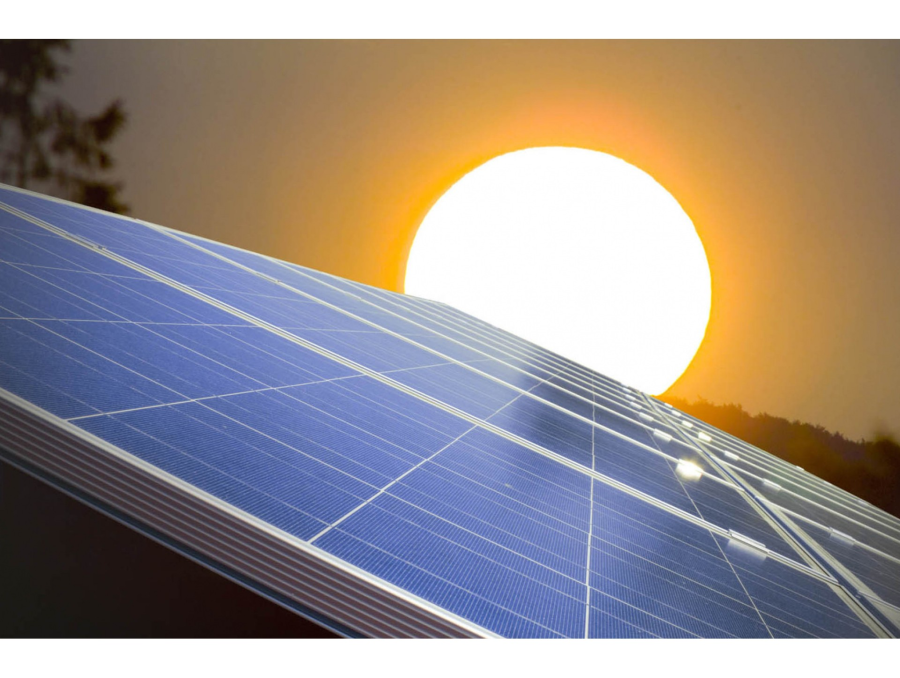
Mixing different types of solar panels is possible, but it comes with challenges. Here’s a step-by-step breakdown of what you need to know:
Step 1: Understand Compatibility
Before mixing panels, you need to understand how they work together. Key factors include:
| Factor | Description |
|---|---|
| Voltage | Different panel types may operate at different voltages. If panels with varying voltages are connected in series, the output will be limited by the lowest voltage panel. |
| Current | Panels with different current ratings can create imbalances, affecting the overall efficiency of the system. |
| Temperature Coefficients | Different panels have varying temperature coefficients, which can lead to performance discrepancies under different environmental conditions. |
Step 2: Assess Performance Implications
Mixing different types of solar panels can lead to performance issues:
- Efficiency Loss: If you mix high-efficiency panels with lower-efficiency ones, the overall efficiency of your system may decline.
- Shading Effects: If one type of panel is shaded while others are not, the overall output can be significantly reduced.
- Inverter Compatibility: The inverter must be compatible with the mixed panel types. Mismatched panels can lead to inefficiencies or even damage.
Step 3: Consider Cost Implications
Mixing solar panels can also affect your finances:
- Initial Investment: While mixing panels may reduce upfront costs, it could lead to higher long-term expenses due to decreased efficiency.
- Return on Investment (ROI): The overall ROI may be negatively impacted if the mixed system does not perform as well as a uniform system of high-quality panels.
- Incentives and Rebates: Some state and federal incentives may require specific types of panels to qualify, affecting the financial viability of a mixed installation.
Common Mistakes When Mixing Solar Panels
Here are some common mistakes to avoid when considering mixing different types of solar panels:
- Not Consulting a Professional: Always consult with a solar energy expert to assess compatibility and performance expectations.
- Ignoring Specifications: Failing to match voltage and current ratings can lead to inefficiencies.
- Overlooking Monitoring: Regularly monitor the performance of your solar system to identify discrepancies that may arise from mixing panels.
Technical Aspects to Consider
Understanding some technical aspects can help you make informed decisions:
- Series vs. Parallel Connections: In a series connection, the voltage adds up, while in a parallel connection, the current adds up. Mixing panels in series can lead to performance issues if they have different voltages.
- Wiring and Installation: Proper wiring is crucial for mixed systems. Ensure that the installation is done correctly to avoid potential hazards.
- System Design: A well-designed system can mitigate some issues associated with mixing panels. Consider factors like orientation, tilt, and shading when designing your solar array.
Mixing different types of solar panels is a complex decision that requires careful consideration of compatibility, performance, and cost. Understanding these factors can help you make the best choice for your solar energy needs.
Common Downsides, Myths, and Misconceptions About Mixing Different Types of Solar Panels
As solar energy becomes more mainstream, many people are exploring their options for solar panel installations. However, mixing different types of solar panels can lead to confusion and misconceptions. This section will address common downsides and myths surrounding the practice, backed by relevant examples and statistics.
Common Downsides of Mixing Solar Panels
- Reduced Efficiency: One of the most significant downsides of mixing different types of solar panels is the potential for reduced efficiency. When panels with varying efficiencies are combined, the overall output can be limited by the least efficient panel. For instance, if you mix high-efficiency monocrystalline panels with lower-efficiency polycrystalline panels, the overall system performance may drop significantly.
- Increased Complexity: Mixing different types of solar panels can complicate the installation and maintenance processes. Different panels may require different mounting systems, wiring configurations, or inverters. This complexity can lead to higher installation costs and potential issues during maintenance.
- Warranty Issues: Many manufacturers provide warranties that are contingent upon using their specific products. Mixing panels from different manufacturers could void warranties, leaving you unprotected in case of defects or performance issues.
- Potential for Mismatched Lifespans: Different types of solar panels may have varying lifespans. For example, monocrystalline panels typically last longer than thin-film panels. If one type of panel fails before the others, it can lead to additional costs for replacement and system downtime.
Myths and Misconceptions
Myth 1: All Solar Panels Are the Same
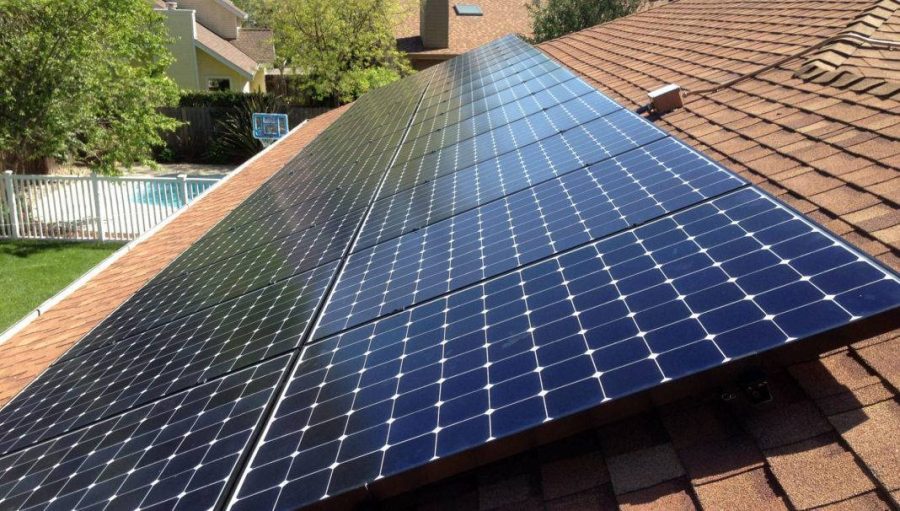
Many people believe that all solar panels function similarly, which is far from the truth. Different types of panels have unique characteristics, efficiencies, and performance metrics. For example, monocrystalline panels are generally more efficient than polycrystalline panels, meaning they produce more electricity per square foot. This misconception can lead to poor investment decisions when selecting solar panels.
Myth 2: Mixing Panels Will Not Affect Performance
Some individuals think that mixing different types of solar panels will not significantly impact overall performance. However, as mentioned earlier, the performance of a solar system can be limited by the least efficient panel when they are connected in series. This can lead to lower energy production than expected, affecting your return on investment.
Myth 3: You Can Easily Replace Panels Later
Another common misconception is that you can easily replace or upgrade panels in the future without any issues. While it is possible to replace panels, mixing different types can create compatibility issues, especially if the new panels have different electrical characteristics. This can complicate the installation and may require additional equipment, such as a new inverter.
Statistics and Case Studies
To illustrate the impact of mixing different types of solar panels, consider the following statistics:
- A study conducted by the National Renewable Energy Laboratory (NREL) found that mismatched solar panels can reduce system efficiency by up to 20%. This significant drop can lead to lower energy production and a longer payback period.
- In a case study involving a residential solar installation, a homeowner mixed monocrystalline and polycrystalline panels. The system underperformed compared to a similar installation using only monocrystalline panels, resulting in a 15% decrease in energy production over the first year.
FAQ Section: Mixing Different Types of Solar Panels
Can I mix monocrystalline and polycrystalline panels in my solar system?
Yes, you can mix monocrystalline and polycrystalline panels, but it is generally not recommended due to potential efficiency losses and compatibility issues.
Will mixing solar panels void my warranty?
Mixing different types of solar panels can void warranties, especially if the panels come from different manufacturers. Always check warranty terms before mixing products.
How does mixing panels affect my energy bill savings?
Mixing different types of solar panels can reduce the overall efficiency of your system, potentially leading to lower energy production and reduced savings on your energy bill.
What should I consider before mixing solar panels?
Before mixing solar panels, consider factors such as efficiency, voltage, and current ratings. Consulting with a solar energy professional can help you make informed decisions.
Is it better to stick with one type of solar panel?
Generally, it is better to use one type of solar panel for optimal performance and efficiency. A uniform system can simplify installation and maintenance while maximizing energy production.