

Are Solar Panels Bad for Your Roof?
As the demand for renewable energy sources continues to rise, many homeowners are considering solar panels as a viable option for reducing energy costs and minimizing their carbon footprint. However, a common concern arises: are solar panels bad for your roof? This question is crucial for homeowners contemplating the installation of solar systems, as it directly impacts the longevity and integrity of their roofs.
Understanding the potential effects of solar panels on roofing materials is essential for making informed decisions. This article will explore the implications of solar panel installation on roofs, addressing concerns related to damage, maintenance, and overall roof performance.
Why It Matters
The decision to install solar panels is not just about energy savings; it also involves significant financial investment and potential long-term effects on your home. Homeowners need to weigh the benefits of solar energy against possible risks to their roofing structure. This information is particularly relevant for:
- Homeowners considering solar panel installation
- Real estate agents advising clients on property value
- Roofing professionals assessing installation compatibility
- Environmental advocates promoting renewable energy
Primary Search Intent: Are Solar Panels Bad for Roofs?
To directly answer the primary search intent: solar panels are not inherently bad for roofs, but several factors can influence their impact. Proper installation, the type of roofing material, and the condition of the roof prior to installation play significant roles in determining whether solar panels will cause any harm.
Factors to Consider
1. Installation Quality
The quality of the installation is paramount. Poorly installed solar panels can lead to roof leaks and structural issues. It is crucial to hire experienced and reputable solar installers who understand the nuances of both solar technology and roofing systems.
2. Roofing Material
Different roofing materials react differently to solar panel installation:
- Asphalt Shingles: Generally compatible with solar panels, but care must be taken to avoid damaging shingles during installation.
- Metal Roofs: Ideal for solar panel installation due to their durability and resistance to damage.
- Tile Roofs: Can be more challenging to work with, as tiles may crack if not handled properly.
- Flat Roofs: Often require specialized mounting systems, but can support solar panels effectively.
3. Roof Condition
The existing condition of your roof is a critical factor. If your roof is nearing the end of its lifespan or has existing damage, installing solar panels may exacerbate these issues. It is advisable to conduct a thorough roof inspection before proceeding with solar panel installation.
Potential Risks
1. Leaks and Water Damage
Improper installation can lead to leaks, which may cause water damage to the roof structure and interior of the home. Ensuring that installers use appropriate flashing and sealing techniques can mitigate this risk.
2. Structural Integrity
Solar panels add weight to the roof, which can be a concern for older homes or roofs not designed to support additional loads. A structural assessment may be necessary to ensure the roof can handle the added weight.
3. Warranty Issues
Some roofing warranties may be voided if solar panels are installed improperly. Homeowners should check with their roofing manufacturer to understand any potential impacts on warranty coverage.
Maintenance Considerations
Maintaining both the solar panels and the roof is essential for long-term performance. Regular inspections can help identify any issues early on. Homeowners should consider the following:
- Schedule periodic roof inspections to check for damage or wear.
- Ensure solar panels are cleaned regularly to maintain efficiency.
- Monitor for any signs of leaks or water damage.
Cost Implications
The cost of solar panel installation can vary widely, typically ranging from $15,000 to $25,000 for a residential system, depending on size and location. Homeowners should factor in potential roof repairs or replacements when budgeting for solar installation.
In summary, while solar panels are not inherently bad for roofs, several factors must be considered to ensure a safe and effective installation. Proper planning, quality installation, and ongoing maintenance can help mitigate risks and maximize the benefits of solar energy.
Understanding the Impact of Solar Panels on Your Roof
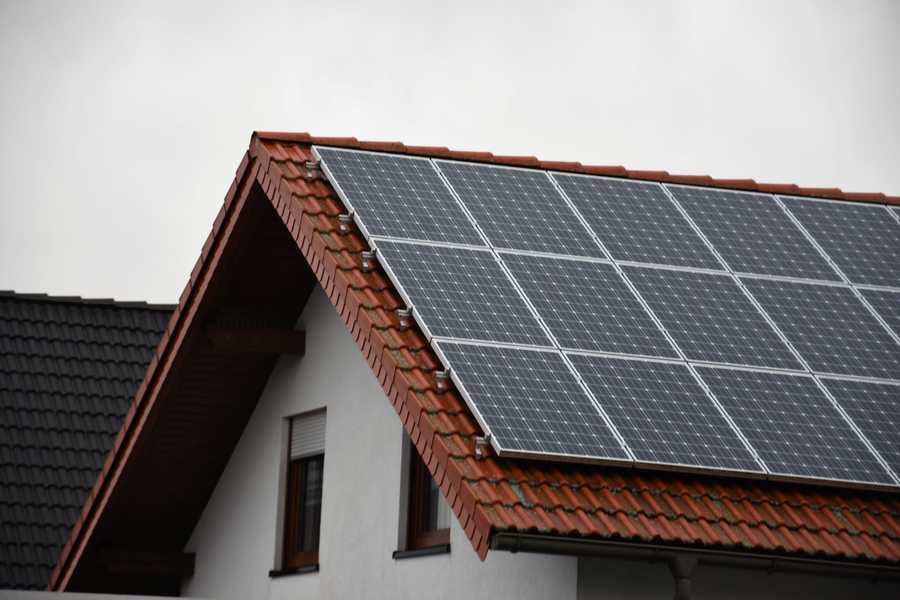
When considering solar panels, many homeowners wonder if they could be harmful to their roofs. This section will provide a beginner-friendly explanation of how solar panels interact with roofing systems, addressing common concerns, risks, and key concepts associated with their installation.
How Solar Panels Work
Solar panels convert sunlight into electricity through a process called the photovoltaic effect. Here’s a step-by-step breakdown of how this process works:
- Sunlight Absorption: Solar panels are made up of many solar cells, typically composed of silicon. When sunlight hits these cells, it excites the electrons in the silicon, causing them to move.
- Electricity Generation: The movement of electrons creates direct current (DC) electricity. This electricity is then collected by wires connected to the solar cells.
- Inverter Conversion: Since most homes use alternating current (AC) electricity, the DC electricity generated by the solar panels is sent to an inverter. The inverter converts DC electricity into AC electricity.
- Powering Your Home: The AC electricity is then used to power your home’s electrical systems. If your solar panels generate more electricity than you need, the excess can often be sent back to the grid, potentially earning you credits on your utility bill.
Key Concepts Related to Solar Panels and Roofing
1. Roof Compatibility
Not all roofs are created equal when it comes to solar panel installation. Here are some key factors that determine roof compatibility:
| Roof Type | Compatibility | Considerations |
|---|---|---|
| Asphalt Shingles | Good | Can be installed without major issues if done correctly. |
| Metal Roofs | Excellent | Durable and often easier to install solar panels on. |
| Tile Roofs | Moderate | Requires careful handling to avoid cracking tiles. |
| Flat Roofs | Good | May require specialized mounting systems. |
2. Installation Risks
While solar panels can be beneficial, there are risks associated with their installation that homeowners should be aware of:
- Water Leaks: Improper installation can lead to leaks, which may damage the roof and interior of the home.
- Structural Concerns: Older roofs may not be able to support the additional weight of solar panels, leading to potential structural issues.
- Warranty Issues: Some roofing warranties may be voided if solar panels are installed incorrectly.
3. Common Mistakes in Solar Panel Installation
Homeowners and installers can make mistakes during the solar panel installation process. Here are some common pitfalls:
- Ignoring Roof Condition: Failing to assess the roof’s condition before installation can lead to problems down the line.
- Poor Installation Practices: Using inadequate flashing or sealing techniques can result in leaks.
- Neglecting Maintenance: Not regularly inspecting the roof and solar panels can lead to unnoticed damage.
Technical Aspects of Solar Panel Installation
Understanding some technical aspects can help homeowners make informed decisions:
1. Mounting Systems
Solar panels are typically mounted using one of two systems:
- Fixed Mounting: Panels are installed at a fixed angle, optimizing sunlight exposure throughout the year.
- Tracking Systems: These systems adjust the angle of the panels to follow the sun, increasing efficiency but also adding complexity and cost.
2. Electrical Connections
Proper electrical connections are crucial for safety and efficiency:
- Wiring: Use high-quality wiring to minimize energy loss.
- Grounding: Ensure that the solar system is properly grounded to prevent electrical hazards.
3. Energy Efficiency
Solar panel efficiency refers to the percentage of sunlight that is converted into usable electricity. Higher efficiency panels generate more electricity in a smaller area, which can be beneficial for roofs with limited space.
In the U.S., typical solar panel efficiencies range from 15% to 22%, with premium models reaching up to 24%. Understanding efficiency ratings can help homeowners select the right panels for their needs.
By grasping these concepts and considerations, homeowners can better understand the relationship between solar panels and their roofs, making informed decisions about installation and maintenance.
Common Downsides, Myths, and Misconceptions About Solar Panels and Roofs
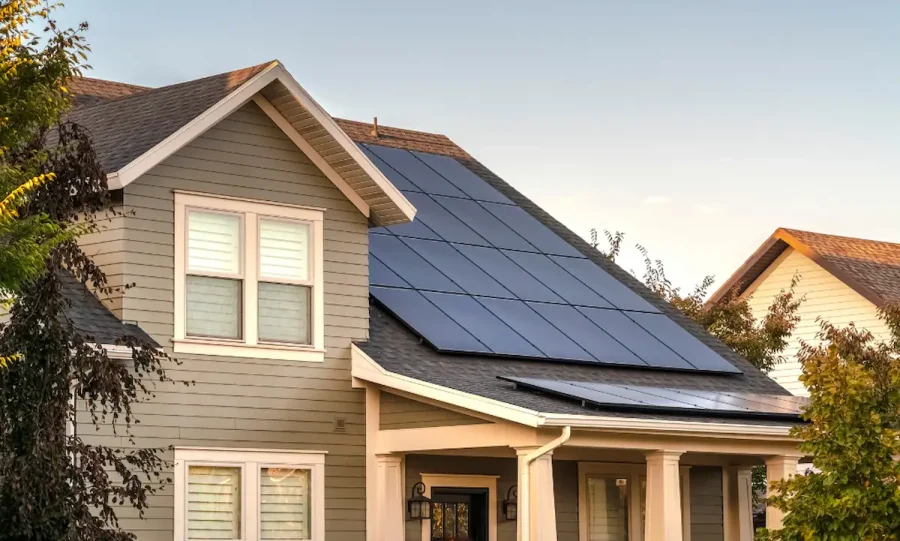
As solar energy gains popularity, several myths and misconceptions have emerged regarding the impact of solar panels on roofs. Addressing these common downsides and misunderstandings is essential for homeowners considering solar installation. This section will provide factual information, relevant examples, and statistics to clarify these issues.
Common Downsides of Solar Panels on Roofs
1. Roof Damage Concerns
A prevalent concern is that solar panels can damage roofs. While improper installation can lead to leaks or structural issues, a well-executed installation by qualified professionals minimizes these risks. According to a study by the National Renewable Energy Laboratory (NREL), properly installed solar panels do not significantly increase the risk of roof damage.
2. Weight and Structural Integrity
Another common misconception is that solar panels are too heavy for roofs, leading to potential collapse. While solar panels do add weight, most modern roofs are designed to support additional loads. A structural assessment before installation can determine if your roof can safely accommodate solar panels. For example, a typical solar panel weighs around 40 pounds, which is manageable for most roofs.
3. Aesthetic Concerns
Some homeowners worry that solar panels will detract from their home’s appearance. While this can be subjective, many manufacturers now offer sleek, low-profile designs that blend more seamlessly with roofing materials. Additionally, the increasing popularity of solar panels has led to a shift in public perception, with many viewing them as a positive feature that enhances a home’s value.
Myths About Solar Panels and Roofs
1. Solar Panels Are Only for New Roofs
A common myth is that only new roofs can support solar panels. In reality, older roofs can also accommodate solar installations, provided they are in good condition. Homeowners with older roofs should consult a roofing professional to assess their roof’s integrity before proceeding with solar installation.
2. Solar Panels Are Not Worth the Investment
Some believe that the cost of solar panels outweighs the benefits. However, the average return on investment (ROI) for solar installations can be substantial. According to the Solar Energy Industries Association (SEIA), homeowners can save an average of $20,000 over 20 years on energy costs. Additionally, many states offer incentives and tax credits that can significantly reduce upfront costs.
3. Solar Panels Require Extensive Maintenance
Another misconception is that solar panels require constant maintenance. In reality, solar panels are designed to be low-maintenance. Most systems only require periodic cleaning and inspections. A study by the Lawrence Berkeley National Laboratory found that solar panel systems typically have a lifespan of 25 years or more with minimal maintenance.
Statistics and Case Studies
To further illustrate the benefits and realities of solar panels, consider the following statistics and case studies:
- A report from the U.S. Department of Energy indicates that solar energy capacity in the U.S. has increased by over 167% from 2016 to 2021, demonstrating growing confidence in solar technology.
- A case study in California showed that a homeowner who installed solar panels increased their home’s value by approximately $15,000, reflecting the positive market perception of solar energy.
- According to a survey by EnergySage, 90% of homeowners who installed solar panels reported satisfaction with their decision, citing energy savings and environmental benefits as key factors.
FAQ Section: Are Solar Panels Bad for Roofs?
1. Can solar panels cause leaks in my roof?
Improper installation can lead to leaks, but when installed correctly by qualified professionals, solar panels should not cause any leaks or damage to your roof.
2. Will installing solar panels void my roof warranty?
Some roofing warranties may be affected if solar panels are installed incorrectly. It is essential to check with your roofing manufacturer and ensure that qualified installers perform the installation.
3. Do solar panels add weight to my roof?
Yes, solar panels do add weight, but most roofs are designed to support additional loads. A structural assessment can help determine if your roof can accommodate solar panels safely.
4. Are solar panels difficult to maintain?
No, solar panels are generally low-maintenance. They typically require occasional cleaning and inspections to ensure optimal performance.
5. Do solar panels affect my home’s resale value?
Yes, studies have shown that homes with solar panels can sell for more than those without, as buyers often view solar energy as a valuable feature that reduces energy costs.