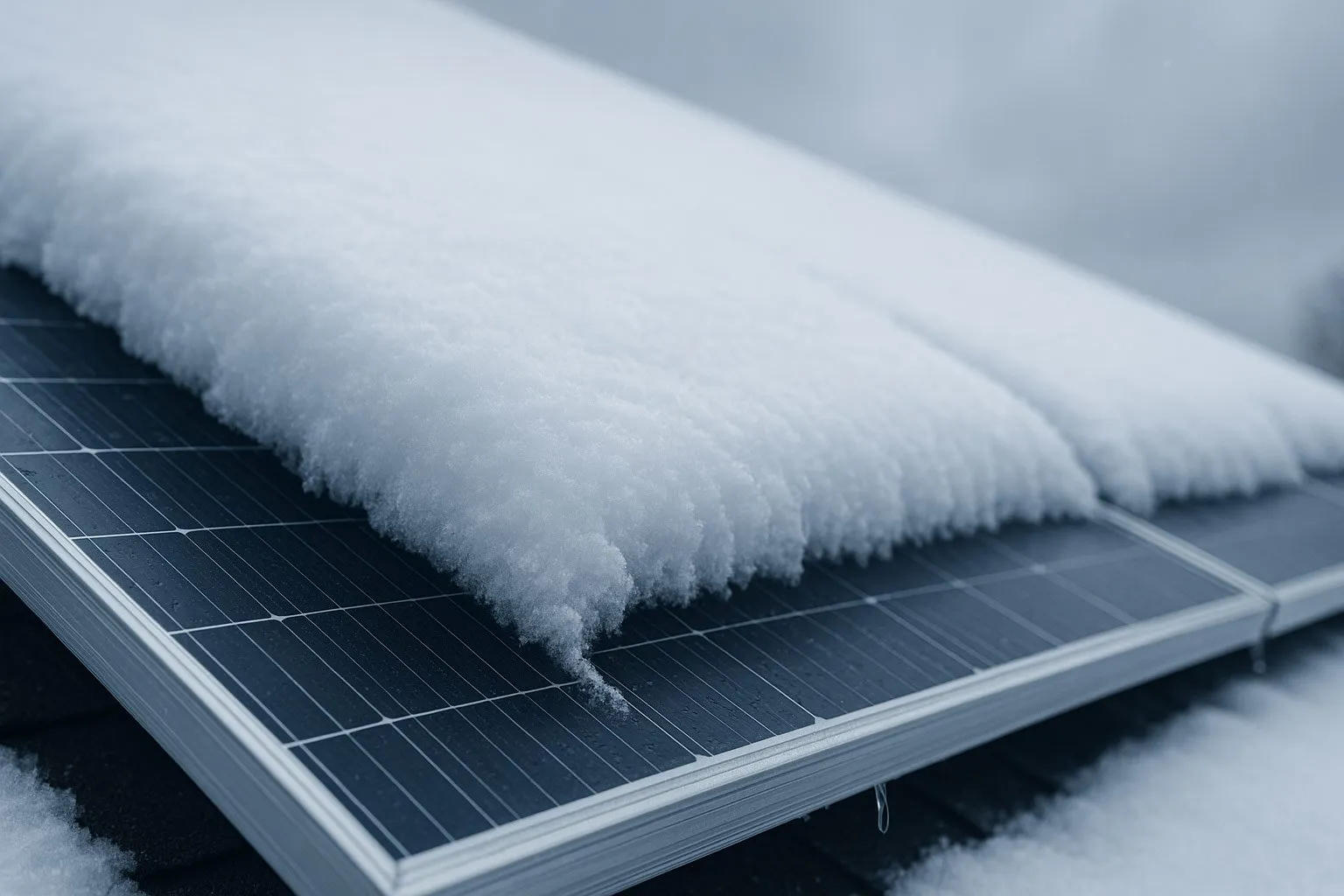
How to Remove Snow and Ice from Solar Panels
As solar energy becomes increasingly popular across the United States, many homeowners are investing in solar panels to reduce their energy bills and minimize their carbon footprint. However, during winter months, snow and ice accumulation can hinder the efficiency of solar panels, blocking sunlight and reducing energy production. Understanding how to effectively remove snow and ice from solar panels is crucial for maintaining their performance and ensuring a good return on investment.
This guide is relevant for homeowners with solar panel installations in regions that experience heavy snowfall or ice storms. It addresses the primary search intent of individuals looking for practical, safe, and effective methods to clear their solar panels of snow and ice.
Why It Matters
Removing snow and ice from solar panels is essential for several reasons:
- Maximizing Energy Production: Snow and ice can significantly reduce the amount of sunlight that reaches the solar cells, leading to decreased energy output.
- Preventing Damage: Accumulated snow and ice can create excessive weight on the panels, potentially leading to structural damage or even breakage.
- Maintaining Efficiency: Regular maintenance, including snow removal, helps ensure that the solar system operates at peak efficiency throughout the year.
Methods for Removing Snow and Ice
1. Manual Removal
One of the most straightforward methods for removing snow and ice from solar panels is manual removal. Here’s how to do it safely:
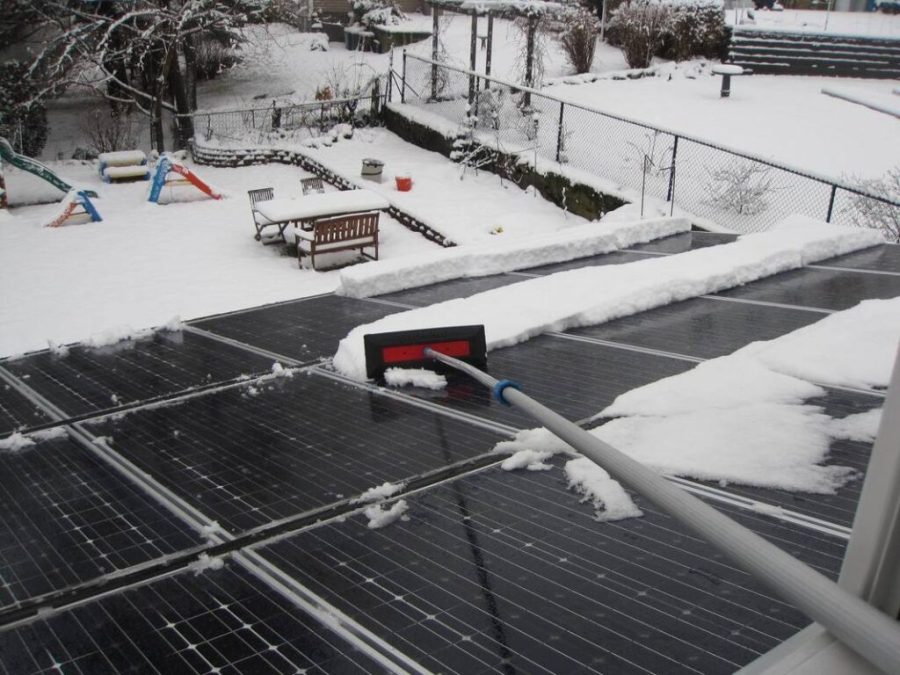
- Gather Your Tools: You will need a roof rake with a long handle, a soft-bristle broom, or a snow shovel with a plastic blade to avoid scratching the panels.
- Assess the Situation: Before climbing onto your roof, evaluate the amount of snow or ice on the panels. If it’s a light dusting, a broom may suffice. For heavier accumulations, a roof rake is more effective.
- Work from the Ground: If possible, try to remove snow while standing on the ground. Use a roof rake to pull snow down from the panels without climbing onto the roof.
- Be Gentle: Avoid using sharp or heavy tools that could scratch or damage the surface of the solar panels. Always use soft materials.
2. Using Heat
Another effective method for removing ice is to use heat. This can be done in several ways:
- Heat Cables: Installing heat cables along the edges of your solar panels can help melt snow and ice. These cables can be plugged in during winter months to prevent accumulation.
- Warm Water: Pouring warm (not boiling) water over the panels can help melt ice. However, be cautious with this method as rapid temperature changes can cause thermal shock and damage the panels.
3. Professional Services
If you’re uncomfortable removing snow and ice yourself, consider hiring a professional service. Many companies specialize in solar panel maintenance and can safely clear your panels without risking damage. When selecting a service, look for:
- Experience: Ensure the company has experience working with solar panels.
- Insurance: Verify that the service is insured to protect against potential damages.
- Reviews: Check customer reviews and ratings to gauge their reliability and effectiveness.
4. Safety Precautions
While removing snow and ice from solar panels, safety should be a top priority. Here are some crucial safety tips:
- Use Proper Equipment: Always use tools that are designed for the task to avoid accidents.
- Check Weather Conditions: Avoid working on your roof during icy or windy conditions.
- Have a Spotter: If you must climb onto the roof, have someone else present to assist in case of an emergency.
Understanding how to remove snow and ice from solar panels is essential for maintaining their efficiency and longevity. By employing safe and effective methods, homeowners can ensure their solar systems continue to perform well throughout the winter months.
Understanding How to Remove Snow and Ice from Solar Panels
Removing snow and ice from solar panels is a crucial task for homeowners, especially in regions with heavy winter weather. This process ensures that your solar panels remain efficient and continue to generate energy. Below is a beginner-friendly explanation of how to effectively remove snow and ice from solar panels, along with common challenges and mistakes to avoid.
Step-by-Step Process for Removing Snow and Ice
Step 1: Assess the Situation
Before you begin, take a moment to evaluate the amount of snow or ice on your solar panels. This assessment will help you determine the best method for removal.
- If there’s only a light dusting of snow, a simple broom may suffice.
- If there’s heavy snow or ice, you may need a roof rake or heat methods.
Step 2: Gather Your Tools
Having the right tools is essential for effective snow and ice removal. Here’s a list of recommended tools:
| Tool | Purpose |
|---|---|
| Roof Rake | To pull snow off the panels from the ground |
| Soft-Bristle Broom | To gently sweep off light snow |
| Plastic Snow Shovel | To remove heavier snow without scratching |
| Heat Cables | To melt snow and ice from the edges |
Step 3: Choose Your Method
Depending on the amount of snow or ice, you can choose one of the following methods:
- Manual Removal: Use a roof rake or broom to gently remove snow. Always work from the ground if possible.
- Heat Application: If ice is present, consider using heat cables or pouring warm water over the panels. Ensure the water is not boiling to avoid thermal shock.
- Professional Help: If you’re unsure or uncomfortable, hiring a professional service can ensure safe and effective removal.
Common Challenges and Risks
While removing snow and ice from solar panels, you may encounter several challenges and risks:
Challenge 1: Safety Risks
Working on a roof can be dangerous. Here are some safety risks to consider:
- Slippery Surfaces: Snow and ice can make roofs slippery, increasing the risk of falls.
- Improper Equipment: Using the wrong tools can lead to accidents or damage to the panels.
Challenge 2: Damage to Solar Panels
Improper removal techniques can cause damage to your solar panels. Here are some common mistakes:
- Using Sharp Tools: Metal shovels or hard brooms can scratch the surface of the panels.
- Applying Too Much Force: Excessive force can break or dislodge panels.
Challenge 3: Weather Conditions
Weather can significantly impact your ability to safely remove snow and ice:
- Windy Conditions: High winds can make it difficult to maintain balance on a roof.
- Freezing Temperatures: Cold weather can make tools brittle and increase the risk of injury.
Key Terms Explained
Understanding some key terms related to solar panel maintenance can help you navigate the process more effectively:
| Term | Definition |
|---|---|
| Solar Panel Efficiency | The percentage of sunlight converted into usable electricity. Snow and ice can reduce this efficiency. |
| Thermal Shock | A rapid change in temperature that can cause materials to crack or break. Pouring boiling water on cold panels can induce thermal shock. |
| Roof Rake | A tool designed to remove snow from roofs safely from the ground. |
| Heat Cables | Electrical cables that generate heat to melt snow and ice on surfaces. |
Final Thoughts on Snow and Ice Removal
By following these steps and being aware of common challenges, homeowners can effectively remove snow and ice from their solar panels, ensuring optimal performance throughout the winter months. Understanding the tools, techniques, and risks involved will help you maintain your solar energy system efficiently.
Common Downsides, Myths, and Misconceptions About Removing Snow and Ice from Solar Panels
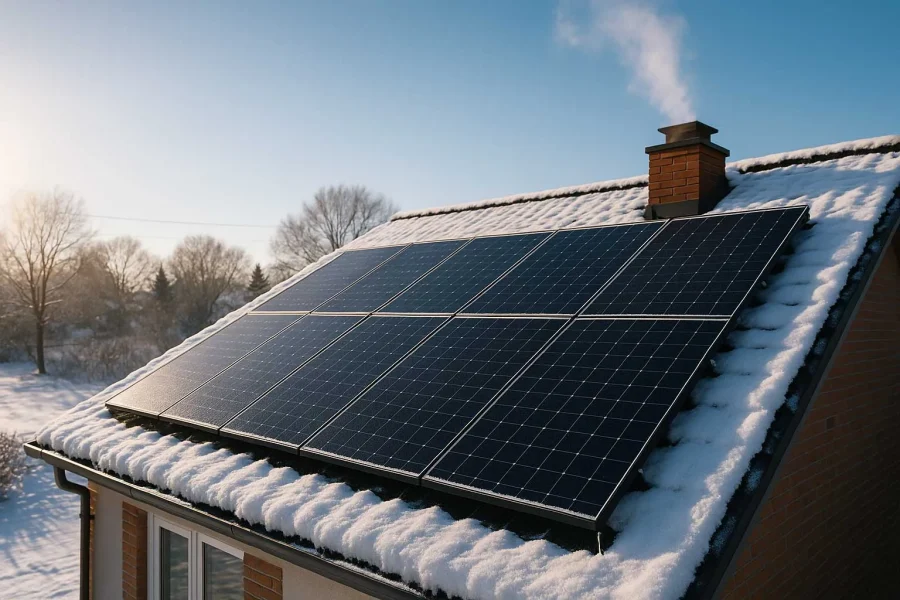
While solar energy systems are a fantastic investment, many homeowners harbor misconceptions about the maintenance required, particularly regarding snow and ice removal. Understanding these common downsides and myths can help you make informed decisions about your solar panels during winter months.
Common Downsides
1. Risk of Damage
One of the primary concerns when removing snow and ice from solar panels is the potential for damage. Many homeowners fear that using tools like shovels or rakes could scratch or break the panels. While it is true that improper tools can cause harm, using the right equipment—such as a soft-bristle broom or a roof rake—can mitigate this risk. A study by the National Renewable Energy Laboratory (NREL) found that using appropriate tools significantly reduces the likelihood of damaging solar panels during snow removal.
2. Inefficiency in Energy Production
Another downside is the temporary loss of energy production due to snow and ice cover. Solar panels can lose up to 90% of their efficiency when covered in snow. However, it’s important to note that solar panels can still generate some electricity even when partially covered. In fact, a study conducted in Minnesota showed that solar panels could produce 10-20% of their usual output even under snow cover, thanks to reflected light. Regular maintenance, including snow removal, can help maximize energy production during winter months.
Myths and Misconceptions
1. Solar Panels Are Self-Cleaning
Many people believe that solar panels are self-cleaning and that snow will simply slide off. While it’s true that solar panels are designed to shed some snow due to their smooth surface and angle, this is not always sufficient, especially during heavy snowfall. A case study in Vermont revealed that homeowners who did not remove snow from their panels experienced a 30% drop in energy production compared to those who actively maintained their systems.
2. Heat from Solar Panels Melts Snow
Another common myth is that solar panels generate enough heat to melt snow and ice. While solar panels do produce some heat when they generate electricity, it is often not enough to melt significant snow accumulations. A report from the Solar Energy Industries Association (SEIA) indicated that in regions with heavy snowfall, relying solely on the heat generated by solar panels can lead to substantial energy losses.
3. It’s Dangerous to Remove Snow
Some homeowners avoid removing snow from their solar panels due to safety concerns. While working on a roof does carry risks, following proper safety protocols can minimize these dangers. For example, using a roof rake from the ground or hiring a professional service can help ensure safety while effectively removing snow. According to the Occupational Safety and Health Administration (OSHA), falls are a leading cause of injury in home maintenance, but with the right precautions, these risks can be managed.
Frequently Asked Questions (FAQ)
1. Can I use a metal shovel to remove snow from my solar panels?
No, using a metal shovel is not recommended as it can scratch or damage the surface of the solar panels. Instead, opt for a plastic shovel or a soft-bristle broom.
2. Will snow on my solar panels affect my energy bill?
Yes, snow can significantly reduce the energy production of your solar panels, which may lead to higher energy bills. Regular snow removal can help maintain energy efficiency.
3. Is it safe to climb on my roof to remove snow?
Climbing on your roof can be dangerous, especially in icy conditions. If you choose to do so, ensure you have proper safety equipment and consider having someone assist you. Alternatively, consider hiring a professional service.
4. How often should I remove snow from my solar panels?
It is advisable to remove snow as soon as possible after a snowfall, especially if it is heavy. Regular checks during winter months can help maintain optimal energy production.
5. Can I pour hot water on my solar panels to melt ice?
While pouring warm water can help melt ice, avoid using boiling water, as rapid temperature changes can cause thermal shock and damage the panels. Use warm water instead and apply it gently.